
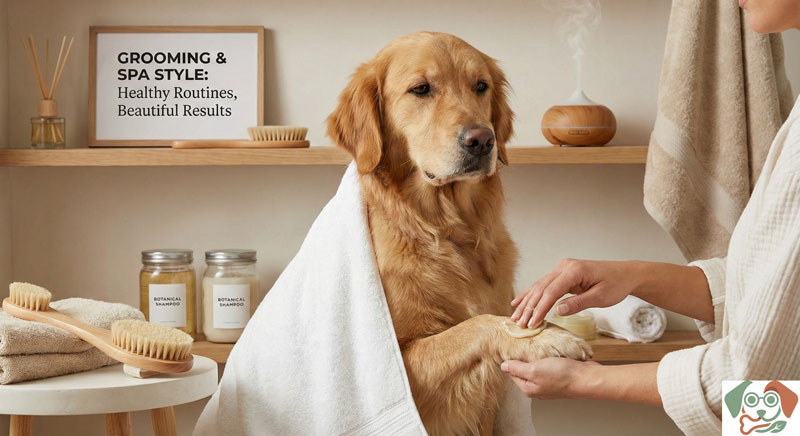
Paw pad rescue: Prevent ear odor before booties and long walks
Meta description: Simple, humane paw pad care to prevent odor before booties and long walks. Practical steps for apartments and suburbs.
Quick Summary
- Check your dog’s paws daily after walks for moisture, debris, and cracks.
- Clean and dry paws thoroughly to prevent odor and infections.
- Use dog-safe balms to protect pads; trim fur between pads to reduce dirt.
- Introduce booties slowly with positive reinforcement; practice indoors first.
- Create a simple paw care routine that fits your home, whether you’re in an apartment or a suburban house.
- If odor persists, or you notice redness, swelling, or discharge, talk to your vet.
Why This Matters for Your Dog
Healthy paw pads keep your dog comfortable, mobile, and happy on every adventure. Odor from paws can signal moisture buildup, bacteria, or yeast, especially after long walks or in humid conditions. Left untreated, this can lead to irritation or infections. A calm, weekly paw care routine helps prevent odors and keeps trips to parks, dog beaches, or crate training sessions enjoyable for you both. The goal is gentle care, not punishment—so your pup looks forward to booties and longer outings.
Key Factors (Common Causes)
- Moisture that stays between pads after walking in rain, snow, or damp grass.
- Dirt, burrs, or small stones wedged between toes.
- Dry, cracked pads from hot sidewalks or cold, windy days.
- Hair between paw pads that traps moisture and debris.
- Yeast or bacterial growth from persistent dampness or allergies.
- Infrequent cleaning or skipping routine maintenance after outings.
Understanding these factors helps you spot trouble early and set up easy routines, so odors don’t become a nightly issue.
Step-by-Step What To Do
1) Inspect every day
– After the last walk or before bed, look at each paw. Check between toes and under the pads for cuts, splinters, or foreign objects.
– Notice any shiny moisture, redness, or a strong smell. A mild scent can be normal after activity, but a persistent odor deserves attention.
2) Clean and dry thoroughly
– Rinse or wipe paws with a damp cloth or dog-safe wipe. Then dry completely with a towel.
– If you notice moisture staying between pads, towel-blot more and let air-dry for a few minutes.
– In apartments, keep a small basket or mat by the door for easy post-walk cleanups.
3) Soothe and protect
– Apply a dog-safe paw balm or moisturizer to prevent cracking. Look for simple ingredients like shea butter or coconut oil designed for dogs.
– If you see dry, flaky pads, a balm can help seal moisture. Don’t use human lotions; they can irritate dogs’ skin.
4) Manage fur and nails
– Trim hair that grows between pads so dirt doesn’t cling and moisture evaporates more easily.
– Keep nails at a comfortable length to reduce stress on the paws during walks.
5) Dry and moisture-control routine
– If you have damp or rainy days, consider a quick wipe-down after every outing and a longer drying break indoors.
– In humid climates, you can use a clean, soft sock or shoe cover indoors for short periods on very wet days (only if your dog tolerates it and movements stay safe).
6) Booties: that next step
– Start indoors in a carpeted area to help your dog get used to the feel. Reward with treats and gentle praise.
– Choose booties that fit well: snug, not tight; ensure the opening isn’t rubbing skin.
– Gradually increase wear time on short walks near home. If your dog shows signs of anxiety or discomfort, slow the progression.
– On hot pavement or icy sidewalks, booties protect pads from burns and cracks. Pair booties with a paw-friendly routine to help your dog enjoy longer outings.
7) Build a simple weekly routine
– Monday: quick paw inspection and wipe-down after a morning walk; balm if needed.
– Wednesday: trim any overgrown nails or fuzz; mid-week check for redness or odor.
– Friday: short walk with booties training indoors then outdoors if the dog is acclimated.
– Weekend: longer yard or park walk, followed by a thorough paw cleaning and drying.
8) Everyday home examples
– Apartment living: Use a small boot rack by the entry, a washable mat for paw cleaning, and short, supervised walks. Treats and praise make bootie practice positive.
– Suburban yard life: You may have more room for feet-wide outdoor sniffing and longer trails. Keep a dedicated paw kit in the car for after-walk cleanup: wipes, balm, a towel, and spare booties.
9) Vet-safe note and planning
– If you notice persistent odor, swelling, crusting, or signs of pain, schedule a vet visit. A vet can check for infections, allergies, or other skin conditions.
– This article supports general paw care. It does not replace veterinary advice or medications.
Safety reminder: If you suspect a medical issue, contact your veterinarian. Do not diagnose or use human medicines. If your dog has severe pain, limping, or a fever, seek urgent care.
Mistakes to Avoid
- Over-washing paws with soap or human products; it can dry skin and disrupt natural oils.
- Using harsh chemicals or essential oils not intended for dogs.
- Not drying between pads, which invites moisture buildup and odor.
- Pulling or tugging when introducing booties; force often leads to fear.
- Skipping regular trims; long fur can trap moisture and debris.
- Assuming odor always means infection; some odor is normal after exercise, but persistent changes warrant attention.
When to Call a Vet or Certified Professional
- Odor persists beyond a week, even after cleaning and moisturizing.
- Redness, swelling, crusting, or discharge appears.
- Your dog licks or chews paws constantly, or you notice limping or reluctance to walk.
- You see blisters, open wounds, or signs of allergic reactions.
- If you have any concerns about bootie fit or toe/ankle irritation, a professional can guide you.
Non-alarming vet disclaimer: This article provides general paw care tips. If you notice worrying signs, consult your veterinarian for a checkup and guidance.
FAQs
-
Q: How often should I clean my dog’s paws?
A: Clean paws after outdoor activities and at least a few times a week as part of a routine. Adjust frequency to your climate and activities. -
Q: Can I use baby wipes on my dog’s paws?
A: Choose wipes labeled safe for dogs. Look for formulas without added fragrances or alcohol that can irritate skin. -
Q: Do booties really help with odor prevention?
A: Booties help reduce moisture and debris exposure on rough surfaces. They’re especially helpful on hot sidewalks or cold, icy days. Use a gradual introduction and positive reinforcement. -
Q: What if I don’t see an odor but my dog licks paws a lot?
A: Excess licking can indicate irritation or allergies. Schedule a vet visit to assess skin, paws, or environmental factors. -
Q: Which paw balms are best for dogs?
A: Look for dog-safe balms with simple ingredients. Avoid products with fragrances or fragrances that may irritate. If you’re unsure, ask your vet for recommendations. -
Q: How do I choose the right booties?
A: Find booties that fit snugly, stay on during walks, and have a soft, non-slip sole. Consider adjustable straps and a flexible design for comfort. -
Q: My dog hates wearing booties. Any tips?
A: Start indoors in a non-threatening area, use high-value treats, and keep sessions short. Build up gradually to longer walks as your dog becomes comfortable. -
Q: When should I worry about a paw injury during walks?
A: If you see swelling, extreme tenderness, bleeding, or your dog avoids weight on a paw, stop walking and seek veterinary advice. -
Q: Can long nails cause odor?
A: Long nails can alter gait and place more pressure on paw pads, potentially leading to irritation and odor. Regular nail care helps. -
Q: Are there seasonal paw care tips?
A: Yes. In hot weather, avoid scorching sidewalks; in winter, protect pads from salt and de-icing chemicals with paw wax or booties.
If you’d like, I can tailor a simple 4-week paw care plan for your apartment or suburban lifestyle, including product suggestions and a printable checklist to keep by the door. Your dog’s paws deserve consistent care, and a gentle routine makes booties and longer walks a joy rather than a challenge.