
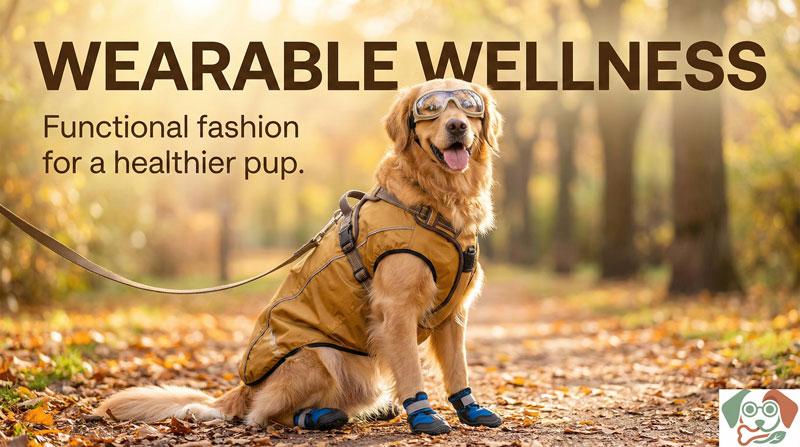
Snowsuit Safety: Keep Warm and Reduce Yeast-Prone Ears on Fall Walks
Meta Description: Keep your dog warm on fall walks with snowsuit safety tips to reduce yeast-prone ears.
Quick Summary
- Snowsuits can help your dog stay warm during cool fall walks, especially for small or short-haired breeds.
- Dry ears and paws after walks to reduce moisture that invites yeast growth.
- Fit and introduce the snowsuit gradually; use reward-based training to make it a positive experience.
- Tailor routines to your home—apartment living versus a suburban yard—with simple care steps and safety checks.
- If you notice persistent ear irritation, redness, or odor, call your vet for guidance.
Why This Matters for Your Dog
Fall walks mean cooler air, damp leaves, and more moisture near your dog’s ears. Yeast-prone ears are common when ears stay warm and moist. A well-fitted snowsuit keeps your pup comfortable, encourages longer walks in chilly weather, and reduces shivering for dogs that feel the cold more than others. Good ear care reduces the risk of infections and helps your canine companion stay active, happy, and healthy during the season.
Common Causes (Key Factors)
- Moisture trapped in the ear canal after rain, puddles, or damp grass.
- Warm, dark ear environments that yeast love, especially in dogs with floppy ears or hair inside the ear.
- Low body temperature in small or short-coated dogs who feel the cold more quickly.
- Overheating or restricted movement from a poorly fitted snowsuit, causing stress or rubbing.
- Inconsistent ear drying after walks, leading to lingering moisture.
Step-by-Step What To Do
1) Pick the right snowsuit
– Look for a snug but flexible fit that covers the chest and back, with leg openings that don’t slip.
– Choose water-resistant or weatherproof fabric that breathes, so your dog doesn’t overheat.
– Add reflective trim or patches for low-light fall days and early evening walks.
– For apartment living, a lighter layer might be enough; in suburban areas with wind and rain, consider a thicker layer with a hood that stays out of the eyes.
2) Check the size and fit
– Measure neck, chest girth, and length from neck to base of tail.
– Ensure the suit allows natural movement: sit, stand, and walk without restriction.
– Watch for rubbing at the armpits, behind the front legs, or along the belly; adjust or size up if needed.
3) Introduce it gradually
– Start indoors for 5–10 minutes, rewarding calm behavior with treats and praise.
– Increase the time in short sessions over a few days, always ending on a positive note.
– Practice taking a few steps while wearing the suit before a full walk.
4) Prep before a walk
– Brush coat and wipe paws to remove excess moisture and debris.
– Dry ears gently with a clean towel. If your dog has floppy ears, gently blot the outer ear and inner ear opening to reduce dampness.
– Do a quick check for any skin irritation or hotspots that might need care.
5) On the walk
– Use a comfortable harness rather than a tight collar to reduce neck strain and keep the front of the chest open for breathing.
– If the weather turns rainy or windy, take shorter but more frequent walks to keep ears dry and prevent chilling.
– Bring a small towel in your pocket or backpack to pat ears dry if they get wet.
6) Post-walk care
– Dry your dog thoroughly, paying extra attention to ears and paw pads.
– Inspect ears for moisture, redness, or discharge. If you spot anything unusual, schedule a quick check with your vet.
– Store the snowsuit in a dry place between uses and wash regularly per the care label.
7) Apartment vs. suburban routines
– Apartment: plan short, frequent outings and use a snowsuit to extend outdoor time when temps dip. Use a crate or a cozy bed to create a safe, calm space after walks.
– Suburban: longer walks in a park or yard can help your dog expend energy. Check the suit for leaves or twigs snagging on fabric before use.
8) Vet and training integration
– Schedule a routine veterinary check to confirm ears look healthy and no infection is present.
– Use reward-based training to create a positive association with wearing the snowsuit. Treats, praise, and a calm voice help your dog learn without fear.
Mistakes to Avoid
- Choosing a size that’s too tight or too loose; improper fit causes rubbing and reduces warmth.
- Forcing your dog to wear the suit without gradual exposure or rewards.
- Skipping ear drying after wet walks; moisture invites yeast growth.
- Assuming all dogs enjoy wearing clothes; some may need longer acclimation and gentler steps.
- Leaving the suit on unsupervised indoors; dogs may chew or chew through seams.
- Using a non-breathable material that traps heat and irritates skin.
- Neglecting routine ear checks, especially after walks in damp weather.
When to Call a Vet or Certified Professional
- Your dog shows persistent ear redness, swelling, odor, discharge, or seems in pain.
- There is frequent head shaking, rubbing ears on furniture, or pawing at the ears.
- You notice skin redness, sores, or flaking near the ears or head.
- The snowsuit seems to cause overheating, coughing, or extreme panting.
- You’re unsure about the best snowsuit size or if your dog has a medical condition that affects temperature regulation.
Note: This information is not medical advice. If you have concerns about your dog’s health, please contact your veterinarian or a licensed veterinary professional for guidance.
FAQs
-
Can all dogs wear a snowsuit?
Most dogs can wear a snowsuit, but fit and comfort vary. Start with a breathable, lightweight option and adjust based on your dog’s response. -
How do I dry ears after walks?
Use a clean towel to pat around the ear opening. If needed, use a dry cloth to gently blot the outer ear. Avoid inserting objects into the ear canal. -
What if my dog hates wearing clothes?
Begin with short, positive sessions indoors, paired with treats. Progress gradually to longer periods and outdoors as your dog grows more comfortable. -
How can I prevent yeast-prone ears naturally?
Keep ears dry after walks, wipe away moisture, and avoid sharing towels between dogs. Regular ear checks and timely vet guidance help prevent issues from escalating. -
What material is best for a snowsuit?
Look for water-resistant outer fabric with a soft inner lining. Breathability matters to prevent overheating, especially for dogs who are active after a light covering. -
How often should I wash a snowsuit?
Wash after heavy outdoor use or when it becomes visibly dirty or damp. Follow the manufacturer’s care instructions to maintain fabric quality and moisture resistance. -
Is there a risk with subzero temps?
For extremely cold days, consider sun-safe breaks indoors and limit time outdoors. Always monitor your dog for signs of cold discomfort and adjust gear accordingly. -
Should I use a harness with a snowsuit?
Yes. A harness reduces strain on the neck and helps secure the snowsuit more evenly, so your dog stays comfortable during walks.
If you’re just starting out, give yourself two weeks to build a calm, positive routine around snowsuit wear. Small, steady steps—in your apartment or your suburban neighborhood—create big safety and comfort gains for your dog. With thoughtful fit, gentle acclimation, and a simple ear-care routine, fall walks can stay enjoyable, safe, and warm for your furry friend.