
Is Your Booties Causing Anxiety: Quick Signs and Easy Fixes
Meta description: Spot signs of bootie-related anxiety in dogs and follow simple, humane fixes for apartment or suburban homes.
Quick Summary
- Some dogs dislike wearing booties, which can trigger anxiety, hesitation, or clinginess.
- Start with a calm, gradual introduction and mix in rewards and short practice sessions.
- Tailor steps to your home: apartment hallways, suburban yards, crate training, and dog parks.
- If anxiety persists or you notice pain or a change in health, check with a vet or certified trainer.
Why This Matters for Your Dog
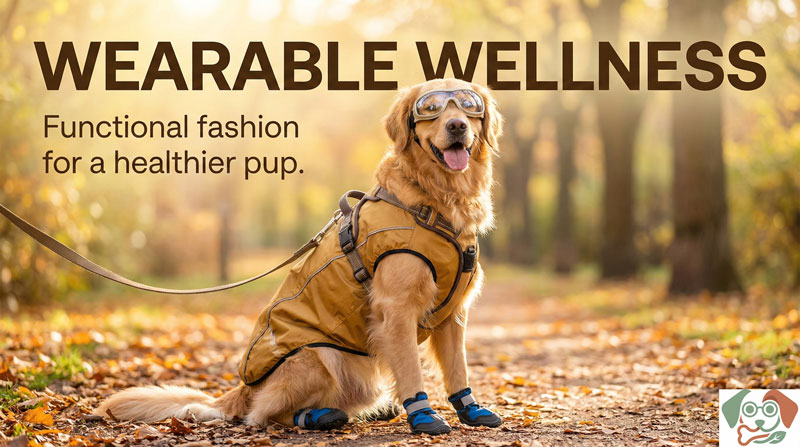
Booties protect paws from hot pavement, cold weather, salted sidewalks, and rough terrain. They can also improve traction on slick floors or during outdoor adventures. But if a dog feels confined or unsure, booties can become a stress cue. When a dog isn’t comfortable, it may show signs of anxiety that affect daily life—refusing walks, shrinking away from doors, or staying close to you during routines. The goal is to keep your dog safe and comfortable, without shaming them for the wearers.
Common Causes (Key Factors)
- Poor fit or design: Too tight, too loose, or stiff materials can rub skin or restrict movement.
- Sudden use: Forcing booties on during a busy moment (e.g., leaving for work, rushing to a park) raises stress.
- New sensory input: The feel, sound, and weight of booties can be unfamiliar.
- Inadequate gradual exposure: Jumping from unbooted to fully booted without practice.
- Pain or injury: If a dog has sore paws, booties may amplify discomfort.
- Wrong environment: Hardwood floors or loud hallways can amplify anxiety in some dogs.
- Association: Boots become a cue for something dogs dislike (e.g., a vet visit or bath).
Step-by-Step What To Do
1) Notice signs early
– Watch for tail tucked, ears back, lip licking, avoiding the walk, pacing, or tense body when you bring out booties.
– For apartment living, you might see a dog freeze near the doorway or retreat to a quiet corner during footwear prep.
– In a suburban yard, your dog may circle the booties and resist stepping outside.
2) Check fit and comfort
– Measure paw width and length, and choose boots with adjustable straps, soft interiors, and flexible soles.
– Ensure toes have room to wiggle and no rubbing points. Try boots on during calm times without moving, just to assess comfort.
3) Introduce gradually with rewards
– Start indoors on a non-slip rug or carpet. Put the booties on for 15–30 seconds, then remove and praise with treats.
– Repeat daily in short boosts, pairing booties with a favorite treat, a tasty lick bowl, or a game of fetch in a safe space.
4) Pair with calm routines and positive associations
– Use a predictable routine: after a short cue, place boots on, then go for a slow sniff walk around the living room, finish with a treat and a calm cuddle.
– For crate training, practice wearing booties during calm crate time for 5–10 minutes, then gradually increase.
5) Build up exposure in real-life contexts
– Apartment living: Practice hallway or lobby visits with booties on for 1–3 minutes, praise, and quick returns to home base.
– Suburban routine: Short outdoor strolls in clean, familiar areas before longer parks. Wear boots only on easy sections at first.
– Vet visits: If you plan a trip, introduce booties on calm days and bring the boots for the car ride to reduce surprise.
– Dog parks: Start with a quick, controlled walk in booties on neutral ground. Keep sessions brief and monitor body language.
– Crate training: While booties are on, reward calm behavior inside the crate with a chew toy and treats. Build endurance slowly.
6) Decide when to stop or adjust
– If signs of fear persist beyond two-to-four short sessions, pause bootie use and revisit fit, material, or alternative paw protection like lightweight socks or paw wax. Then resume gradually after several days or weeks.
7) Safety and care
– Check feet after outdoor wear for hotspots or irritation.
– Clean booties after use per the manufacturer’s instructions; air dry completely before next wear.
– Replace worn soles or frayed fabric to maintain fit and safety.
Note: This content focuses on humane, reward-based methods. It is not medical advice. If you notice ongoing or severe anxiety, or any new pain signs, consult a veterinarian.
Mistakes to Avoid
- Forcing booties on during a high-stress moment (like leaving the house in a rush).
- Skipping fit checks or choosing overly stiff or tight boots.
- Punishing your dog for fussing or removing booties.
- Pushing for long wear times before your dog is ready.
- Assuming booties solve all behavior issues; anxiety may have other causes.
When to Call a Vet or Certified Professional
- Your dog shows persistent anxiety that does not improve after gradual exposure and positive reinforcement.
- There is redness, swelling, sores, or limping after wearing booties.
- You notice changes in appetite, energy, or bathroom habits.
- You’d like a tailored plan for a dog with history of fear or trauma.
- A certified trainer or veterinary behaviorist can help design a gradual, humane program aligned with your home setup.
Vet disclaimer: This post is for general information and does not replace professional medical advice. If you have any health concerns, please contact your veterinarian.
FAQs
Q: My dog hates booties and tries to pull them off. What should I do?
– Start with very short sessions indoors on a soft surface. Use easy-to-clean booties and high-value treats. Reward calm behavior and stop before your dog shows stress. Gradually extend time as comfort grows.
Q: Do booties cause anxiety, or do some dogs just dislike wearing anything on their paws?
– Some dogs are sensitive to new sensations on their paws. With patience, gradual exposure and rewards, many dogs learn to tolerate or even enjoy booties. If anxiety remains high, try a different style or skip boots for now.
Q: How long should my dog wear booties during a walk?
– Begin with 1–2 minutes and gradually increase by a few minutes at a time only if your dog remains calm. Stop if stress signs appear.
Q: Are there days when booties are not necessary?
– Yes. If the ground feels comfortable for your dog, or if wearing booties causes noticeable distress, consider not using them and rely on paw care like paw balms or seasonal protection.
Q: How do I clean and care for dog booties?
– Remove debris after wear, clean per the manufacturer’s instructions, and air-dry completely. Inspect straps and seams regularly for wear.
Q: Are there alternatives to booties?
– Lightweight paw socks, paw balms, or simply cold-weather paw protection can be good alternatives. If your dog dislikes boots entirely, consider consulting a trainer for other safety options.
If you’re a busy American pet parent balancing apartment living, family routines, and weekend park trips, you’re not alone. With a gentle, steady approach—centered on comfort, patience, and positive rewards—you can help your dog feel secure in boots or choose the best paw protection for your home.