
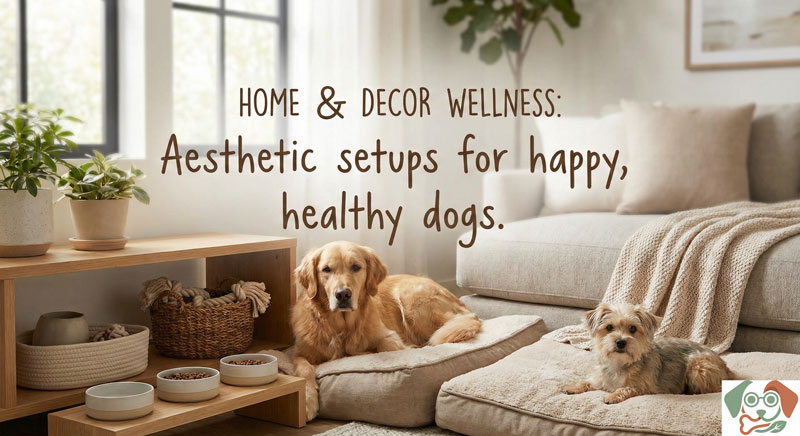
Minimalist Toy Rotation: Reduce Overexcitement Stress and Keep Your Living Room Chic
Meta description: Simple, humane toy rotation to cut dog overexcitement and keep your space stylish—practical tips for apartment and suburban homes.
Quick Summary
- Use a small, rotating set of toys to cut down on chaos and overexcitement.
- Create a chic “toy library” that stores extras out of sight.
- Pair rotation with calm routines, crate training, and puzzle toys.
- Tailor your plan for apartment living or a suburban home.
- Stay humane and reward-based in all training steps.
Why This Matters for Your Dog
Dogs often get excited when they see a lot of toys or when novelty is constant. Too much stimulation can lead to wild energy, loose leash pulling, or barking. A minimalist rotation keeps play fresh but calm. It helps your dog focus on the task, enjoy longer-lasting interest, and reduces stress in busy homes. For you, a simplified system means less clutter, easier cleaning, and a home that still looks put-together.
Key Factors
- Toy clutter can spike noise and energy levels. Fewer options with clear purpose keep attention higher and frustration lower.
- Rotation creates anticipation without overwhelming your dog. It mirrors natural learning—short, repeatable sessions with a new twist.
- Different settings matter. An apartment may require more compact toys and more frequent, shorter play windows. A suburban home can host a broader mix and longer crate times.
- Reward-based training, calm greetings, and crate time build a balanced routine around play.
- Health and safety come first. Inspect toys regularly. Remove worn or broken items. Always supervise new toys.
Step-by-Step What To Do
1) Take stock and categorize your dogs’ toys
– Make a quick list: plush, chew, puzzle, fetch, interactive, and treat-dispensing toys.
– Separate into “core” (to stay out) and “rotation” (to store for later). Start with 3–5 core toys that your dog already loves and 6–8 rotation toys.
2) Set up a simple toy library
– Use a stylish basket or bin in the living room that fits your decor. Keep everyday toys in easy reach, and store extras in a labeled bin in a closet or another room.
– For apartments, choose compact, quiet toys (teether rings, soft puzzle toys, hollow chew sticks). For suburban homes with more space, you can keep a few larger items safely out of the way.
3) Build a rotation schedule
– Decide how often you’ll swap toys. A practical start is weekly swaps, with midweek mini-changes if your dog loves variety.
– Keep a small log: date of rotation, which toys are out, which are stored. This helps you adjust based on what your dog enjoys.
4) Pair rotation with structured routines
– Morning: calm walk, then a short play session with one of the core toys.
– Midday quiet time: puzzle or treat-dispensing toy to occupy without overstimulating.
– Evening: a brief play session after dinner, followed by crate time for resting.
– Use crate training to create safe, calm spaces during busy times (crates should feel like a cozy den, not punishment).
5) Choose the right kinds of toys for minimalism
– Puzzle toys and treat-dispensing toys encourage problem-solving and slow feeding, which reduces frantic chewing.
– Durable chew toys reduce frustration and support dental health.
– Plush toys can be good for comfort, but rotate them to maintain interest and inspect for wear.
– Avoid noisy or highly distracting items unless your dog enjoys them in controlled settings.
6) Create calm before and after play
– Short 2–5 minute ramp-ups immediately before a play session help transition from rest to activity.
– End play with a calm cooldown: gentle petting, hollow chew, or a lick mat while you prepare dinner or wind down.
7) Plan for dog parks and trips
– If you take toys to a park, use a single, simple option to reduce chaos. Keep a leash handy, and supervise closely.
– Bring a safe option for your dog to settle down if it becomes overwhelmed.
8) Use the home environment to your advantage
– Keep living spaces clear of excess toys. This helps you maintain a chic, calm look.
– Choose a few stylish storage options that blend with your decor (baskets in natural colors, neutral bins).
9) Special considerations for puppies and seniors
– Puppies benefit from short, frequent play with small, safe toys and frequent rotation to avoid boredom.
– Senior dogs may prefer softer toys and slower-paced puzzle activities. Respect energy limits and adjust rotation frequency accordingly.
10) Veterinarian or trainer check-ins
– If you notice persistent anxiety, discomfort, or unusual behavior, consult your vet or a certified trainer for guidance. This plan supports well-being, but professional advice is important if things feel off.
Mistakes to Avoid
- Rotating too slowly or not rotating at all, which makes toys feel stale.
- Leaving too many toys out at once, creating clutter and overstimulation.
- Using toys that are not safe for your dog’s size or chewing style.
- Ignoring toy cleanliness, which can cause infections or allergies.
- Relying on punishment or scolding when play becomes too excited.
When to Call a Vet or Certified Professional
- If you notice persistent signs of stress, anxiety, or fear that don’t improve with rotation and routine.
- If there are sudden changes in appetite, energy, or sleep patterns.
- If your dog shows signs of chronic pain, GI upset during play, or compulsive behaviors.
- A vet or trainer can tailor a plan to your dog’s age, health, and behavior.
Vet disclaimer: This article provides general information only. For health concerns or persistent anxiety, consult your veterinarian for guidance. Training should be humane and reward-based; seek a certified trainer if you want specialized help.
FAQs
Q: How many toys should I keep out at once?
– Start with 3–5 core toys, plus 1–2 rotation toys. Keep the rest stored. Adjust as you learn what your dog loves.
Q: How often should I rotate toys?
– A practical cadence is weekly rotations, with quick midweek swaps if needed. Adjust based on your dog’s interest and energy.
Q: Are plush toys safe?
– Plush toys can be comforting, especially for calmer dogs, but inspect them often for tears or stuffing ingestion risk. Remove damaged toys promptly.
Q: What if my dog chews through toys quickly?
– Choose durable chew toys designed for strong chewers. Rotate to prevent overstimulation and boredom. Supervise initial play with any new chew.
Q: Does minimalist rotation work for puppies?
– Yes. Puppies benefit from short sessions and frequent changes in toys to keep interest high while avoiding teething frustration. Always supervise.
Q: How do I keep a chic living room with dog toys?
– Use a single, stylish storage bin out of sight when not in use, and pick toys that match your decor in color or texture. Rotate visible items to keep things fresh without clutter.
Q: Can this help with crate training?
– Yes. A calm, predictable crate routine complements rotation. Use a chew toy or puzzle at crate time to reinforce positive associations.
Q: Should I involve kids or other pets in the rotation?
– Involve family members in choosing safe toys and supervision during play. Ensure other pets don’t steal toys during rotations.
This minimalist toy rotation plan helps reduce overexcitement while keeping your home stylish and peaceful. By choosing a small set of high-value toys, organizing a simple rotation, and pairing play with calm routines and crate time, you create a practical, humane approach that fits busy American households—from cozy apartments to spacious suburban homes. If you stay consistent and observe your dog’s responses, you’ll likely see calmer play sessions, easier training moments, and a tidier living space you can enjoy with your furry family member.