
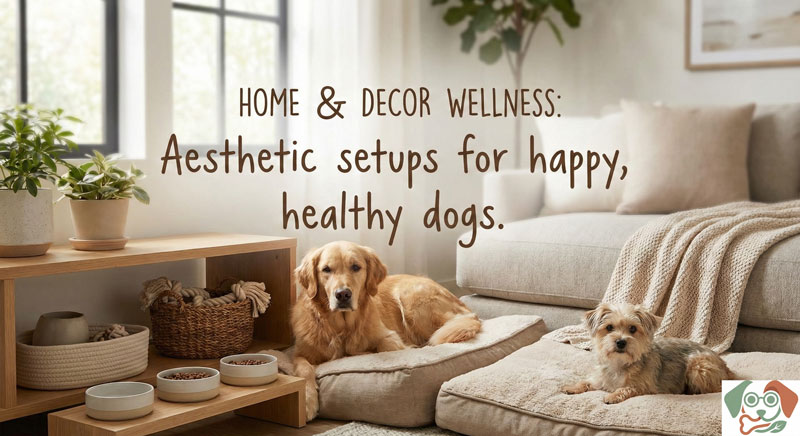
Minimalist Toy Rotation: Reduce Nausea, Stress, and Keep Your Living Room Chic
Meta description: Simple, humane toy rotation ideas to reduce dog stress and nausea and keep your living room chic.
Quick Summary
- Minimalist toy rotation uses fewer toys, but fresher play by rotating them weekly or every few days.
- This lowers stress and nausea by preventing overstimulation and overwhelming scent/dynamics.
- It also keeps living spaces tidy—great for apartments or suburban homes.
- You’ll keep routines simple: crate time, park trips, vet visits, and daily play.
Why This Matters for Your Dog
Dogs thrive on predictability and calm, especially in busy U.S. homes. If a dog has too many toys, they can become overstimulated, anxious, or bored, which may lead to nose-to-toy sniffing that triggers nausea or stress. A streamlined toy setup helps your dog focus, rest better, and enjoy play without clutter hijacking the living room. Rotating toys also makes old favorites feel fresh again, which can reduce destructive behavior and keep crate time or evening wind-down peaceful. This approach fits both apartment living and suburban homes, and it stays friendly to a busy schedule.
Key Factors (Common Causes of Nausea or Stress Related to Toy Overload)
- Too many toys competing for attention in a small space.
- Toys that are worn, frayed, or unsafe for chewing.
- Sudden changes in routine or environment (new furniture, guests, or too much noise).
- Lack of variety in types of toys (chew, puzzle, fetch) leading to boredom.
- Dental discomfort or GI upset (watch for persistent signs; consult a vet if worried).
- Motion or car sickness related to toy use during rides (avoid giving toys during travel if it upsets your dog).
Note: This article does not diagnose medical conditions. If you notice persistent vomiting, lethargy, pain, or a sudden change in appetite, please contact your veterinarian.
Step-by-Step What To Do
1) Take stock of what you have
– Gather all dog toys, remove obviously worn or unsafe items, and set aside ones your dog clearly loves.
– Separate into categories: chew, fetch, puzzle/slow-feeder, plush, and scent/interactive.
2) Pick a minimalist rotation plan
– Start with 4–6 toys total split into 2–3 rotation sets. For example, Set A (chews), Set B (puzzles), Set C (fetch/plush). Swap sets every 4–7 days or after a specific routine milestone (e.g., after a vet visit, or when you notice renewed interest in certain toys).
3) Create simple storage
– Use clearly labeled bins or baskets tucked in a closet, under a bed, or behind a couch. In small apartments, vertical shelves or over-door organizers work well. In suburban homes, a small bin in the entryway or mudroom helps you rotate without clutter.
4) Introduce rotation with positive cues
– Bring out a new set and offer a few treats or a short praise session to cue calm, rewarding gentle play. For puzzle toys, supervise initially and show your dog how to interact with it.
5) Align rotation with daily routines
– Morning: a quick sniff session in the kitchen, then fetch or puzzle toy near the window for enrichment while you prepare breakfast.
– Afternoon/Evening: a calm retrieval or chew toy during crate time or while you clean up dinner dishes.
– Crate or wind-down: reserve a favorite toy in the crate to build positive associations.
6) Maintain safety and cleanliness
– Check toys weekly for wear. Replace damaged items promptly.
– Clean washable toys per manufacturer guidelines. A quick wipe-down or gentle washing keeps scents fresh and reduces hygiene concerns.
7) Adapt for space and lifestyle
– Apartment living: keep a small number of toys that fit in one bin. Use vertical storage and rotate more often (every 3–4 days) to keep things fresh without clutter.
– Suburban/home with yard: you can store toys in a labeled bin in a garage or mudroom. Rotate after weekend family time or park trips when your dog returns home calmer.
8) Boost mental variety without clutter
– Mix in one or two new, low-cost toys per month rather than a large batch. Introduce them one at a time to gauge your dog’s interest.
– Use treat-dispensing or puzzle toys sparingly to prevent frustration if your dog needs help to solve them.
9) Monitor responses and adjust
– If your dog seems calmer with fewer toys, keep the rotation steady. If interest wanes, try swapping in a different type of toy or adjusting rotation frequency.
Mistakes to Avoid
- Overloading with too many toys at once. Keep it simple.
- Rotating too slowly (your dog loses novelty) or too quickly (frustration).
- Using toys that are unsafe or have small parts your dog can swallow.
- Ignoring your dog’s preferences; mix chew, puzzle, and interactive toys.
- Skipping cleaning; dirty toys can cause GI upset in sensitive dogs.
- Forcing new toys during high-stress times (avoid right after loud events or trips).
When to Call a Vet or Certified Professional
- Your dog shows vomiting, diarrhea, lethargy, or a poor appetite lasting more than 24–48 hours.
- Signs of abdominal pain, persistent coughing, or swelling.
- Sudden anxiety or destructive aggression that doesn’t improve with a gentler routine.
- If you’re unsure whether a toy is safe or if your dog has ongoing GI or dental concerns.
Vet disclaimer: This post provides general guidance for home routines. For health concerns or if symptoms persist, consult your veterinarian.
FAQs
-
How many toys should I keep at once?
Start with 4–6 total toys, split into 2–3 rotation sets. Adjust based on your dog’s interest and living space. -
How often should I rotate toys?
In apartments, every 3–4 days can keep interest high. In larger homes, every 5–7 days is fine. Tailor to your dog’s energy and curiosity. -
How do I know if my dog likes a toy?
Look for engaged behaviors: sniffing, mouth interest, nudging, and sustained play. If your dog ignores a toy after a few minutes, rotate it out. -
Are puzzle toys necessary?
Puzzle toys are great for mental enrichment and slowing down meals. Start with simple puzzles and supervise as needed. -
How do I introduce new toys during rotation?
Show the toy and offer a high-value reward for exploring it. Let your dog sniff, then encourage gentle play. Reward calm, focused interaction. -
What if my dog chews through toys quickly?
Choose durable, size-appropriate toys and inspect for wear every week. Rotate to keep safety a priority and replace worn items. -
Can I use treats with toys?
Yes. Use treats to encourage exploration and reward successful interaction with puzzle toys. Keep portions small and align with your dog’s dietary needs. -
How should I clean dog toys?
Wipe with a pet-safe cleaner or wash if the material is machine-washable. Allow toys to dry completely before the next use. -
Is rotation expensive?
Not necessarily. Start with a small curated set and rotate using what you have. You can refresh with affordable, durable items as you go. -
Can I rotate during trips or at dog parks?
Keep a small bag of a favorite toy or two for car rides or parks, but avoid bringing too many to keep the car and home calm.
If you’re a first-time toy rotation adopter, start small, be patient, and adjust to what your dog enjoys. A tidy, rotating system helps reduce nausea and stress and keeps your living space feeling calm and chic for you and your dog.