
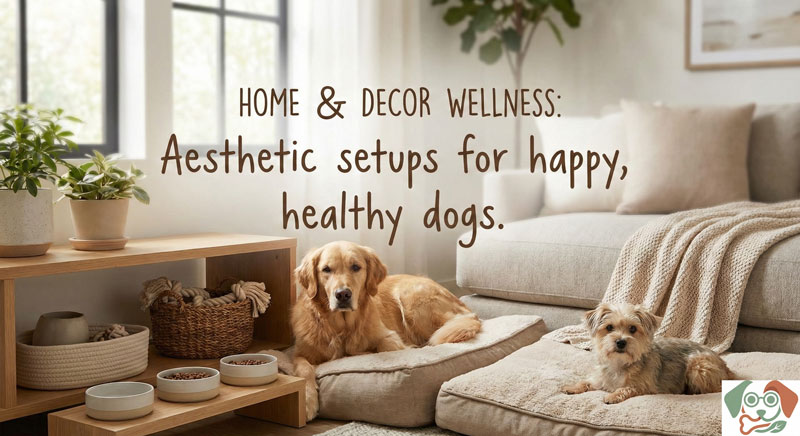
The Clean Chew Storage Guide: Reduce Hot Spots and Keep Smells Contained
Meta description: Simple, humane storage tips to reduce dog hot spots and odors. Apartment or suburban homes—practical steps for everyday pet parents.
Quick Summary
- Clean storage helps prevent hotspots and odor from dog chews.
- Choose airtight containers and designate a chew zone near feeding or crate areas.
- Rotate chews, clean regularly, and use odor absorbers safely.
- Keep routines humane: reward-based training and consistent crate or crate-free times.
- When in doubt, consult a vet if skin issues or persistent odors appear.
Why This Matters for Your Dog
A tidy chew system protects your dog’s skin and comfort. Leftover saliva and bacteria in soft chews can create hotspots if a dog lingers on a chew or shares a single messy container. Smells can drift through living spaces, especially in apartments. By storing chews cleanly and teaching calm chew habits, you support healthier skin, happier moods, and a calmer home for both you and your dog.
Common Causes (Key Factors)
- Moisture in the container or on chews breeds bacteria and yeast.
- Mixing different chews in one container creates uneven smells and mess.
- Chews left out in bowls or crates invite drool and residue that stink up a room.
- Warm rooms or poor airflow speed up odor development.
- Inconsistent cleaning or rotation means stale chews accumulate in one spot.
- Inadequate storage near food or living areas can attract pests or cause cross-contamination.
Step-by-Step What To Do
1) Inventory and assess
– List every chew type (bully sticks, bones, antlers, rawhide, Dental Chews).
– Note size, expected chewing time, and whether your dog tends to guard or stash chews.
– Check for any dog-specific allergies or sensitivities reported by your vet.
2) Designate a chew storage zone
– Apartment: use a single airtight bin in a cabinet or under the sink. A bin with a latch lid makes it easy to access without leaving mouths open to view.
– Suburban home: consider a small shelf in a pantry or a labeled container in a mudroom. Keep the zone away from food prep areas.
3) Pick the right container
– Choose a BPA-free, airtight container that’s easy to open with one hand.
– Use a second, smaller container for daily rotation if you like. Label it with the “chew of the day” to guide rotation.
4) Prep and sanitize
– Wash containers with warm soapy water. Rinse well and air-dry.
– Wipe the chew area in your crate or feeding zone with a mild, pet-safe wipe to cut fresh odors.
5) Create a rotation and routine
– Rotate chews so your dog isn’t always on the same scent, which helps reduce odor buildup.
– Make chew time part of daily routines: after meals or a mid-day break, while you tidy the room.
– If you crate-train, offer a chew only in the crate to minimize roaming smell in living areas.
6) Manage odors safely
– Place a small, open box of baking soda or a pet-safe odor absorber near the storage zone (not inside the chew container).
– Consider an activated charcoal odor absorber or a vented storage option if smells linger in your space.
– Do not mix cleaners with chews; use separate storage areas for cleaning supplies.
7) Clean up after chewing
– Wipe down the chew area after use.
– Empty and wash the chew container weekly, especially if you store soft chews or multiple items.
– Check chews for spoilage and discard any chews that show mold or an off smell.
8) Safety and crate-friendly habits
– Reward-based training helps your dog learn to chew calmly in a designated space.
– Use crate time or a quiet corner for chew sessions if your dog tends to pace or carry chews around.
– Ensure safe supervision, especially with large or edible chews that could be choking hazards.
9) Real-life home examples
– Apartment living: Use a compact, stackable airtight bin on a low shelf. Keep the bin away from the kitchen and dining area. Pair with a crate or mat where chew time is expected and calm.
– Suburban home: A labeled bin in the pantry plus a small shelf near the mudroom works well. You can rotate chews in a bowl that’s easy to reach, then reseal and store.
– Routines: Tie chew times to daily walks or play sessions so the dog associates storage with calm, predictable moments.
Mistakes to Avoid
- Storing chews in unsealed bags or containers that aren’t airtight.
- Mixing many chews in one bin, especially different flavors or textures.
- Placing chews where dogs can grab them during chaos or while you’re away.
- Letting odors accumulate in rooms by neglecting wipe-downs and cleaning.
- Using harsh cleaners near the storage area or causing exposure to food prep zones.
When to Call a Vet or Certified Professional
- If you notice persistent hotspots, redness, swelling, or oozing skin around chewing areas.
- If your dog develops a strong, persistent odor or excessive itching, licking, or rubbing near the mouth or paws.
- If you suspect allergies, yeast infections, or an underlying skin issue that doesn’t improve with basic care.
- If you’re unsure about which chews are safe for your dog’s age, size, or dental condition.
- Vet disclaimer: This guide provides general care tips. If you see signs of illness or injury, contact your veterinarian for advice. Do not adjust medications or dosages without professional guidance.
FAQs
- What type of container is best for chew storage?
Look for BPA-free, airtight bins with secure lids and smooth interiors for easy cleaning. A label or color-coding helps you stay organized. - Can I store chews in the fridge or freezer?
Some chews (especially soft or perishable items) benefit from cold storage. Check packaging guidelines and supervise to prevent overconsumption when retrieved. - How do I minimize smells without using harsh chemicals?
Use a small amount of baking soda in a separate, open compartment or box near the storage area. Activated charcoal odor absorbers can help, but ensure they’re pet-safe and placed away from chew containers. - How often should I clean the storage area?
Wipe down weekly and fully wash the containers monthly, or more often if you notice odor buildup. - My dog chews in the car. Any tips?
Create a dedicated chew bag or bin for car trips with easily resealable containers. Clean out crumbs after trips to prevent lingering odors.
If you follow these steps, your home can stay cleaner and calmer while your dog enjoys safe, satisfying chews. With a little planning, you’ll reduce hotspots and keep smells contained—supporting a healthier routine for your dog and a happier home for you.