
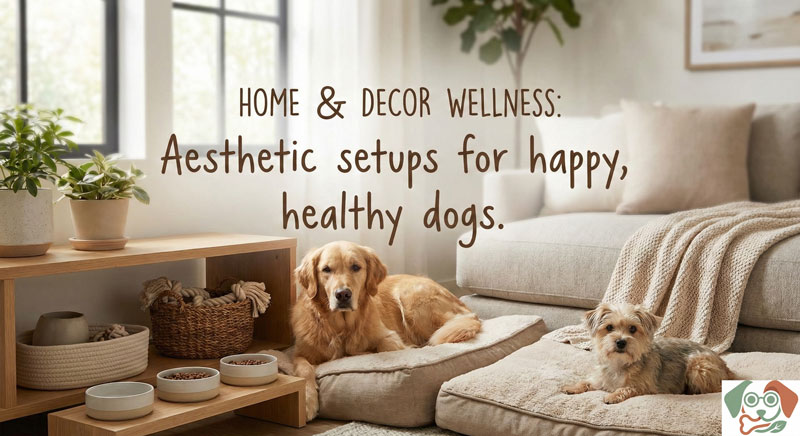
Meta description: Practical, dog-friendly steps to improve indoor air, curb allergies, and support healthy weight while keeping your space stylish.
Quick Summary
- Good air = happier, more active dogs.
- Cut allergens: clean smarter, purify air, control humidity.
- Support weight: steady meals, regular walks, safe play.
- Apartment life or suburban home? Easy tweaks for both.
- Training stays humane and reward-based.
Why This Matters for Your Dog
Dogs breathe in every room, every day. Poor indoor air can irritate noses, lungs, and skin, triggering allergy flare‑ups or asthma-like coughing. When a dog feels uncomfortable, they move less, which can contribute to weight gain. By improving air quality and pairing it with steady activity and smart feeding, you help your dog stay comfortable, trim down excess weight, and enjoy more playful moments at home and on walks.
Common Causes (Key Factors)
- Dust, dander, pollen, and mold spores in carpets, bedding, and furniture.
- VOCs and strong fragrances from cleaners, air fresheners, or sprays.
- Humidity swings that foster mold or dust mites.
- Clutter and fabric-heavy spaces that trap dust.
- Harsh grooming products or scented baths that irritate sensitive skin.
- Inactivity in a stuffy apartment or a car‑less workday.
- Seasonal changes that shift allergens indoors.
Step-by-Step What To Do
1) Improve air with safer, dog-friendly options
– Use a HEPA air purifier in the main living area and near your dog’s resting spot.Choose models with quiet operation and sealed filters.
– In apartments, crack a window on mild days (when outdoor air is safe) or run a portable purifier near the crate or bed.
– In suburbs, pair purifier use with a well-maintained HVAC filter (MERV 13 if your system allows) and check that ducts are clean.
2) Clean smarter, not harder
– Vacuum with a HEPA vacuum 2–3 times per week; focus on dog areas, under furniture, and stairs.
– Wash dog bedding weekly in hot water; add a rinse cycle to remove hair and dander.
– Wipe hard floors daily with a damp microfiber cloth to pick up fine dust.
3) Control humidity and moisture
– Aim for about 40–50% humidity. Use a humidifier in dry climates and a dehumidifier where dampness is high.
– Dry damp areas like basements and bathrooms promptly; mold is a red flag for allergies.
4) Grooming that helps indoors
– Brush your dog outside or in a designated area to reduce loose fur indoors.
– Bathe only as often as your vet recommends; many breeds do fine with monthly brushing and occasional baths.
– Wipe paws and fur after outdoor trips, especially in pollen seasons.
5) Safe, pet-friendly cleaning and décor
– Choose unscented, non-toxic cleaners. Look for “pet-safe” or “no harsh chemicals” labels.
– Go for washable rugs and easy-to-clean surfaces. Lightweight blinds or shades reduce dust buildup.
– Avoid candles and highly scented sprays around your dog.
6) Nourish and move for a healthier weight
– Feed measured portions twice per day and keep a visible feeder schedule.
– Use treat-based training sparingly; reward with praise or small, healthy treats.
– Build daily playtime: 20–30 minutes indoors for apartments; 45–60 minutes outdoors or in a yard for suburban homes.
– Schedule regular walks, adjusting pace to your dog’s needs and the air quality forecast.
7) Crate training and safer spaces
– Crate training provides a calm, clean space and helps limit exposure during deep cleaning times.
– Use a washable mat and keep the crate in a well-ventilated area away from direct drafts or fumes.
– Rotate toys to minimize dust buildup and keep the space inviting.
8) Vet visits and professional input
– Schedule routine checkups and discuss seasonal allergies, skin itch, or coughing patterns.
– Ask about dog-safe air-quality strategies, weight goals, and a plan if symptoms flare.
– A certified trainer or behaviorist can help with enrichment plans that keep dogs active indoors when outdoor time is limited.
9) Outdoor plans that consider air quality
– Choose dog-friendly parks with shaded trails when air quality is good; avoid walks during high pollen days or heavy traffic hours.
– Bring water, a hat, and a light coat if needed; remember ID tags and leash safety.
– Consider indoor enrichment options on days with poor air quality.
Mistakes to Avoid
- Relying on strong fragrances or aerosol sprays around your dog.
- Skipping regular cleaning or letting dust pile up.
- Over-washing the dog, which can dry skin or irritate sensitive dogs.
- Neglecting humidity control in damp or dry seasons.
- Ignoring early signs of allergy or weight gain; delay can worsen issues.
- Punishing dogs for sniffing or itching; focus on safer enrichment and vet guidance.
When to Call a Vet or Certified Professional
- Persistent coughing, wheezing, sneezing, skin redness, or hair loss.
- Recurrent ear infections or eye irritation.
- Sudden weight gain or loss, or a noticeable drop in activity.
- If you suspect environmental triggers and want a tailored plan for your dog’s needs.
- This information is not a substitute for professional care. Please consult your veterinarian for personalized advice.
FAQs
- Can air purifiers really help dogs with allergies?
Yes. A purifier with a true HEPA filter can reduce airborne allergens like dust and pollen, which may lessen irritation for many dogs. Pair it with regular cleaning and grooming. - Do dogs gain weight from indoor air quality?
Indoor factors affect activity levels and behavior; a comfortable environment supports more walks and playtime, which helps with weight management. Diet and exercise are key. - What humidity level is best for dogs?
About 40–50% humidity generally helps reduce mold and dust mites while keeping your dog comfy. Adjust to your climate and vet advice. - Are pet-safe cleaners enough?
Pet-safe cleaners reduce risk, but always store products out of reach and ventilate during and after cleaning. - How often should I bathe my dog?
Depends on breed and skin health. Brush regularly, bathe as recommended by your vet, and use mild, canine-formulated shampoos. - Is crate training safe with air quality improvements?
Absolutely. A stable crate space supports rest, reduces exposure during cleaning, and helps with routine for weight management and calm behavior.
Closing thought: Building a stylish, dog-friendly space doesn’t have to be overwhelming. Small, consistent steps—air purifiers, smart cleaning, steady activity, and regular vet checks—add up to a home where your dog breathes easier, stays more active, and enjoys a calm, comfortable daily life.