
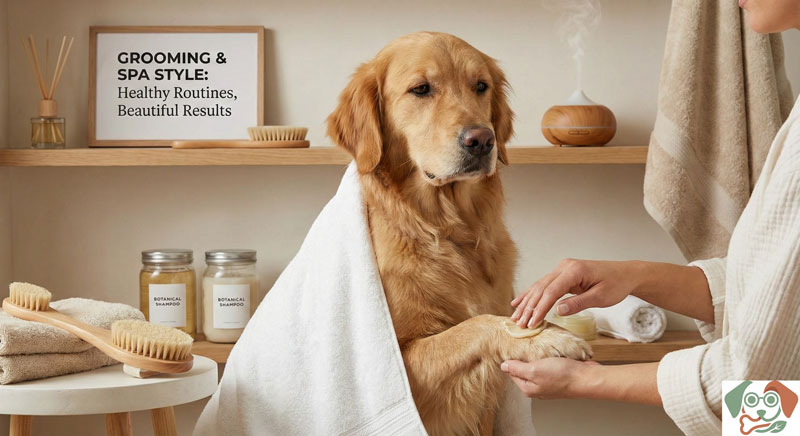
Matting prevention: Outfit do’s and don’ts for car sickness in curly coats
Meta description: Practical tips to prevent matting and ease car sickness for curly-coated dogs with simple outfits, grooming, and travel routines.
Quick Summary
- Brush daily and groom every 6–8 weeks with a detangling spray.
- Pick a breathable, snug outfit (like a soft bodysuit) to protect the coat in the car.
- Use a safe travel setup: crate or harness, plus washable seat covers and a soft blanket.
- Tweak car trips: feed timing, gradual acclimation, and calm, reward-based training.
- Adapt routines to your home (apartment or suburban) and keep vet visits on schedule.
- Check for mats around ears, under arms, and legs; address small mats early.
Why This Matters for Your Dog
Curly coats look gorgeous, but they knot easily. Mats can trap dirt, saliva, and moisture, which can irritate skin and cause discomfort. Regular grooming keeps the coat clean and healthy, and it makes travel safer and more pleasant. Car sickness adds stress, and a gentle, reward-based approach helps your dog feel secure in the car. With simple outfits and a predictable routine, you reduce matting and ease trips to the vet, park, or playdates.
Common Causes (Key Factors)
- Infrequent brushing and missed detangling routines.
- Long hair around the ears, chest, legs, and underbelly rubbing on seats.
- Wet or muddy coats that dry in twists and knots.
- Frequent car rides without a secure, comfortable setup.
- Not gradually acclimating a curly-coated dog to car travel.
- Using heavy or ill-fitting outfits that catch fur or rub skin.
- Salt, moisture, or winter grit that mats hair on walks.
Step-by-Step What To Do
1) Create a simple grooming routine
– Brush your dog daily for 5–10 minutes using a pin brush or slicker followed by a detangling spray made for dogs.
– After every walk, check for small mats and gently loosen them before they harden.
– Schedule a professional groom every 6–8 weeks, or as needed, to keep ends trimmed and mats from forming.
2) Outfit do’s and don’ts for car trips
– Do wear a breathable, snug bodysuit or light fleece that covers the torso and some legs. This helps keep fur clean and reduces rubbing on car seats.
– Do use a harness that attaches to the car’s seat belt anchor or a properly fitted crate. This keeps movement calm and reduces motion sickness risk.
– Don’t rely on a loose collar in the car. A collar can slip or choke if the dog moves suddenly.
– Don’t pick bulky, tight outfits that restrict movement or rub skin in hot weather.
– Do pick washable fabrics; change after messy trips.
3) Car sickness prevention and comfort
– Avoid feeding right before travel. If possible, offer a light meal 3–4 hours before a longer trip.
– Use a crate or secured harness to limit motion and reduce anxiety.
– Introduce short, calm trips first, with lots of praise and a treat at the end.
– Keep the car well-ventilated. A steady breeze helps some dogs feel better.
– Use a familiar blanket or toy to comfort your dog during rides.
4) Travel setup and home routines
– Use a washable car seat cover or a waterproof crate mat to protect the car and reduce friction on fur.
– Put a soft blanket inside the crate or on the seat for comfort.
– Keep a small brush and detangler in the car for quick touch-ups after trips.
– In apartments: plan shorter, more frequent trips to avoid long car rides that can trigger nausea.
– In suburban homes: schedule routine visits to the dog park, vet, and grooming to keep a steady schedule.
5) Crate training and daily lifestyle
– Start crate training with a delicious treat and a favorite toy. Make the crate a safe space, not a punishment.
– Practice short car rides from the crate, gradually increasing duration.
– Maintain a consistent routine for meals, walks, grooming, and rest.
– Consider salt-and-wet-weather precautions (boots or protective coverings) to reduce coat damage during winter strolls.
6) Vet and professional support
– Bring up any ongoing car sickness or severe matting concerns at your next vet visit.
– A certified groomer can show you gentle detangling techniques and safe products for curly coats.
– If your dog shows persistent vomiting, drooling, or signs of distress in the car, contact your vet promptly.
Mistakes to Avoid
- Skipping daily brushing or postponing grooming appointments.
- Using human shampoos or heavy oils that attract dirt.
- Letting mats grow, especially in tough spots like behind ears or underarms.
- Tight or constricting outfits that limit movement or breathing.
- Forgetting to secure your dog in the car or using loose restraints.
- Overwhelming car trips without gradual exposure.
- Ignoring skin irritation caused by mats or rubbing.
When to Call a Vet or Certified Professional
- Mats are deeply tight or near the skin; shaving is not an option for comfort without professional guidance.
- Your dog shows skin redness, sores, or discomfort after brushing.
- Chronic car sickness persists despite gradual exposure and practical steps.
- The dog refuses meals, drinks heavily, or has persistent vomiting, diarrhea, or lethargy after trips.
- You’re unsure about the right harness, crate size, or grooming products.
Vet disclaimer: This article provides general care tips only. It does not diagnose conditions or substitute for veterinary advice. If you notice persistent symptoms, consult your veterinarian or a certified pet professional.
FAQs
-
How often should I brush a curly coat?
Aim for daily brushing, plus professional grooming every 6–8 weeks. -
Can I use human shampoo?
No. Use dog-safe shampoos that won’t strip natural oils or irritate skin. -
What type of car harness is best?
Look for a certified, crash-tested harness or a secure crate; the key is a snug fit and easy attachment to the car’s seat belt system. -
Are bodysuits good for matting?
A breathable bodysuit can help reduce rubbing and keep the coat cleaner, but it should fit well and not restrict movement. -
What if I see a few mats?
Gently work them out with a detangler and a comb. If they are tight, use professional grooming to avoid hurting the dog. -
How long does car sickness take to improve?
Start with short trips and gradual exposure. If symptoms persist beyond a few weeks, talk to your vet about a plan.
If you’re a first-time dog parent, you’re not alone. Small, steady changes—daily brushing, the right travel outfit, and a calm, reward-based car routine—make big differences. Your curly-coated friend will stay comfortable, mats will stay at bay, and car rides will feel safer and more enjoyable for both of you.