
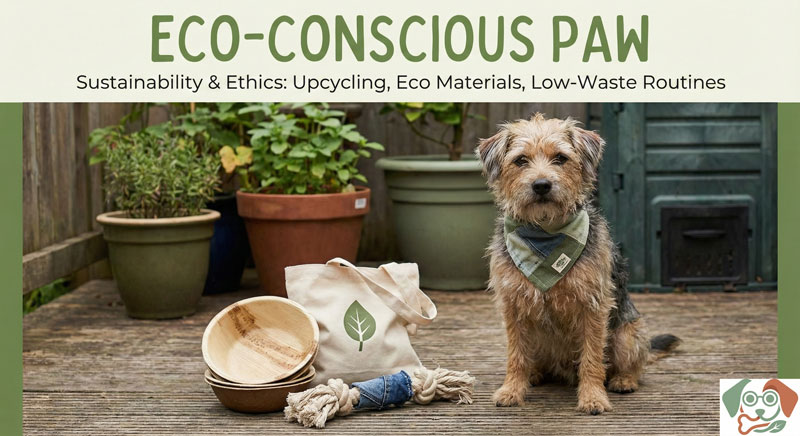
Upcycled dog coat liner DIY: Softer fabrics for slippery paws and a zero-waste closet
Meta description: Learn a beginner-friendly DIY to upcycle old fabrics into soft dog coat liners for warmth and a zero-waste closet.
Quick Summary
Turn old coats and fabrics into cozy, removable liners for your dog’s coats. It’s budget-friendly, beginner-safe, and helps cut waste. This guide covers fabric choices, simple sewing steps, and tips for apartment and suburban homes.
Why This Matters for Your Dog
A soft liner adds warmth and comfort, especially on chilly days. It protects sensitive skin from rough coats and helps coats stay snug without bulk. Using upcycled materials lowers waste and simplifies laundry by letting you switch liners rather than washing an entire coat every time. It also gives you a practical, low-stress routine for walks, vet visits, and crate time.
Key Factors
- Material matters: choose soft, non-irritating fabrics such as fleece, flannel, or cotton knit. Prewash to reduce shrinkage.
- Fit and safety: measure length, chest girth, and neck. Use secure closures that can’t be chewed or pulled loose.
- Ease of care: liners should be machine-washable and quick to dry.
- Real-world settings: apartment living may favor lighter liners; suburban homes may handle thicker layers and more outdoor use.
- Zero-waste mindset: gather scraps, repurpose old pieces, and keep a small “liners stash” to reduce new purchases.
Step-by-Step What To Do
1) Gather materials
– Old coat or fleece blanket, a few fabric scraps, scissors, ruler, chalk or fabric marker.
– Sewing machine or needle and thread (backstitch for strength).
– Velcro strips, snap closures, or a small zipper for easy on/off.
– Optional: fabric glue for non-sew finishing, bias tape for clean edges.
2) Measure your dog
– Length: from shoulder to just before the rump.
– Chest girth: around the widest part of the chest.
– Neck circumference: just below the jaw.
– Note: aim for a snug fit with room to move.
3) Create a simple liner pattern
– Cut a rectangular liner about 1–2 inches shorter than the coat’s lining length to prevent bulk at seams.
– Add a 0.5-inch seam allowance around edges.
– For curved shapes, trim corners to help the liner sit smoothly.
4) Cut the fabrics
– Use a soft fabric as the liner layer. If you’re using multiple fabrics, cut one main liner and a secondary lining for extra warmth.
– Prewash fabrics, then cut to pattern size.
5) Sew the liner
– Finish raw edges with a simple zigzag stitch or use bias tape.
– Sew liner pieces together with right sides facing each other; leave a small turning hole if you need to pull right side out.
– Turn right side out and press flat.
6) Attach to the coat
– Position the liner inside the coat where the original lining sits.
– Sew or glue Velcro strips along the coat edge and on the liner to secure it, so you can remove the liner for washing.
– Ensure closures are away from the dog’s mouth and paws.
7) Fit test and adjust
– Put the coat on your dog inside and out, walk a few steps, and observe. Move, twist, and sit to ensure no restriction.
– If the liner shifts, adjust the Velcro or add a few small safety stitches to secure it.
8) Care and maintenance
– Wash liners separately in cold or warm water on a gentle cycle.
– Air dry or tumble on low heat to prevent shrinkage.
– Rotate liners to extend wear and keep things fresh.
9) Zero-waste closet tips
– Save scrap fabric for small patch liners or paw-cover repairs.
– Donate unusable pieces to fabric recycling programs if available.
– Keep a dedicated bin for “liner scraps” and reuse them for future projects.
Mistakes to Avoid
- Using rough or wool fabrics that irritate skin or rub against fur.
- Making the liner too thick, which crowds movement or makes the coat uncomfortable.
- Skipping prewash; fabric can shrink after washing and throw off fit.
- Choosing insecure closures that come loose during walks.
- Neglecting to test the fit before outdoor use.
When to Call a Vet or Certified Professional
- If your dog develops skin irritation, redness, or allergies near the coat area.
- If your dog has arthritis or mobility issues and shows new stiffness with the liner.
- If your dog chews or rubs the liner excessively and skin trauma occurs.
Note: This information is not medical advice. For health concerns, consult your veterinarian.
FAQs
- Can I use any fabric for the liner? Prefer soft, non-irritating fabrics such as cotton fleece, flannel, or soft jersey. Avoid itchy or scratchy materials.
- How often should I replace a liner? Check fit and wear monthly. Replace if seams loosen, fabric pills, or stains linger.
- My dog is a heavy chewer. What can I do? Use reinforced seams and chew-safe closures. Supervise initial use and consider a no-chew crate setup during crate training.
- Can I make a waterproof liner? Yes. Add a thin waterproof layer between the liner and the coat, or use a water-resistant outer layer with a breathable interior.
- Is this good for crate training? Liners can support crate comfort if you use a light, washable liner that’s easy to clean between uses.
This DIY project keeps your dog cozy, reduces waste, and fits everyday life—from apartment mornings to park outings. With simple steps and gentle, reward-based routines, you can build a warmer closet that respects your dog’s comfort and your home.