
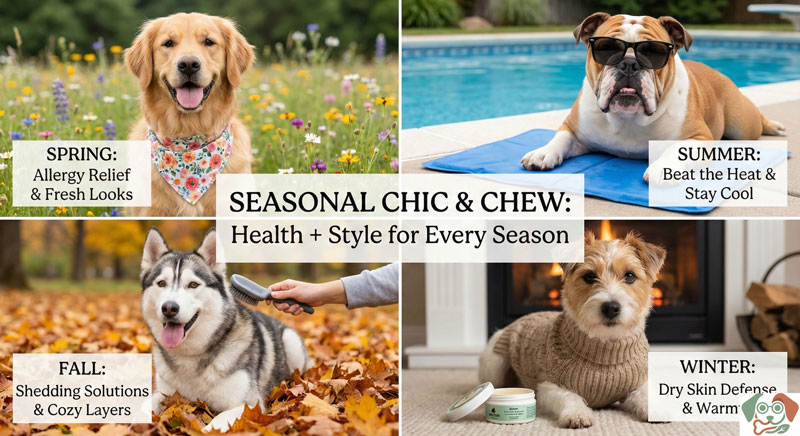
Winter Photoshoot Prep: Reduce reverse sneezing with grooming plus air-dried chews
Meta description: Winter photoshoots for dogs—grooming tips and air-dried chews to help reduce reverse sneezing. Simple steps for apartments and houses.
Quick Summary
- Grooming cleanly reduces winter irritants that can trigger sneezing fits.
- Air-dried chews provide safe enrichment and calm, positive chew time.
- Create a cozy, quiet photoset with good natural light and a calm routine.
- Tailor tips for apartments or suburban homes; keep sessions short and positive.
- If sneezing is frequent or worsening, check with a vet.
Why This Matters for Your Dog
Winter can dry out airways and raise irritants in the home. Photoshoots add excitement, which can trigger reverse sneezing in some dogs. A short grooming routine and well‑chosen chews can lower irritants and improve focus during the shoot. This helps both you and your dog enjoy the moment, not just the pictures.
Common Causes
- Dry indoor air from heating can irritate nasal passages.
- Dust, dander, or pet hair buildup on surfaces.
- Sudden bursts of excitement during a shoot.
- Allergens from outdoors after walks (pollen, cold air, etc.).
- Minor throat or airway irritation from eating or chewing.
Note: reverse sneezing is usually not dangerous, but persistent coughing, nasal discharge, or distress requires a vet’s eye. This post offers practical, humane steps and a vet disclaimer.
Step-by-Step What To Do
1) Set up a warm, inviting grooming routine
– Daily brushing: use a soft brush to remove loose fur and reduce shedding around winter photos. Do it in a well-lit space so you can spot anything unusual.
– Gentle muzzle wipe: after walks, wipe the muzzle with a damp cloth to remove dust and salt from sidewalks.
– Nail care and ear check: keep nails trimmed for steady poses; check ears for debris and clean softly if needed.
– Environment help: use a humidifier or place a shallow dish of water near a heat source to keep air from becoming too dry.
– Apartment tip: designate a small grooming corner by a sunny window. Keep supplies in a basket for quick sessions.
– Suburban tip: you may have a bit more space for a larger grooming mat or a crate with a soft cover to create a calm prep zone.
2) Choose air-dried chews and use them thoughtfully
– Pick high‑quality air‑dried chews labeled for dogs. Options include beef or fish chews that are appropriate for your dog’s size.
– Size and supervision: give a chew that matches your dog’s mouth size. Supervise during chewing, especially during a shoot.
– Use as enrichment, not a meal: offer the chew during prep or between poses to keep your dog relaxed and motivated.
– Rotation helps: vary the flavor every few days so your dog stays interested and calm.
– Health note: check for dental issues, allergies, or sensitivities. If your dog has a sensitive stomach, start with a small amount and watch for signs of discomfort.
3) Plan a calm, winter-friendly photoshoot setup
– Light and backdrop: pick a corner with natural light. A simple, quiet background reduces distraction.
– Cozy cues: a soft blanket or small bed in the shot helps your dog feel secure.
– Leash and crate: use a short leash during setup, then offer a crate or quiet space as a retreat between poses.
– Clear cues and rewards: practice a few simple tricks (sit, stay, look) with small treats or the air-dried chew as a reward.
– Space-aware tips:
– Apartment: keep sessions short (3–5 minutes), with frequent breaks for water or a quick sniff outside if possible.
– Suburban: you can layer a longer photo session with short breaks, but pace it to stay under your dog’s stress threshold.
– Practice days: do a couple of quick practice shoots before the real day so your dog knows what to expect and associates it with praise and treats.
4) Build a gentle, reward-based training routine
– Focus on praise and treats rather than pressure. Move at your dog’s pace.
– Quick cues: train a simple “look at me” cue for eye contact during shots, then reward.
– Breaks are fine: if sneezes or sniffles occur, pause, reset, and resume when your dog is calm.
– Crate training basics: if your dog prefers a crate, use it for a calm break between shots. Keep the door open and reward calm behavior with a chew and praise.
5) Vet or professional input if patterns emerge
– If reverse sneezing is frequent, lasts long, or is accompanied by other symptoms, schedule a quick check with your vet.
– A certified dog trainer or behaviorist can tailor enrichment and desensitization steps to your dog’s needs.
– Vet disclaimer: this post is for guidance only. It does not replace professional advice. If you’re worried, call your veterinarian.
Mistakes to Avoid
- Forcing photos or long sessions when your dog shows stress signs.
- Overdoing treats or chews during a shoot; balance is key.
- Using strong scents, sprays, or harsh grooming products near the face.
- Neglecting hydration or dry air in winter—keep fresh water available.
- Ignoring coughing, nasal discharge, or repeated sneezing bursts; these need a vet check.
When to Call a Vet or Certified Professional
- Sneezing episodes that are frequent, particularly with nasal discharge or coughing.
- Signs of distress, breathing difficulty, or lethargy.
- If your dog has a known allergy history that seems worse in winter.
- If you notice appetite or energy changes alongside sneezing.
- A veterinarian or certified trainer can help identify triggers and tailor a plan.
FAQs
- Q: What is reverse sneezing in dogs?
A: Reverse sneezing is an abrupt, rapid inhalation through the nose that sometimes sounds alarming. It’s usually short and not dangerous, but it’s good to monitor. - Q: Do air-dried chews cause reverse sneezing?
A: They don’t typically cause reverse sneezing, but any new chew can irritate some dogs. Introduce slowly and watch for signs of discomfort. - Q: How often should I groom my dog in winter?
A: Brush weekly and bathe only as needed with a gentle, dog-formulated shampoo. Keep ears clean and nails trimmed. - Q: Can a photoshoot hurt my dog?
A: When done calmly and short, with rewards, most dogs enjoy it. If your dog shows fear or stress, shorten sessions and use a quiet space. - Q: What if my dog sneezes during a shoot?
A: Pause, give a calm moment, offer a chew or treat, and resume when your dog is relaxed. Don’t force them to perform.
If you’d like, I can tailor this plan to your dog’s breed, size, and typical energy level, or draft a 2-week, apartment-friendly prep calendar.