
Travel Carrier vs Booties: Which Prevents Seasonal Allergies Better in 2026?
Meta description: Travel carrier or booties—which helps prevent canine seasonal allergies in 2026? Practical tips for US homes.
Quick Summary
- Both tools can help reduce allergy exposure, but boots are usually more direct for paw contact with pollen and grasses.
- A travel carrier can limit overall exposure during transport and in busy public spaces, but should be used alongside other allergy care.
- Combine these with vet guidance, environment control, and a gentle routine you can stick to at home.
Why This Matters for Your Dog
Seasonal allergies can itch, inflame skin, and disrupt walks and play. For many dogs, pollen and grass spores irritate paws, nose, and skin. Boots and travel carriers are not a cure, but they can lower allergen exposure when used correctly. The right approach depends on your dog’s needs, your living setup (apartment vs. suburban home), and your daily routines.
Key Factors (Common Causes)
- Pollen and grasses in yards, parks, and even some apartment courtyards.
- Mold spores in damp areas and inside poorly ventilated rooms.
- Dust mites and indoor allergens, especially in homes with many fabrics or heavy carpeting.
- Individual differences: some dogs are more prone to itching, while others show sneeze or facial rubbing.
- Environment: open windows and seasonal winds, air quality, and how often you clean and groom.
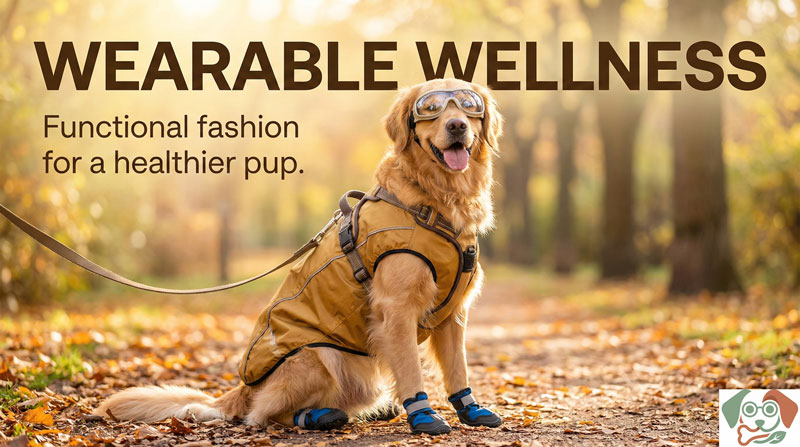
Booties help by limiting paw exposure to pollen, grass, and rough surfaces. Travel carriers help you control where your dog is kept during car rides, pet-friendly venues, and trips where doors open to pollen-filled air or crowded spaces. Neither replaces a vet check if allergies are causing significant discomfort.
Step-by-Step What To Do
1) Talk with your veterinarian
– Explain symptoms, patterns (time of year, locations), and current care.
– Ask about allergy testing, medicated shampoos, or non-drowsy antihistamines if appropriate for dogs.
– Get clear guidance on what to monitor and when to seek help.
2) Pick the right booties
– Measure your dog’s paw width and length. Boots should be snug but not tight.
– Look for breathable fabric and a non-slip sole. Adjustable straps or Velcro help custom fit.
– Start indoors. Let your dog sniff, wear for a few minutes, and praise with treats. Gradually extend wear time over several days.
– Choose simple, durable ones that are easy to clean. Wash after outdoor use to remove pollen.
3) Introduce a travel carrier safely
– Pick a well-ventilated carrier with mesh panels and soft interior.
– Practice at home: reward your dog for entering, staying calm, and exiting on cue.
– Use the carrier in situations with high exposure risk: travel to events, crowded parks, or vet visits.
– Ensure breaks: never confine a dog for long periods without movement or water.
4) Create a daily routine that minimizes exposure
– Walks: schedule walks early morning or later in the evening when pollen is lower. Keep a steady pace and shorter outdoor time for high-pollen days.
– Parks: choose less grassy areas or shaded paths; wipe paws with a damp cloth after outdoor time.
– Crate training and downtime: give your dog a cozy, allergen-reduced space at home to rest.
5) Environment and grooming
– Vacuum floors and upholstered furniture often. Use a HEPA-filter air purifier if possible.
– Wash bedding weekly. Bathe or wipe dogs with a gentle shampoo after heavy outdoor exposure as advised by your vet.
– Roll up or close curtains to reduce indoor pollen drift during peak pollen times.
6) Training and safety basics
– Use reward-based training to encourage calm behavior in carriers and on walks.
– Keep booties on indoors for a trial period to prevent slipping on hard floors.
– If your dog shows signs of distress in a carrier or booties, back off and reintroduce more slowly.
7) Vet follow-up and monitoring
– Note changes in itching, licking, ear rubbing, or skin redness. Track seasons and exposure times.
– Schedule a follow-up appointment if symptoms persist or worsen.
8) Real-life home scenarios
– Apartment life: more indoor pollen control helps; boots protect paws on short balcony outings; carrying to vet or pet-friendly spaces with a small carrier can reduce exposure.
– Suburban home: more outdoor time means more pollen exposure; combine time outdoors with booties, wipe-down routine, and a shielded entryway to limit pollen entering living spaces.
Mistakes to Avoid
- Expecting boots alone to fix all allergy symptoms.
- Skipping proper bootie fit or causing chafing by too-tight straps.
- Using a carrier for long stretches without breaks or water.
- Ignoring vet advice or delaying care when symptoms are severe or persistent.
- Cleaning shortcuts that leave pollen in fabric or on skin.
When to Call a Vet or Certified Professional
- If itching or skin redness lasts longer than a few weeks or worsens.
- If your dog shows ear infections, eye discharge, or persistent vomiting or diarrhea.
- If you’re unsure about medication safety, dosing, or combining products, seek veterinary guidance.
Safety: This article provides general guidance and is not medical advice. For health concerns, always consult your veterinarian before starting new products or medications. If symptoms are severe or sudden, seek urgent care.
FAQs
- Do booties completely prevent allergies? They reduce contact with ground allergens but don’t eliminate all exposure. Use them as part of a broader plan.
- Are booties safe for all dogs? Most dogs tolerate booties well if properly fitted and introduced gradually. Some dogs may take longer to adjust.
- How do I clean travel carriers? Wipe with mild soap and water, ensure it’s dry before reuse. Check manufacturer cleaning instructions.
- How long should my dog wear booties? Start with short sessions (5–10 minutes) indoors, then gradually lengthen as your dog adapts.
- Can carriers cause anxiety? Some dogs need time and positive reinforcement to feel comfortable. Short, calm sessions with rewards can help.
If you’re a first-time dog parent navigating seasonal allergies, a measured plan that combines paw protection with controlled travel can help. Booties offer direct paw protection, while a travel carrier can reduce exposure during trips and in busy spaces. Pair these tools with grooming, indoor cleanliness, and regular vet check-ins, and you’ll have a practical, humane approach to easing allergy symptoms in 2026.