
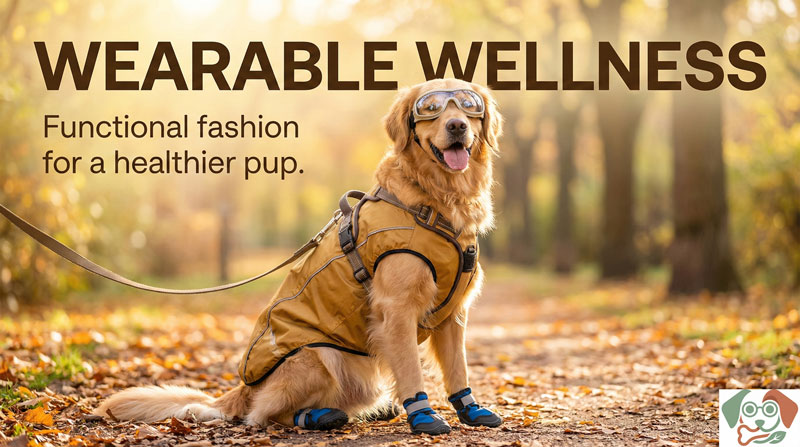
Sensitive Skin: Choose quick-dry knit in a long line to Reduce low energy
Meta description: Help your dog with sensitive skin using quick-dry knit gear and a long-line leash for calmer energy and comfort.
Quick Summary
If your dog has sensitive skin or low energy, lightweight, quick-dry knit clothing and a long-line leash can help. They stay dry, comfortable, and less itchy, which frees up energy for play and training. Use simple routines at home, tailor to apartment or suburban life, and consult a vet if skin issues persist.
Why This Matters for Your Dog
Sensitive skin can sap a dog’s energy because itchiness and discomfort lead to restlessness and poor focus. Breathable, quick-dry knit fabrics reduce moisture and irritation after walks or baths. A long-line leash supports safe outdoor time while you supervise and guide gentle exploration. When gear fits well and routines are steady, your dog can stay calmer, more engaged, and easier to train.
Common Causes (Key Factors)
- Allergies or irritants in the environment (grass, shampoo, detergent, cleaning products)
- Moisture trapped against the skin from sweating or rain
- Tight collars or rough harnesses causing friction
- Overwashing or use of harsh soaps
- Hot, humid days with little shade
- Poor grooming or neglected skin checks
Step-by-Step What To Do
1) Observe your dog’s skin and energy patterns
– Look for red patches, bumps, flaking, or scooting. Note if itching is worse after walks or baths.
– Note energy changes: does itching exhaust your dog or make it harder to settle?
2) Choose quick-dry knit gear for comfort
– Pick lightweight, breathable fabrics labeled “quick-dry” or moisture-wicking.
– For dogs with sensitive skin, avoid rough seams or heavy elastics that rub.
3) Fit and test clothing or a lightweight, breathable harness
– Ensure a soft edge around the neck and chest. Check for pinching or chafing after a 10-minute trial indoors.
– Replace stiff or scratchy fabrics with smooth knit options. If your dog is a senior or has arthritis, add extra padding at pressure points.
4) Add a long-line leash for safer outdoor time
– A long line (15–20 feet) lets your dog explore while you maintain gentle control.
– Use in a secure yard, on calm park days, or during training in open spaces.
– Pair with reward-based cues (sit, come, easy) to encourage relaxed exploration.
5) Create a simple grooming and care routine
– Brush weekly to remove loose hair and reduce skin irritation. Bathe only as needed with a mild, dog-specific shampoo.
– Rinse well and dry thoroughly to avoid damp skin.
– Check for signs of irritation after wearing gear or after park visits.
6) Match routines to home living (apartment vs. suburban)
– Apartment: short, frequent sniff walks on a long line; a cozy crate with soft bedding; daily 10–15 minute training sessions indoors.
– Suburban home: a longer morning walk followed by a shaded, quiet yard break; rotation of quick-dry knit gear for outdoor time; crate time as needed between play and rest.
7) Vet check-ins and professional input
– If skin issues persist beyond a couple of weeks, or you see swelling, oozing, or a change in appetite or energy, schedule a vet visit.
– Bring notes on products used (shampoo, detergent, gear fabrics) and any patterns you’ve noticed with the skin or energy.
Mistakes to Avoid
- Choosing fabrics that trap moisture or rub skin
- Over-washing or using harsh cleaners on a dog’s coat
- Tight collars, harnesses, or seams that irritate the skin
- Skipping vet checks when itching lasts or skin worsens
- Relying only on fashion gear without addressing underlying skin concerns
When to Call a Vet or Certified Professional
- Persistent redness, swelling, sores, or hair loss
- Ongoing itching beyond a couple of weeks or if your dog shows pain, fever, or appetite changes
- Skin symptoms that don’t improve after adjusting fabrics, grooming, and routine
- A known allergy or previous skin condition that flares up
Vet disclaimer: This blog provides general care ideas and safety tips. It does not replace professional diagnosis or treatment. If you have health concerns, contact your veterinarian promptly.
FAQs
- Can any quick-dry fabric work for dogs?
Look for dog-specific products labeled as quick-dry or moisture-wicking. Test a small area first and watch for irritation. - How do I choose the right size?
Measure around the widest chest and neck, then follow the brand’s size chart. A snug but not tight fit is best. - Is a long line leash appropriate for puppies?
Yes, with close supervision. Use shorter sessions indoors or in a secure yard until your puppy learns cues. - Will clothing stop all skin problems?
Clothing can reduce friction and moisture, but many skin issues require grooming, allergen control, and sometimes medical treatment from a vet.
If your dog’s sensitive skin seems connected to energy levels, a simple approach often helps: breathable quick-dry knit gear, a forgiving long-line leash for controlled outdoor time, steady routines, and supportive vet guidance. With consistent care and humane training, your dog can feel comfortable, calmer, and more ready to enjoy daily life.