
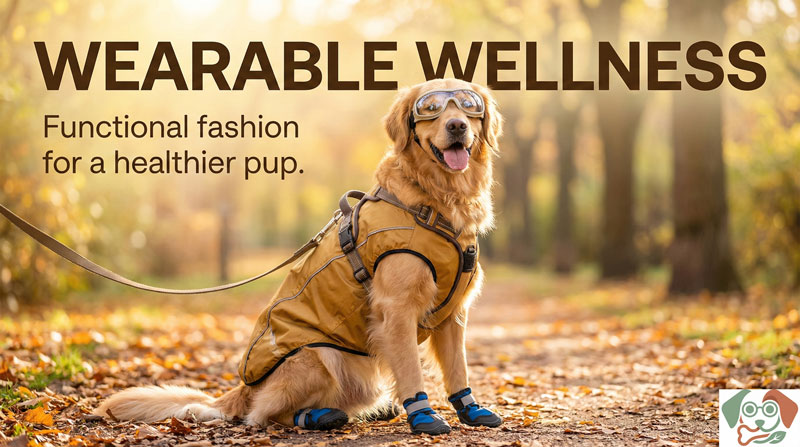
Leash and Collar Pairing: Avoid Shedding and Keep Your Look Cohesive
Meta description: Learn how to pair a leash and collar to reduce hair snag and keep your look cohesive with simple, humane steps.
Quick Summary
- The right leash and collar pairing helps control your dog, protects skin, and keeps fur looking neat.
- Match materials, fit, and color to your dog’s coat, size, and daily routine (apartment vs. suburban).
- Use humane, reward-based training to reduce pulling and wear on coat.
- Regular grooming, cleaning, and gear checks prevent excess shedding from gear contact.
Why This Matters for Your Dog
A well-chosen leash and collar setup makes daily life safer and easier for you and your dog. Proper fit reduces rubbing, skin irritation, and stress during walks. Matching gear helps you look put-together on errands, park visits, or vet trips. With beginner-friendly steps, you can build a simple routine that fits any U.S. home—from cozy apartments to larger suburban yards.
Common Factors (Key Factors)
- Coat type and skin sensitivity: short coats feel gear more; long or thick coats can snag or trap fur.
- Dog size and strength: small pups need lighter gear; larger dogs benefit from sturdy hardware.
- Daily environment: apartments require compact gear; parks and hikes may need reflective, durable options.
- Training and behavior: pulling or lunging changes gear choice (harnesses for control, no-pull strategies).
- Maintenance: gear should be checked weekly for wear, cleaned after muddy walks, and replaced when frayed.
Step-by-Step What To Do
1) Assess your living situation and routine
– Apartment: short walks, quick exits, indoor training between trips.
– Suburban/home with yard: longer walks, frequent trips to parks, crate time at home.
2) Pick the right collar
– Everyday use: flat buckle or quick-release collars are simple and safe if fitted correctly.
– Sensitive necks or pulling: consider a well-fitted harness (no-pull style) and use the collar primarily for ID.
– Fit check: you should be able to slide two fingers between collar and neck with a comfortable snugness. If you can’t, loosen or switch sizes.
3) Choose the right leash
– Length: 4–6 feet is common for everyday walking; longer leashes are great for calm outdoor spaces but require more control.
– Material: nylon or webbing is durable and easy to clean; leather looks cohesive and ages nicely with use; metal hardware adds strength.
– Reflectivity: for early morning or evening walks, pick reflective stitching or trim.
4) Match color and style for a cohesive look
– Pick colors that harmonize with your dog’s fur and your wardrobe (neutral tones for versatility; subtle pops for personality).
– If you prefer a uniform look, choose sets sold as a matching leash and collar, or plan a color pair that works well together.
5) Pair with humane training and routines
– Use rewards (treats, praise) to teach loose leash walking and polite walking.
– Practice inside first: reward calm walking with the leash on, then gradually introduce outdoor spaces.
– Short sessions: 5–10 minutes daily build consistency without fatigue.
6) Grooming and care to minimize fur on gear
– Brush your dog regularly (especially during shedding season) to reduce loose fur that can cling to gear.
– Wipe down collars and leashes after muddy or rainy walks to reduce odor and hair buildup.
– Store gear in a clean spot to avoid hair mixing with towels or blankets.
7) Practical home scenarios
– Apartment routine: quick hallway practice, hallway mats for sit/stand drills, small collar. Use a 4-foot leash for indoor practice and a 6-foot leash for outdoor trips.
– Suburban routine: longer walks, reflective gear for neighborhood safety, periodic gear checks after hikes.
– Vet and grooming visits: bring familiar collar/leash combination to reduce stress; ensure ID tags are up to date.
Mistakes to Avoid
- Using a harsh or ill-fitting collar that rubs skin or tightens easily.
- Choosing a choke or slip collar for everyday use or training.
- Wearing an unbalanced combination (heavy leash with a tiny collar) that uncomfortable or unsafe.
- Not checking for wear: frayed webbing, worn stitching, or bent hardware can fail during a walk.
- Forcing your dog to walk in uncomfortable gear; always prioritize humane, reward-based methods.
When to Call a Vet or Certified Professional
- If you see skin irritation, redness, sores, or hair loss around the neck area where the collar sits.
- If your dog shows marked discomfort or breathing issues when wearing a collar or harness.
- If training challenges (pulling, fear, or anxiety) persist despite consistent, humane effort; a trainer or veterinary behaviorist can help.
- General health questions about shedding patterns or skin health should be discussed with your veterinarian.
Vet disclaimer: This article provides general information. For health concerns or persistent issues, consult your veterinarian or a certified trainer for personalized guidance.
FAQs
- Should I use a harness instead of a collar for walking?
Often yes, especially for dogs that pull or have sensitive necks. A well-fitted harness can reduce neck strain while the collar remains for ID and quick leash attachment. - How long should my dog’s leash be?
For everyday use, 4–6 feet works well. Longer leashes are great for open spaces but require more control in busy areas. - How can I match colors without stressing about fashion?
Choose two or three complementary colors that work with your dog’s fur and your wardrobe. You don’t need perfect matches—just a cohesive look. - How often should I clean the gear?
Wipe down weekly and wash fabric leashes or collars as needed. Dry completely before reuse to prevent mildew. - How do I introduce a new collar or leash?
Let your dog sniff the new item, reward calm behavior, then wear it for short intervals indoors before longer outdoor sessions.
The right leash and collar pairing supports safety, comfort, and a neat look for every dog owner. With simple steps, you can tailor gear to your home, your dog’s needs, and your daily routines—while keeping training humane and enjoyable.