
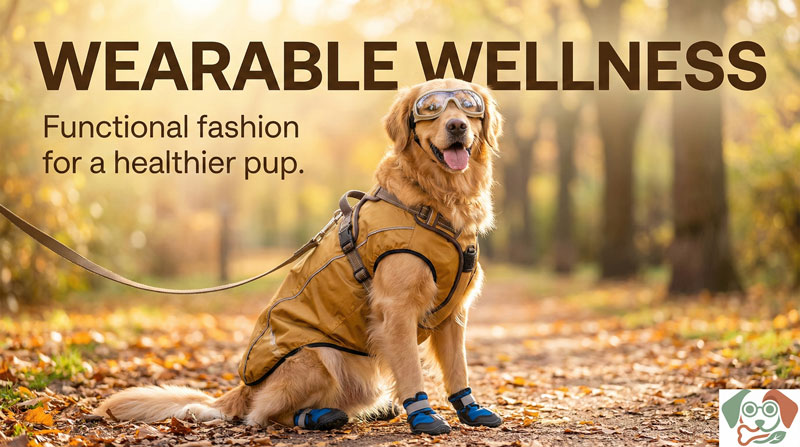
Waterproof vs Water-Resistant Turtleneck: Which Helps With Slippery Paws on Rainy Walks
Meta description: Explore waterproof vs water-resistant dog turtlenecks for rainy walks, with tips on traction, fit, and routines.
Quick Summary
- A turtleneck can keep your dog warm and dry on rainy days, but it won’t fix slippery paws on its own.
- Waterproof coats block most rain; water-resistant coats shed water more lightly and dry faster.
- For slippery surfaces, pair the coat with paw protection (boots or grips) and a slower, careful walk.
- Fit matters: a snug, comfortable coat that doesn’t tug or ride up helps your dog stay steady.
- Try indoors first, then short outdoor walks, and keep routines simple for apartment or suburban living.
Why This Matters for Your Dog
Rainy walks can be tough on dogs. Wet fur and chilly air can make them uncomfortable, slow, or jumpy. A well-fitting waterproof or water-resistant turtleneck helps your dog stay warm and dry, which keeps them in a better mood for walking. It can also reduce post-walk dampness that leads to skin irritation or a cold tummy. If your dog has slippery paws, adding paw traction and mindful pacing makes rain safer and more enjoyable.
Key Factors (Common Causes of Slippery Situations)
- Wet pavement and slick surfaces in rain or shade.
- Damp fur over the chest and belly that cools the dog unevenly.
- Not enough traction on paws, especially on tile, wood, or polished concrete.
- A coat that shifts or rubs during movement, throwing the dog off balance.
- Breathability and comfort: a hot, sweaty dog can move awkwardly.
Step-by-Step What To Do
1) Decide waterproof vs water-resistant
– Heavy rain or deep puddles: choose a waterproof turtleneck with a sealed chest and a water-repellent coating.
– Light rain or drizzle: a water-resistant turtleneck sheds water well and dries faster after a walk.
– If your dog has a short coat or is sensitive to chill, waterproof can help keep the torso drier longer.
2) Measure for a proper fit
– Use a flexible tape to measure neck circumference, chest girth behind the front legs, and back length from neck to tail base.
– Check size charts from the brand, but also read customer photos for dogs similar to yours.
– Aim for snug but not tight: you should be able to fit a finger between fabric and skin.
3) Try indoors first
– Let your dog sniff the coat, then wear it for 5–10 minutes in a safe room.
– Reward with treats if they stay calm and see no rubbing or pulling.
– Do a few practice sessions, gradually increasing wear time.
4) Pair with paw traction
– On rainy days, use dog boots or paw grips to improve grip on slick surfaces.
– If your dog won’t wear boots, keep a towel handy and walk at a slower pace to minimize slips.
– Practice short, flat-surface samplings (driveway, dry patch in a park) before longer routes.
5) Create a simple rainy walk routine
– Prep at the entry: put on coat and boots, then leash, and head out for a shorter, safer route.
– Choose mixed surfaces: start on grass or packed dirt, then move to sidewalks if needed.
– Finish with a warm dry-down: wipe paws, brush fur, and offer a warm drink or soft bed.
6) Groom and maintain
– After use, hand wash the coat per care label and air dry.
– Check seams and fasteners for wear and replace when fraying appears.
– Inspect paws after walks for any moisture, redness, or irritation.
7) Apartment vs. suburban setup
– Apartment: keep a compact, easily stored coat near the door; practice wearing it for brief, frequent outings to adapt to small spaces.
– Suburban: plan longer walks with dry breaks in shade; consider keeping a spare coat in the car if you do mid-day errands.
8) Safety reminders
– Never leave the coat on in hot weather or during vigorous exercise where overheating could occur.
– Watch for signs of discomfort, rubbing, or overheating and remove the coat if needed.
Mistakes to Avoid
- Buying a size that’s too loose or too tight; it slides, rides up, or restricts movement.
- Assuming a coat will fix poor footing; still use paw protection and slower pacing.
- Skipping indoors trials; sudden outdoor wear can startle your dog.
- Over-washing or using harsh cleaners; this can irritate skin and fur.
- Forgetting to check for choking hazards with fasteners or loose threads.
When to Call a Vet or Certified Professional
- If you notice persistent skin irritation, rashes, or hair loss where the coat sits.
- If your dog shows unusual coughing, trouble breathing, or overheating while wearing the coat.
- If you have ongoing concerns about mobility, balance, or gait during wet conditions.
- If you plan to use booties or other aids and your dog shows ongoing distress with them.
Note: This article is for general guidance. It does not replace professional veterinary advice or a diagnosis. If your dog has health concerns, please consult your veterinarian.
FAQs
Q: Will a waterproof turtleneck keep my dog completely dry during heavy rain?
A: No single coat guarantees complete dryness, but a waterproof turtleneck keeps the torso drier and reduces chill. Pair with paw protection and mindful pacing.
Q: Can a water-resistant turtleneck help with slippery paws?
A: It helps with overall warmth and dryness, but it won’t improve paw traction by itself. Use dog boots or non-slip surfaces on walks.
Q: How do I measure my dog for a turtleneck?
A: Measure neck circumference, chest girth behind the front legs, and back length from neck to tail base. Compare to the brand’s size chart and read customer photos for real-world fits.
Q: Should I wash the coat after every rain walk?
A: If the coat is muddy or sweaty, a light rinse and air dry are fine. Follow the care label to avoid fabric damage.
Q: Are there downsides to turtlenecks?
A: Some dogs dislike wearing anything on their torso. Start slowly, use positive reinforcement, and watch for rubbing or overheating.
Q: What if my dog still slips on wet pavement?
A: Slow your pace, choose safer surfaces, and add paw protection. If slips persist, consult a trainer who uses humane, reward-based methods.
By selecting the right waterproof or water-resistant turtleneck and pairing it with paw protection and careful walking, rainy days become calmer and safer for your dog. With small, consistent steps—indoor trials, proper fit, and a simple routine—you can help your pup stay warm, dry, and steady on slippery ground.