
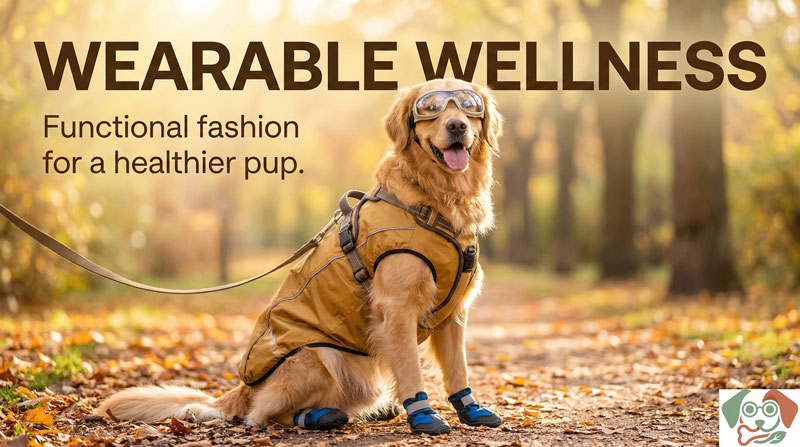
Harness Fit Mistakes That Trigger Loose Stools: Fix Your Harness in 5 Minutes
Meta description: Discover how harness fit mistakes can trigger loose stools in dogs and fix it in 5 minutes with quick, humane steps.
Quick Summary
A poorly fitted harness can stress a dog, rub the belly, or make walks uncomfortable. That stress can show up as digestive upset like loose stools in some dogs. You can fix most harness-fit issues in about five minutes with a quick check, a safe adjustment, and a gentle training approach. This guide gives simple steps you can try at home—whether you live in an apartment or a house with a yard.
Why This Matters for Your Dog
- Comfort supports calm behavior. When a harness sits right, your dog breathes easily and moves naturally.
- Less stress helps digestion. If a dog is anxious or uncomfortable during walks, stool consistency can be affected.
- Positive routines stick. Quick fixes paired with rewards make harness training easy to maintain, day after day.
Common Causes (Key Factors)
- Harness too tight or misaligned. It can press on the chest or abdomen and irritate skin.
- Chest-strap position: a poorly placed strap can rub or pull, causing discomfort.
- Incorrect harness type. Some dogs do better with front-clip or Y-best-fit designs; others prefer simple back-clip.
- Excess padding or rough edges. Heat build-up or skin friction can irritate the skin and belly area.
- Size mismatch. A harness that’s too loose can ride up or shift during walks, creating spots of friction.
- Wearing harness too long without breaks. Some dogs do better with occasional leash-free time to reset.
Note: stress and discomfort from any of these issues can lead to changes in appetite or digestion in sensitive dogs. If loose stools persist, consult a veterinarian for guidance. This article provides general, humane, non-prescriptive tips.
Step-by-Step What To Do (5-Minute Harness Fit Check)
Goal: a comfortable, secure fit that sits level across the chest and shoulders, not tight around the abdomen.
1) Quick visual and touch check (0:00–1:00)
– Put the harness on loosely. Buckle and secure it.
– Run your fingers along the straps. You should be able to fit two fingers between the strap and your dog’s body comfortably.
– Look for any pinching or rubbing sites, especially around the chest and under the belly.
2) Position and alignment (1:00–2:00)
– Make sure the main strap sits flat across the chest, not twisting. It should not press on the diaphragmatic area.
– If your harness has a belly strap, ensure it sits behind the ribcage and not right on the abdomen where it can irritate skin or press on the stomach.
– Adjust the chest piece so it sits higher or lower as needed, keeping movement natural.
3) Choose the right clip and style (2:00–3:00)
– If your dog pulls or gets excited, consider a front-clip or Y-front harness. These reduce strain and keep the load off the abdomen.
– If your dog is calm and enjoys back-clip style, that’s fine too—just ensure the clip is centered on the back and the straps aren’t pulling toward the neck.
4) Check padding and material (3:00–4:00)
– Inspect padding: breathable, comfy material with no rough edges.
– If you notice heat buildup or irritation, switch to a lighter, breathable fabric or remove excess padding.
– Ensure reflective strips are intact for safety on evening walks.
5) Quick test walk and reward (4:00–5:00)
– Take a 5-minute low-stress walk. Watch for rubbing, shifting, or signs of discomfort.
– Use small, tasty rewards for calm behavior and progress with the fit. If anything rubs or irritates, stop and readjust before continuing.
If you’re in an apartment: practice short hallway walks, then gradually extend to living room and balcony outdoor space. If you’re in a suburban home: use the yard for a quick check and then a neighborhood stroll. Either way, pair the fit check with a brief crate or downtime period if your dog gets excited in advance.
Mistakes to Avoid
- Using a harness that sits directly over the abdomen or tight around the ribcage. Move it higher or switch styles.
- Ignoring signs of skin redness, heat, or friction. Treat any irritation promptly.
- Relying on a single harness for all activities. Different activities (walks, car rides, crate time) may benefit from different fits.
- Pulling the leash too hard during adjustments. Gentle, gradual changes reduce stress.
- Waiting too long to reassess. If stool changes persist, do a quick vet check rather than hoping it will pass.
When to Call a Vet or Certified Professional
- If loose stools continue for more than 24–48 hours, especially with vomiting, lethargy, or dehydration.
- If you notice blood in stool, dramatic weight loss, or persistent poor appetite.
- If you’re unsure about what harness style is best for your dog’s body shape or health needs.
- For professional fitting, a certified dog trainer or veterinary technician can help choose the right harness and fit, and demonstrate humane, reward-based training.
Safety note: This guide is not a substitute for veterinary advice. If your dog’s stool is consistently loose, consult a veterinarian to rule out medical causes. Use humane, reward-based training methods to encourage calm behavior during harness introduction and adjustments.
FAQs
- Can a harness cause loose stools? It can contribute to stress or discomfort that affects digestion in some dogs, especially if the harness rubs or sits poorly. Addressing fit and comfort often helps.
- What harness is best for dogs with sensitive tummies? Choose a well-fitting, breathable harness that distributes pressure evenly, preferably a front-clip or Y-front design if your dog pulls. Try different sizes or brands to find the best match for your dog’s body.
- How do I know a harness fits properly? You should be able to slide two fingers between the strap and the dog’s body, and there should be no rubbing or pinching. The harness should stay secure without riding up when moving.
- Is it okay to leave a harness on all day? Some dogs tolerate a harness for short periods, but many benefit from occasional breaks to rest skin and avoid pressure buildup. Use crate time and supervised periods as needed.
- How can I introduce harnessing to a dog who’s anxious? Pair harnessing with calm, positive rewards (treats, praise) and practice short, low-stress sessions. Gradually increase duration as your dog stays relaxed.
If you want to keep this simple and practical, start with a quick fit check tomorrow morning before your regular dog-walk routine. A comfortable harness reduces stress, supports calm walking, and can help your dog feel at ease—which helps digestion and daily life.