
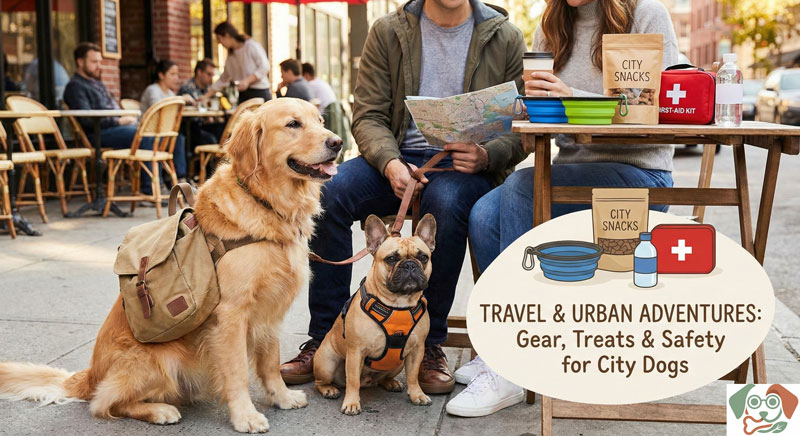
Subway and Elevator Etiquette: Reduce Snoring with Calm Chews and a Raincoat
Quick Summary
- Use humane, reward-based training to help your dog stay calm in transit.
- Calming chews (vet-approved, test first) can ease nerves; pair them with short practice sessions.
- A well-fitting raincoat keeps your dog dry and comfortable, reducing stress in wet or chilly weather.
- Adapt routines for apartment living or suburban homes; include Crate Training and short practice rides.
- Follow a simple transit etiquette routine to respect others and keep your dog safe.
Why This Matters for Your Dog
Public transit can be stressful for dogs. Elevated stress can show up as nervous panting, restless pacing, or snoring that isn’t just sleep-related. A calm, well-supported dog travels better and is nicer to be around. With a few humane, practical steps—calming chews, a weather-ready raincoat, and a steady routine—you can make subway rides and elevator trips smoother for your pup and for the people nearby.
Key Factors
- Environment: Apartment living vs. a home with a yard changes how often your dog rides transit.
- Energy and routine: A predictable daily schedule reduces arousal before trips.
- Health: Obesity, nasal or airway issues, or breed traits can influence snoring. A vet check can help.
- Training: Reward-based, humane methods work best for building calm behavior.
- Gear: A reliable raincoat and a comfortable crate or mat aid comfort and safety.
- Etiquette: Quiet, calm behavior in shared spaces helps everyone, including your dog.
Step-by-Step What To Do
1) Build a calm pre-transit routine
– 10–15 minutes of gentle exercise (a short walk, sniff break) followed by a calm Settle on a dog mat.
– Offer a calm chew about 15–30 minutes before leaving. Use a chew your dog enjoys and that’s labeled vet-approved if possible.
– End with a few minutes of quiet, reward-based praise for settling.
2) Choose and test calm chews
– Look for chews labeled for calming support and check ingredients. Avoid anything new on the day of a transit trip.
– Introduce chews at home first. If your dog shows no allergy or tummy upset, you can use them on travel days as part of a routine.
– Always follow product guidelines and your veterinarian’s advice.
3) Fit and use a raincoat
– Pick a raincoat that fits well around the chest and belly without restricting movement.
– Test indoors first: have your dog put on the coat, walk a few steps, and snack reward to make it a positive experience.
– Bring the coat on transit days in case weather changes. A dry, warm pup is less stressed.
4) Practice transit-friendly crate or mat setup
– For apartments, keep a crate or travel mat ready in a low-traffic area.
– Practice occasional quiet sessions near the elevator or building entrance with rewards.
– In longer rides or crowded trains, a familiar crate or mat can help your dog feel secure.
5) Create a transit etiquette routine
– Arrive a few minutes early to avoid rushing.
– Stand back from doors; keep a short, relaxed leash. Avoid crowding others.
– Use a calm, soft voice and quiet commands like “settle” or “stay.” Reward when your dog remains calm.
– If your dog is uncomfortable around crowds, step aside briefly to give space and use a chew or treat to refocus on you.
6) Apartment vs. suburban routines
– Apartment: Schedule shorter, more frequent outings. Use the raincoat for wet days and a portable chew to stay calm during elevator rides.
– Suburban: Plan longer walks before transit and a quick settle in the car or near the curb. Use a crate or mat during waiting periods if your dog is comfortable with it.
7) Vet visits and health check-ins
– Bring up snoring that seems heavy or is paired with labored breathing, obesity, or coughing.
– Ask about airway health and whether a calm-chew plan is appropriate for your dog.
– Maintain regular checkups; discuss any changes in sleep, energy, or appetite.
Mistakes to Avoid
- Punishing snoring or stress. This can increase anxiety.
- Overfeeding treats or chews right before transit.
- Using untested supplements or chews without veterinary guidance.
- Forcing your dog into crowded transit without proper acclimation.
- Ignoring weather needs. A soggy dog is more stressed and less cooperative.
When to Call a Vet or Certified Professional
- If snoring is paired with labored breathing, coughing, fainting, or blue gums.
- If your dog shows persistent restlessness, weight gain, or signs of pain.
- If you suspect a breathing or airway issue, especially in brachycephalic breeds (like pugs or bulldogs) or older dogs.
- A veterinary professional can assess airway health, weight, and overall comfort, and help tailor a calm plan.
Vet disclaimer: This guide provides general tips and is not medical advice. For health issues, consult your veterinarian before changing diet, chews, or medications.
FAQs
-
Are calming chews safe for all dogs?
Most are safe when used as directed and approved by a vet. Always check ingredients for allergies and compatibility with your dog’s diet. -
Will a raincoat help a snoring dog?
A raincoat helps with comfort by keeping your dog dry and warm in inclement weather. It can reduce stress if your dog dislikes rain or wind, but it’s not a cure for medical snoring. -
How do I train my dog to be calm in elevators or subways?
Start with short, low-stress exposure at home, then progress to brief, quiet trips with rewards. Use a calm, gentle voice and rewards for calm behavior. Patience and consistent practice pay off. -
What if my dog is aggressive or reactive in public spaces?
Seek help from a certified professional dog trainer or behaviorist who uses humane, reward-based methods. They can tailor a desensitization plan to your dog and your space. -
Can obesity affect snoring?
Yes. Extra weight can contribute to airway stress. Work with your vet on a healthy plan, including portion control and safe exercise, to help with overall comfort. -
How often should I practice transit training?
Short practice sessions several times a week are more effective than long, infrequent attempts. Always end on a calm note with a reward. -
Is crate training necessary for transit?
Crate training can help some dogs feel secure during rides. Use a crate only if your dog is comfortable with it and follows humane, reward-based methods. -
What about safety in crowded transit?
Keep a lightweight, secure leash, a well-fitted harness, and a crate or mat if appropriate. Have a plan to position your dog away from doors and crowds.
If you’re a busy U.S. dog parent juggling apartment life or a suburban routine, these steps offer practical, humane ways to reduce snoring-related stress during subway and elevator trips. Calming chews, a dependable raincoat, and a simple, positive training plan can turn transit etiquette into safer, calmer adventures—for your dog and for everyone sharing the space.