
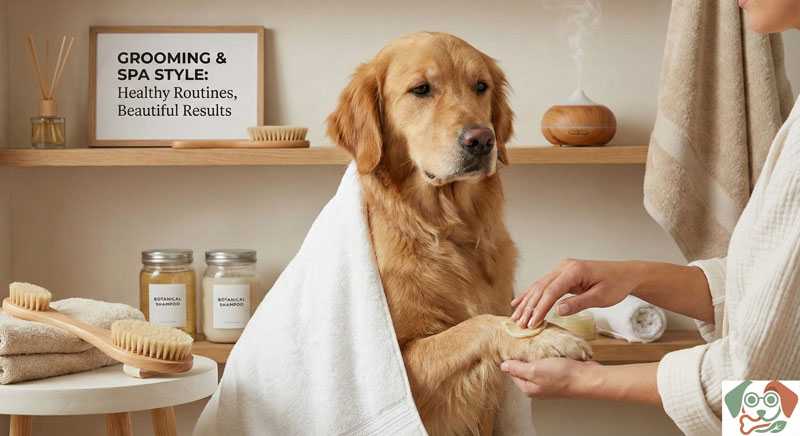
The quick 15-minute groom: Reduce ear odor and style a clean Y-harness look
Meta description: A fast 15-minute grooming routine to Reduce Ear odor and style a neat Y-harness look for busy U.S. dogs. Beginner-friendly and calm.
Quick Summary
- A simple 15-minute routine focused on ears, coat around the harness area, and a neat Y-harness look.
- Works in apartments and houses alike. Set up a calm, safe space, then follow steps in order.
- Reward-based, humane methods. If odor is strong or there are signs of infection, consult a vet.
Why This Matters for Your Dog
Healthy ears reduce odor and discomfort. A clean coat around the harness area helps your dog stay comfortable and looks tidy when you walk or play at the dog park. A quick, regular routine builds confidence for you and your dog, supports Crate Training, and fits busy U.S. lifestyles—whether you live in a small apartment or a roomy suburban home. Regular care also helps you notice changes early, so you can act quickly.
Common Causes (Key Factors)
- Damp ears or wax buildup can create odor and invite infections.
- Allergies, dirty ears, or moisture from baths and swimming raise infection risk.
- Hair around the ear canal can trap dirt and odor if not groomed.
- Harness friction or rubbing can irritate skin and worsen odor around the chest and neck.
- Infrequent grooming—especially with short coats or breeds with longer ear hair—can let odors build up.
Step-by-Step What To Do
Prepare a calm, quiet space. Gather supplies: dog-safe ear cleaner, soft cloth or cotton-free pads, a gentle brush, a small comb, a Y-harness, and treats. If you live in an apartment, place a non-slip mat in a bathroom or kitchen; in a suburban home, set up near your usual grooming spot.
Step 1: Safety and setup (2 minutes)
– Choose a calm spot. Have treats ready to reward calm behavior.
– Put the dog in a comfortable, secure position (sitting or standing). If your dog uses a crate, a brief, calm session before grooming can help.
Step 2: Ear check and clean (4 minutes)
– Look for redness, discharge, or a strong, persistent odor beyond a typical mild smell.
– Apply a small amount of pet-safe ear cleaner to the outer ear canal (never insert deeply). Gently massage the ear base to help cleaning solution loosen wax.
– Wipe away loosened wax and dirt with a soft cloth or pad. Repeat on the other ear if needed.
– If you notice persistent odor, swelling, redness, or discharge, stop and call your vet. This post is not a medical diagnosis.
Step 3: Dry and inspect ears (1 minute)
– Dry the outer ear with a clean cloth. Check for moisture that could stay behind; moisture can encourage odor or infection.
Step 4: Tidy the coat around ears and neck (3 minutes)
– Gently brush hair around the ears and collarbone area. This reduces loose fur that traps dirt and helps you see skin for any redness or irritation.
– If your dog wears a Y-harness, ensure the fur along the chest and shoulders is neat. A quick brush through the harness area prevents matting and improves the harness fit.
Step 5: Clean and style the Y-harness area (3 minutes)
– Brush toward the chest from the shoulders to smooth hair that sits under the harness straps.
– Check the harness fit after brushing. It should be snug but not tight, with two fingers’ space. Adjust if needed.
– Wipe lightly along the chest and under the harness area with a damp cloth if you want a cleaner look, then dry gently.
Step 6: Quick overall check and reward (2 minutes)
– Do a quick once-over: nails, fur around the muzzle, eyes, and overall coat.
– Give a small treat and praise. A happy, calm dog makes the routine smoother next time.
Optional in certain homes: If you’re in a cramped apartment, do steps 2–4 near a sink or tub with a shallow tray to catch any runoff. In a suburban home with a yard, you can do steps 2–5 in the bathroom or a mudroom after a short outdoor walk.
Mistakes to Avoid
- Don’t insert anything into the ear canal. Use only the outer ear and follow product directions.
- Don’t rush the process. Quick does not mean careless; a calm, steady pace reduces stress for you both.
- Don’t use human products or essential oils on your dog’s ears or coat.
- Don’t ignore signs of irritation, redness, or discharge. Seek veterinary advice if changes persist.
- Don’t rely on a dry, dirty coat to cover odor. Regular brushing and ear care matter just as much.
When to Call a Vet or Certified Professional
- If you notice persistent ear odor, redness, swelling, discharge, or your dog paws at the ears excessively.
- If there is ongoing head shaking, balance issues, or pain around the ears.
- If odors persist after a short home care routine, or if you’re unsure how to proceed, contact your veterinarian or a licensed groomer.
- This post provides general guidance. For health concerns, consult a veterinarian. It is not a substitute for professional medical advice.
FAQs
-
Q: Can I clean my dog’s ears every day?
A: Daily cleaning isn’t usually necessary. Clean as needed when you notice odor, wax buildup, or itching. Over-cleaning can irritate the ear canal. -
Q: What is a Y-harness look, and why care about it?
A: A Y-harness is a harness that sits across the chest in a Y shape, helping distribute pressure evenly. Keeping fur neat around the harness area helps the harness sit properly and looks tidy. -
Q: Are there dog-safe products for ear cleaning?
A: Yes. Look for products labeled for dogs and follow the packaging. If you’re unsure, ask your vet or a certified groomer for recommendations. -
Q: Can I do this grooming routine with a crate train?
A: Yes. Crate training supports calm behavior during grooming. Use the crate as a safe, quiet space to settle your dog before you begin. -
Q: How often should I groom my dog to maintain a clean Y-harness look?
A: A quick weekly check-in helps, with a deeper session every 2–4 weeks depending on breed, coat type, and ear health. Adjust to your dog’s needs.
This quick 15-minute groom offers a practical way to reduce ear odor and keep a clean Y-harness look, whether you live in an apartment or a suburban home. With gentle, reward-based steps and regular routines, you’ll both enjoy the process and notice your dog feel more comfortable and confident on daily outings, park visits, and crate times.