
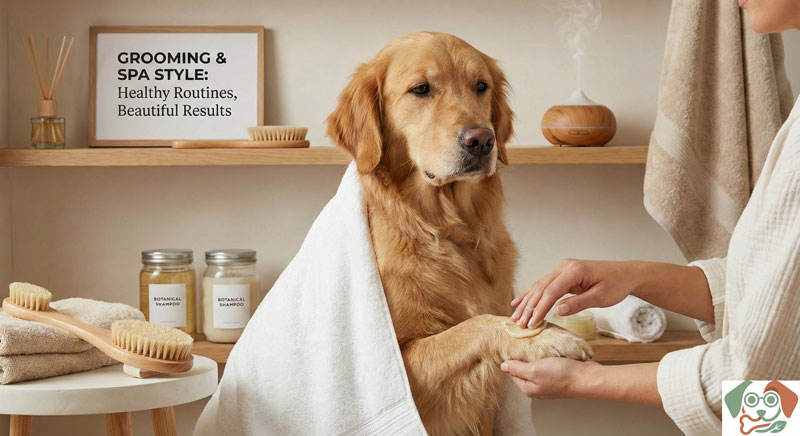
Meta description: Beginner-friendly 2025 grooming plan to reduce Hot Spots and protect outfits.
Quick Summary
- A practical, year-long plan for deshedding that fits any American home: apartment or suburban.
- Regular brushing, smart tool choices, and gentle, reward-based grooming cut hair around your clothes and reduce hot spots.
- Includes seasonal tweaks, crate-friendly routines, vet-smart checks, and when to call a pro.
Why This Matters for Your Dog
Shedding is natural, but hot spots happen when skin is irritated or hair mats form. A steady de-shedding routine helps keep fur and skin healthy, and it makes生活 with clothes you love easier. A calm grooming plan strengthens trust with your dog, reduces stress, and lowers mess around the house. The goal isn’t perfection, but steady care that fits your schedule and space.
Common Causes (Key Factors)
- Coat type and season: long or thick coats shed more in spring and fall; short coats shed year-round but less visibly.
- Skin health: dry skin, allergies, parasites, or infections can cause itching and hotspots.
- Nutrition and overall health: balanced meals support healthy skin and fur.
- Grooming gaps: skipping brushing can lead to tangles, mats, and irritated skin.
- Environment and activity: dog park play, humidity, and indoor heat can influence shedding and skin comfort.
Tip: If you notice red patches, swelling, persistent itching, or abnormal hair loss, reach out to your veterinarian. This plan supports care, but it isn’t a medical diagnosis.
Step-by-Step What To Do
Below is a practical, steady 2025 schedule you can adapt to apartment life or a home with a yard. The emphasis is humane, reward-based methods and safe tools.
- Essential gear (choose a couple of options you like):
- Gentle deshedding brush or rake for your dog’s coat.
- Undercoat rake for heavy sheds (used carefully).
- Odor-free, dog-safe shampoo for monthly baths.
- Treats and praise to make grooming a positive experience.
-
A dedicated grooming mat or towel setup in a calm area.
-
Daily quick routine (5–10 minutes):
- Briefly brush your dog’s back, neck, and shoulders.
- Reward with a treat and praise after each gentle pass.
-
Wipe paws and belly after outdoor time if they’re dirty or muddy.
-
Weekly routine (20–30 minutes, adjustable by coat type):
- 2–3 sessions using a deshedding tool, focusing on chest, belly, and hindquarters where shedding is heavy.
- If mats appear, gently tease apart with your fingers or use a detangling spray and a wide-tooth comb.
-
End with a calm cuddle and a treat to pair grooming with positive feelings.
-
Monthly bath or as needed (every 4–6 weeks for most dogs; adjust if the smell or skin changes):
- Use a dog-friendly shampoo. Avoid human products.
- Rinse thoroughly, then towel dry. If your dog tolerates it, a brief blow-dry on a low setting is fine.
-
Brush again after drying to remove loosened fur.
-
Seasonal adjustments (2025 calendar guide):
- January–February (winter): Brush 3x/week; quick wipe-down after outdoor trips; keep sessions short but regular.
- March–May (spring shedding): Increase to daily brushing for 10–15 minutes; consider a weekend longer grooming session; watch for mats in armpit and behind ears.
- June–August (summer): Maintain 2–3x/week; a light bath every 4–6 weeks if needed; keep sessions friendly and brief in heat.
- September–November (fall shedding): Ramp up brushing again; check for seasonal hotspots and skin irritation; keep nails trimmed to ease movement and comfort.
-
December: Set a routine you can maintain through holidays; short, consistent sessions prevent a big grooming hurdle later.
-
Space-adapted tips:
- Apartment: designate a small grooming corner with a non-slip mat. Short, frequent sessions work best. Use a handheld tool and a compact brush to keep a neat living area.
-
Suburban home: set up a little grooming station near a crate or laundry area. A longer, slower session on a weekend works well, followed by playtime in the yard to reinforce positive associations.
-
Crate Training connection:
-
Use the crate as a calm space after grooming. A familiar routine (groom → treat → rest in crate) helps your dog see grooming as a safe, normal part of life.
-
Vet visits and professional care:
- Regular vet checkups every 12 months (more often if your dog has skin issues). Ask your vet or a certified groomer for a recommended schedule if your dog has Sensitive Skin or heavy shedding.
Safety reminders:
– Do not use human shampoo or harsh tools.
– Avoid brushing mats aggressively; work slowly and calmly.
– Never pull hair or skin; if a knot won’t budge, seek gentle professional help.
Mistakes to Avoid
- Over-bathing or washing with the wrong shampoo can dry skin and worsen hotspots.
- Brushing too hard or rushing through sessions can frighten your dog and cause fear of grooming.
- Skipping brushing during shedding peak leads to mats and skin irritation.
- Using low-quality or unsuitable tools that scratch skin or pull fur.
- Expecting the same routine for every dog; adjust frequency and tools to coat type and comfort.
When to Call a Vet or Certified Professional
- Hot spots that worsen, spread, or crust over.
- Severe itching, redness, swelling, or burns from grooming.
- Hair loss, open wounds, or skin infections.
- Persistent odor, flakes, or skin redness after grooming changes.
- If you’re unsure about a tool, technique, or any skin issue, seek a professional opinion.
Vet disclaimer: This blog offers general care guidance. It’s not medical advice. If you notice concerning skin signs, consult your veterinarian promptly.
FAQs
- How often should I brush a short-haired dog vs a long-haired dog?
- Short-haired dogs: 2–3x/week is usually enough. Long-haired or double-coated dogs may need daily brushing during shedding season.
- Will brushing remove all shedding?
- Brushing reduces loose fur but cannot remove every hair. Regular brushing makes a big difference in keeping hair off clothes and reducing mats.
- Can I shave my dog to stop shedding?
- Shaving is not advised for most coats; it can lead to skin damage and sunburn in some breeds. Focus on brushing, deshedding tools, and coat care instead.
- Is deshedding safe for all dogs?
- When used correctly and with proper tool choice, deshedding tools are safe for most dogs. Start slowly and monitor for any signs of discomfort.
- How do I choose tools for apartment living?
- Look for lightweight, quiet tools with easy-to-clean heads. A soft-bristled brush and a gentle undercoat rake are a good start.
If you follow these steps, you’ll build a consistent, gentle de-shedding routine that helps prevent hot spots and keeps your outfits looking great. Every dog is different, so tune the plan to what your dog enjoys and what your home can handle. With patience and praise, grooming becomes a calm bonding time you both look forward to.