
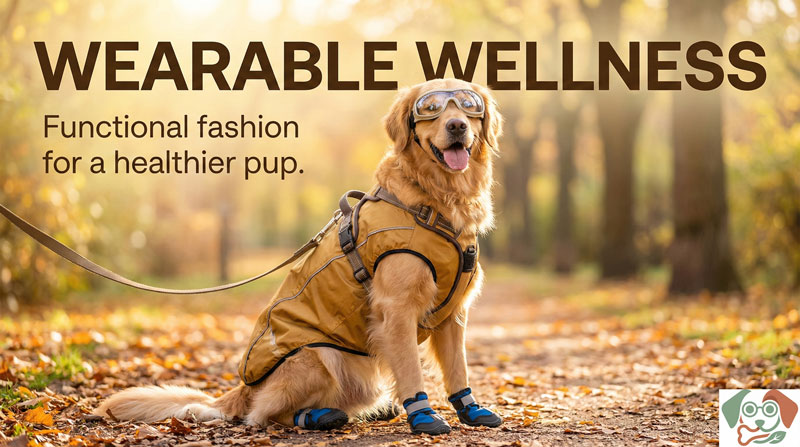
Meta description: Protect your dog’s eyes from wind and UV and reduce overheating on rainy commutes with doggles—comfortable, safe eyewear for everyday American adventures.
Quick Summary
Doggles shield your dog’s eyes from wind, sun glare, and rain splash. They can reduce eye irritation and help keep you both comfortable on everyday outings. Start slow, choose the right size, and pair with calm, reward-based training for best results.
Why This Matters for Your Dog
Eyes are sensitive. Wind can sting, UV rays can irritate, and glare from wet streets can cause squinting. Even on gray or rainy days, UV exposure can affect dogs, especially light-colored eyes. When you’re commuting or walking to the park, doggles can cut wind noise and glare, and help Prevent Overheating by reducing direct sun on the face. For apartment living or suburban homes, eye safety matters during quick errands, vet visits, and crate-quiet days when you’re reuniting after work. Doggles aren’t a cure-all, but they’re a practical tool you can add to your daily routine.
Common Factors
- Wind and debris: Fast walks or breezy days can irritate the cornea.
- UV exposure: Even on cloudy days, UV light can reach the eye.
- Glare and reflections: Wet roads and sidewalks bounce glare into eyes.
- Overheating risk: Dogs pant to cool down; shielding eyes can help dogs stay calmer in sunny or warm weather during a commute.
- Fit and tolerance: A snug, comfortable fit and patient acclimation matter more than style.
- Routine fit: Dogs may adjust best when goggles are paired with familiar gear like a harness and reflective collar.
Step-by-Step What To Do
1) Check with your vet if your dog has eye issues or is on medications that affect eyes. This is a quick, non-alarming check for safety.
2) Measure and choose sizes. Use the size chart from the brand. Look for adjustable straps and a snug fit around the eye sockets without pinching.
3) Introduce at home first. Let your dog sniff the doggles, toss a treat near them, and praise gently. Start with 1–2 minutes of wear, then stop.
4) Break them in gradually. Increase wear time by 1–2 minutes per session on non-stressful days. Watch for signs like head shaking or pawing; ease off if you see discomfort.
5) Practice before a rainy or windy commute. Do a short indoor walk or hallway stroll while wearing them, then a longer outdoor lap in a quiet area. Reward calm behavior with treats.
6) Pair with a routine. Wear the doggles on short trips to the park or during crate-to-car routines. Maintain a steady routine so your dog knows what to expect.
7) Keep a ready Setup for rainy commutes. A towel or microfiber cloth, a spare collar/harness, and a reflective leash help you stay prepared. Wipe lenses gently after weather exposure.
8) Clean and care. Use mild soap and water or a lens-safe cleaner. Dry with a soft cloth. Store in a protective pouch to avoid scratches.
9) Monitor and replace when needed. If the lenses become scratched or the strap loses elasticity, get a replacement pair. Clear lenses help visibility; tinted options reduce glare when sunny.
Mistakes to Avoid
- Forcing wear or pushing through sharp resistance. Let your dog set the pace.
- Choosing a poor fit or a high-tension strap that causes discomfort.
- Ignoring signs of eye irritation after wearing them.
- Leaving doggles on too long during the acclimation phase.
- Skipping cleaning or storage, which wears out lenses and straps.
When to Call a Vet or Certified Professional
- Eye redness, discharge, swelling, or sustained tearing.
- Prolonged rubbing or pawing at the eye after wearing doggles.
- Any signs of pain, squinting, or behavioral changes around eye area.
- The dog has a known eye condition or recent eye injury. A vet check helps confirm safety and appropriateness of eye protection for your dog.
Vet disclaimer: This post provides general tips. For eye concerns, consult a licensed veterinarian for personalized guidance.
FAQs
- Do doggles fit every breed? Most brands offer Small–Large sizes and adjustable straps. Check the sizing chart and try at home.
- How long can a dog wear doggles? Start with short periods and gradually extend. Don’t push through discomfort.
- How should I clean doggles? Mild soap and water or lens-safe cleaner; air dry or pat dry with a soft cloth.
- Will doggles help in the car? They can reduce wind on the eyes during car rides, but ensure your dog is secure and comfortable; use a crate or seat belt harness as needed.
- Do tinted lenses affect my dog’s vision? Clear lenses maximize visibility in dim light; tinted lenses reduce glare in bright sun.
- Are there other options for rainy commutes? A lightweight rain jacket for dogs and a shaded, covered route can help, but doggles are a specific tool for eye protection and glare reduction.
By following these beginner-friendly steps, you can add doggles to your daily routine with confidence. With a calm introduction, the right size, and gradual wear, many dogs accept doggles as a helpful, comfortable part of their outdoor life. This small gear can support eye health, safer commutes, and happier walks for you and your pup.