
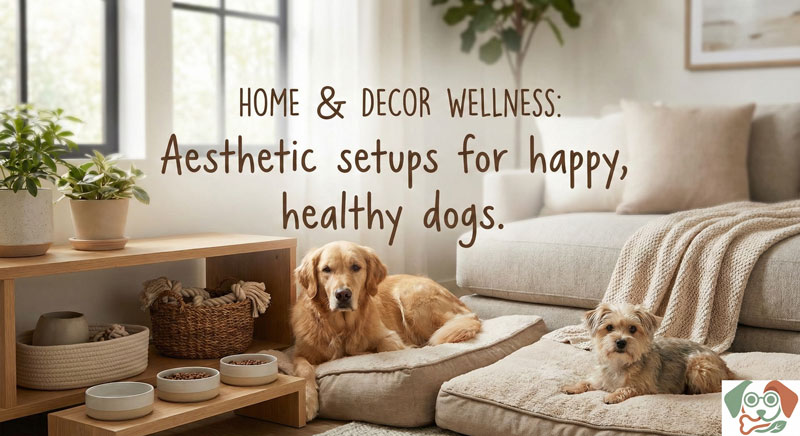
Calm Lighting Plus Chew Zone: Home Setup for Dogs with Weight Gain and Anxiety
Meta description: Calm lighting and a dedicated chew zone support dogs with weight gain and anxiety in any home.
Quick Summary
- Use soft, warm lighting to help your dog feel calm at home.
- Create a dedicated chew zone with safe toys and puzzle feeders.
- Pair lighting and space changes with a steady routine, exercise, and healthy meals.
- Work with your vet to set a weight goal and an anxiety plan that fits your dog.
- Keep training humane, reward-based, and crate-friendly.
Why This Matters for Your Dog
Dogs live by routine and comfort. Gentle lighting can ease anxiety and improve sleep, especially in apartments with late-night city sounds or bright streetlights. When a dog is anxious, they may move less, nap more, or overeat when food is available—contributing to weight gain. A well-planned chew zone satisfies a dog’s need to chew, explore, and focus, which can reduce stress and noisy pacing. A calm environment supports better weight management, better sleep, and a happier daily life for you and your dog.
Key Factors
- Lighting: Warm, dimmable lights and a simple evening routine help melatonin to rise and calm the mind.
- Routine: Regular meals, walks, and quiet times build security.
- Exercise: Short, frequent workouts plus mental stimulation burn calories safely.
- Diet: Portion control and low-calorie chews when appropriate.
- Chew Zone: A defined space with safe chews and enrichment toys.
- Training: Reward-based methods, crate training, and positive reinforcement.
- Vet Involvement: A plan that balances weight goals and anxiety management.
Step-by-Step What To Do
1) Start with a vet check and plan
– Schedule a quick check to assess weight and overall health.
– Ask for a realistic weight goal and a plan for gradual change.
– Note any anxiety behaviors (shaking, pacing, guarding space) to discuss.
– Vet disclaimer: This article does not replace professional medical advice. Only a veterinarian can diagnose conditions or prescribe treatment. If you notice sudden weight loss, lethargy, or other concerning signs, contact your vet.
2) Set up calm lighting in key spaces
– Choose dimmable LED bulbs with warm color temps (about 2700–3000K).
– Create a “calm corner” near your dog’s bed or crate with soft lighting.
– Use a simple timer or smart bulb routine: daytime bright for activity, 30–60 minutes of lower light before bedtime.
– In apartments, place lamps on a sofa table or a corner with little foot traffic. In suburban homes, you can use a living room lamp and a hallway light to cue winding-down time.
– Avoid bright blue or harsh white lights late in the evening.
3) Design a dedicated chew zone
– Pick a safe spot: near your dog’s bed or crate, or in a quiet corner of the living room.
– Choose 2–3 safe chew options that fit your dog’s size and chewing style: durable rubber chews, dental chews approved by your vet, and puzzle feeders.
– Use a chew mat or small dog bed to create a defined zone and keep toys off the floor in busy areas.
– Rotate toys every week to keep interest and mental engagement.
– Supervise initial use of new chews to Prevent choking or GI upset.
4) Build a steady daily routine
– Morning: a short walk or sniffy yard time (10–20 minutes), then breakfast.
– Midday: brief play or training session, plus a calm nap in the light of the day.
– Evening: a longer, relaxed walk, followed by dinner and winding-down time under warm lighting.
– Crate training: practice short crate sessions with treats and praise, never as punishment. The crate should feel like a safe den, not a jail.
– Consistency helps weight and anxiety: same feeding times, same walk times, same calm lighting routine.
5) Manage weight with food and enrichment
– Measure portions for meals using a standard cup or scale; avoid free-feeding.
– Use puzzle feeders or slow feeders to stretch mealtime and add mental work.
– Treats should be counted as part of daily calories; use low-calorie options or tiny training treats.
– If you must snack your dog during the day, replace one high-calorie treat with a portion of the daily meal.
6) Environment and safety tweaks
– Create a quiet space where your dog can retreat from noise (city traffic, lawn mowers, etc.).
– Consider a white-noise machine or gentle music for a calmer environment.
– Ensure access to fresh water at all times.
– Check chew safety: avoid small parts, knots, or easily swallowed pieces; replace worn chews promptly.
7) Work with a professional for anxiety management
– If anxiety is persistent, ask your vet about a referral to a certified trainer or behaviorist who uses humane, reward-based methods.
– A trainer can help you with crate training, desensitization, and counter-conditioning plans that align with your lighting and chew-zone setup.
Mistakes to Avoid
- Bright, harsh lighting late at night or leaving lights on all night.
- Skipping meals or free-feeding without a plan for portion control.
- Overusing treats or chews that push calories beyond daily needs.
- Using the crate as punishment or isolating your dog for long periods.
- Ignoring signs of chronic anxiety or injury—t seek professional help when needed.
- Not supervising chews, especially with new toys or if your dog is a strong chewer.
When to Call a Vet or Certified Professional
- Your dog’s weight changes rapidly or you can’t reach a healthy pace for goal weight.
- Anxiety signs persist despite changes to lighting, routine, and enrichment.
- Your dog shows pain, limping, vomiting, diarrhea, or significant behavioral changes.
- You’re unsure about safe chews, diets, or exercise levels for your dog’s age and health.
- Crate training is not progressing or causes distress.
FAQs
-
Can lighting really help a dog’s anxiety?
Yes. Soft, warm, dim lighting helps many dogs wind down, sleep better, and feel safe in the home environment. It’s a simple addition that works best with a consistent routine. -
How do I choose chews safely?
Pick size-appropriate chews that are designed for dogs and approved by your vet. Supervise new chews until you’re sure they’re safe. Rotate to prevent boredom. -
How much exercise does a weight-gain dog need?
Most dogs benefit from at least 20–60 minutes of activity daily, split into two sessions. Start with your vet’s guidance and adjust based on energy level and health. -
Should I crate train my dog while managing weight and anxiety?
Yes. Crate training can create a secure space and reduce anxiety when used positively. Use treats and praise to associate the crate with good things. -
What if my dog is still anxious at night?
Add calming routines: dim lights, a favorite chew or puzzle toy, a calming scent such as a dog-safe pheromone product if recommended by your vet, and a consistent bedtime. If anxiety persists, seek professional help. -
How often should I visit the vet about weight?
Schedule regular check-ins (every 6–12 weeks is common) or as advised by your vet. Bring a log of weight, eating habits, and behavior changes. -
Can I rely only on lighting and a chew zone for anxiety?
Lighting and a chew zone are helpful tools, but they work best with a broader plan: consistent routine, physical and mental exercise, portion-controlled meals, and professional guidance when needed.
This home setup—calm lighting plus a thoughtful chew zone—offers a practical, kind way to support dogs managing weight gain and anxiety. With small, consistent steps and reminders to seek professional advice when needed, many dogs thrive in a calmer, more predictable home.