
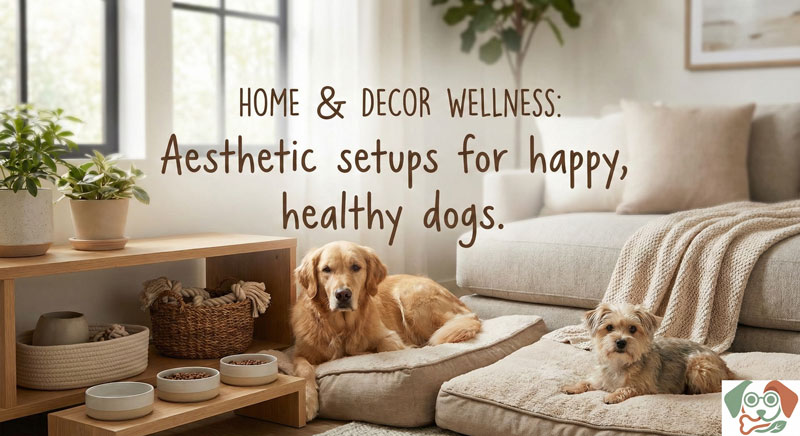
Minimalist toy rotation: Reduce weight gain stress and keep your living room chic
Meta description: A beginner-friendly guide to minimalist dog toy rotation to reduce weight gain stress and keep your living room chic.
Quick Summary
- A simple toy rotation cuts clutter, cuts stress for you and your dog, and helps with gentle weight management.
- Keep a small, well-chosen set of toys in use and rotate them regularly.
- Pair rotation with daily routines, crate time, and enrichment to support exercise, training, and calm living spaces.
- This approach works in apartments and suburbs alike with clear steps and friendly, humane methods.
Why This Matters for Your Dog
Dogs thrive on steady routines, mental engagement, and regular physical activity. When a home has too many toys scattered around, it can feel cluttered and overwhelming for both you and your dog. A minimalist rotation keeps the living space chic while ensuring your dog stays mentally sharp and physically active. Rotating toys also helps prevent weight gain by pairing play with short, structured activity and treats that fit your dog’s energy level. The result is a calmer dog, a tidier room, and an easier daily rhythm for busy pet parents.
Common Factors (Key Factors)
- Too many toys, left out all day, can reduce focus and make play less meaningful.
- Quick boredom can lead to mindless chewing or snacking during down moments.
- Inconsistent routines or weekend bursts of activity can disrupt long-term weight management.
- Toy safety and cleanliness matter: worn toys can become unsafe, and dirty toys can put a dog off play.
- Space varies by home: apartments need compact storage and predictable routines; suburban homes can support a larger rotation with dedicated toy zones.
- Training and crate time work best when paired with appropriate toys and structure.
Step-by-Step What To Do
1) Audit and categorize your dog’s toys
– Gather all toys, sort into four groups: chew toys, fetch toys, puzzle/slow-feed toys, and comfort/squeak toys.
– Check for wear and safety. Remove any damaged toys.
– Label each group with stickers or notes so you can see what you have at a glance.
2) Decide how many toys stay in rotation
– Aim for a core set of 4–6 active toys in use at any time. Add 2 rotating options that you switch in and out weekly.
– If you live in a small apartment, you might keep 4 in rotation and swap 1–2 each week.
– If you have a larger home, you can keep a few more options in a dedicated storage bin or a closet but still rotate to keep novelty.
3) Create a simple storage system
– Apartment tip: use a slim bin or a tote that fits under a couch or a coffee table. A labeled bag or bin near the entryway makes swapping quick.
– Suburban/household tip: a dedicated toy box in a linen closet or garage, with a small daily bag by the crate or doorway.
– Wash and inspect as you rotate; rotating is easier when you have a clean inventory.
4) Build a realistic rotation schedule
– Rotate every 5–7 days for most dogs. If your dog loves a particular toy, you can extend a rotation by a few days, but keep a schedule to maintain novelty.
– For dogs with high energy, pair short play sessions (5–10 minutes) with a rotation switch to keep things fresh.
– Use a simple calendar note or a phone reminder to keep you on track.
5) Tie rotation to daily routines
– Morning: a brief 5-minute enrichment session before breakfast using a puzzle toy or a treat-dispensing toy.
– Midday or afternoon: a short sniff or fetch session in the living room or a safe yard area; rotate the toy used for this session.
– Evening: 5–10 minutes of training games (sits, stays, or name recognition) with a preferred toy as a reward.
– Crate time: place one reliable toy in the crate to encourage calm rest and positive association with the space.
6) Make apartment living work: space-smart strategies
– Keep a single, small rotating set where space is tight; use vertical storage or under-bed bins to free surface area.
– Use compact, durable toys designed for apartment living (soft-noise or silent toys can be better for neighbors).
– Schedule quiet play after quiet hours so your dog learns to wind down with the room’s vibe.
7) Make suburban routines bigger but simple
– A small yard or nearby park is great for bursts of exercise; rotate the toy used for fetch or tug in that setting.
– Use longer walks with enrichment stops (sniff breaks, puzzle toys on a bench) to combine physical activity with mental work.
– Integrate crate-friendly toys into longer routines for calm downtime after activities.
8) Enrichment that complements rotation
– Treat-dispensing toys or puzzle feeders create mental challenge without requiring new toys every day.
– Short training sessions with reward-based toys reinforce good behavior and burn mental energy, helping with weight management.
– Rotate the type of enrichment (chew vs. puzzle) to match your dog’s mood and energy.
9) Monitor, adjust, and persist
– Watch your dog’s interest: if a toy is ignored for several days, switch it out to keep engagement high.
– Note any weight changes with your vet’s guidance; a focused routine helps you stay on track with exercise and meals.
– Keep a simple log: date of rotation, which toys were used, quick notes on dog interest, and any weight or energy observations.
10) Vet and professional touchpoints
– Bring up weight concerns at routine checkups and ask about a suitable exercise plan and nutrition review.
– If you’re unsure about which toys are safe for your dog, your vet or a certified trainer can help tailor a rotation to your dog’s needs.
Mistakes to Avoid
- Overloading with too many toys and never rotating them, which leads to ignoring all toys.
- Rotating too infrequently (weeks to months); novelty fades and engagement drops.
- Using toys that are unsafe or easily breakable; always inspect for wear.
- Ignoring hygiene; dirty toys reduce interest and can harbor microbes.
- Skipping the training or enrichment component; toys alone don’t teach behavior or burn energy.
When to Call a Vet or Certified Professional
- If your dog’s weight changes rapidly, or you notice loss of energy, coughing, orGI issues, contact your vet.
- If you’re unsure about a rotation plan due to health conditions, age, or dental needs, ask a veterinarian or certified trainer for guidance.
- This article offers practical ideas, but it does not replace professional medical advice. For health questions or weight management plans, consult your veterinarian.
FAQs
- Do rotating toys help with weight loss? Rotation supports regular play and structured activities, which can aid in weight management when paired with appropriate portions and exercise. Talk with your vet about a balanced plan.
- How many toys should I keep in rotation? Start with 4–6 core toys in use and rotate 2 extras. Adjust based on your dog’s interest and space.
- How often should I rotate toys? A weekly rotation works well for many dogs, but some dogs may do better with every 5 days or every 10 days. Use your dog’s engagement as a guide.
- What if my dog guards or shows frustration with new toys? Introduce new items slowly, pair with treats, and use reward-based training to keep sessions positive.
- Can I mix training with toy rotation? Absolutely. Short, reward-based training sessions paired with a preferred toy help reinforce good behavior and create a positive routine.
- How do I start if I have an apartment and little storage? Use a compact, labeled storage bin and rotate a small set weekly. Keep the rest in a closet or under a bed.
Warm, practical, humane steps you can take right now
– Start with a quick toy audit today. Pick 4 core toys and 2 rotating options.
– Create a simple storage plan that fits your home, whether you live in a city apartment or a roomy suburban house.
– Set a 5–7 day rotation schedule and link it to a routine: morning fetch, midday puzzle, and evening training with a reward toy.
– Integrate crate time with a favorite toy to promote calm, comfortable rest.
– Keep an eye on weight and energy with regular weight checks at home and at vet visits. Adjust meals and playtime as advised by your vet.
With these steps, you’ll keep your living space chic and organized while giving your dog the mental and physical activity they need. A thoughtful toy rotation is not about limits—it’s about structure, enrichment, and a kinder, calmer daily life for both you and your best friend.