
Meta description
Minimalist toy rotation reduces chafing stress and keeps your living room chic—easy, reward-based steps for everyday dog owners.
Quick Summary
- Use a small set of sturdy toys and rotate them regularly.
- Fewer toys visible at once lowers friction, clutter, and stress for your dog and home.
- Plan fits both apartments and suburban homes, with crate training and routines in mind.
- Clean, inspect, and swap toys to cut down rubbing, hotspots, and wear.
- Training stays humane: reward-based, gentle, and safe for daily life.
Why This Matters for Your Dog
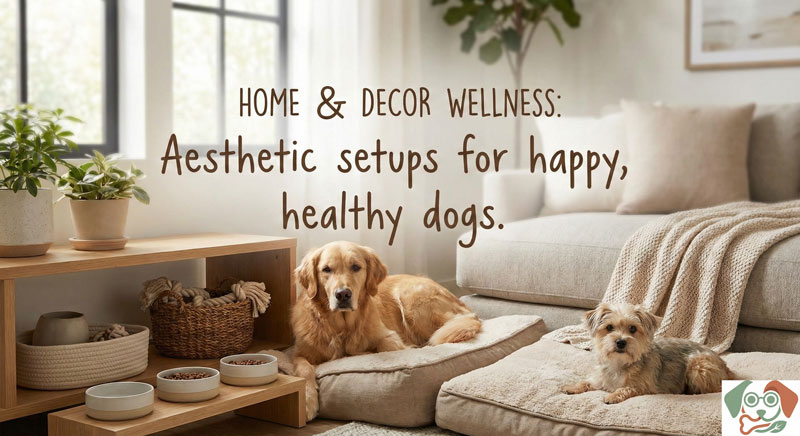
Dogs get enrichment from new and varied toys, but constant access to too many options can spark overexcitement and rubbing on skin. Repeated rubbing or tugging can cause chafing, hotspots, and irritated fur around the neck, shoulders, muzzle, or chest. A calm, minimalist toy setup helps your dog stay focused during play and reduces the chance of skin irritation. Keeping toy storage tidy also makes your living space look neat and welcoming—whether you’re in a city apartment or a sunny suburban home.
Key Factors
- Toy safety: choose durable, non-toxic materials. Inspect toys for wear and tear. Remove any torn or small pieces that could be swallowed.
- Size and chew style: match toys to your dog’s size and chewing strength. Gentle dogs and tough chewers need different options.
- Rotation balance: mix chew toys, puzzle toys, and soft toys so your dog stays mentally engaged without being overwhelmed.
- Skin health awareness: watch for redness, hair loss, itching, or whining during or after play. If you see irritation, reduce friction by rotating toys and adjusting play.
- Environment fit: apartments benefit from compact storage and a few core toys within reach; suburban homes can spread a tasteful bin setup near the crate or living area.
Step-by-Step What To Do
1) Do a toy audit
– Gather all toys and sort into categories: plush, rubber, chew, puzzle, fetch, and worn/unsafe.
– Remove any torn, loose, or small parts. Toss or repair as needed.
– Keep a handful of safe options handy for daily play.
2) Pick a minimalist rotation set
– Choose 5–7 core toys for a small-to-medium dog; 7–10 for larger dogs. The key is variety without clutter.
– Aim for at least one chew, one puzzle, and one interactive toy in the rotation.
3) Create a staged storage system
– Use a low-profile bin or a small basket that fits your decor (neutral colors work well).
– Store extras in a closet or storage bin out of sight to prevent visual clutter.
4) Set a simple rotation schedule
– Rotate every 3–4 days or weekly, depending on your dog’s interest.
– Example: Week 1 toys A, B, C visible; Week 2 swap in D, E, F while removing A, B, C to the storage bin.
– Alternate toy categories so your dog experiences different textures and challenges.
5) Make it part of daily routines
– Tie rotation to routine moments: after meals, before crate time, or during a calm play session.
– Use a short “find it” game to introduce a new toy from the rotation, rewarding calm behavior and focus.
6) Keep living spaces chic and safe
– Place a tasteful bin in the living room or near the crate; keep cords and clutter away from play areas.
– Choose toys that store neatly and won’t snag rugs or leash handles.
7) Clean and inspect regularly
– Wipe toys with mild soap and water as needed; wash plush toys weekly or as they get dirty.
– Check for wear and replace every few weeks if needed to prevent frayed parts.
8) Crate training alignment
– When you rotate toys, place one favorite toy in the crate to reinforce a positive association.
– Use soft, comforting toys for crate time and save high-energy options for after-arousal moments outside the crate.
9) Real-life home scenarios
– Apartment: Use a small, decorative bin on a coffee table or under a sofa. Keep 4–6 core toys visible; rotate weekly.
– Suburban home: Have a dedicated toy bin in a mudroom or garage entry; rotate on a biweekly cycle, swapping out multiple toys at once to refresh interest.
10) Vet-safe checks
– If skin irritation or hotspots appear, pause the rotation on suspected toys and consult your vet if problems persist.
Mistakes to Avoid
- Overloading with too many toys at once; clutter invites anxiety and makes chafing worse.
- Ignoring wear and tear; damaged toys can cause skin injuries or choking hazards.
- Using the same toy forever; boredom can lead to rough handling and rubbing.
- Skipping cleaning; dirty toys can irritate skin or cause odors in the home.
- Not considering the dog’s size, age, or chew style; a toy that’s too hard or too soft can cause issues.
When to Call a Vet or Certified Professional
- If you notice persistent redness, hair loss, sores, or frequent licking in spots where toys rub.
- If your dog chews aggressively and you’re unsure about a toy’s safety or use.
- If a toy fragment is swallowed or if there are signs of distress during play.
- A non-emergency consult can help tailor a rotation plan to your dog’s needs, especially if skin or dental issues arise.
Note: This article provides general guidance. For health topics, consult your veterinarian for personalized advice. Do not use as a substitute for professional care if you have health concerns.
FAQs
-
Q: How many toys should my dog have available at once?
A: Start with 4–6 core toys for small/medium dogs and 6–10 for larger dogs. Keep the rest in storage and rotate in on a schedule. -
Q: How often should I rotate toys?
A: Many households rotate every 3–4 days or weekly. Adjust based on your dog’s interest and your schedule. -
Q: How do I clean dog toys safely?
A: Use warm water and mild dish soap. Rinse thoroughly and air dry. Wash plush toys weekly or as needed; wipe non-plush toys between uses. -
Q: Can I keep squeaky toys?
A: Yes, if your dog enjoys them and they’re safe. Check for wear and avoid toys that break into small pieces. -
Q: What about rawhide or edible chews?
A: Choose safe, veterinarian-approved chews in moderation. Always supervise and remove any small pieces before they’re swallowed. -
Q: How can I make rotation easy with an apartment lifestyle?
A: Use a compact bin, store extras out of sight, and keep a few favorite toys within reach for quick access. A simple schedule keeps your dog engaged without clutter. -
Q: Will rotation reduce my dog’s chew cravings?
A: Rotation provides novelty and mental stimulation, which can reduce the urge to over-chew. Pair rotation with appropriate chew choices and positive reinforcement.
This minimalist toy rotation plan is designed to be beginner-friendly, humane, and practical for everyday American dog parents. With a little setup, you’ll keep your dog safe and happy while your living room stays calm, organized, and chic.