
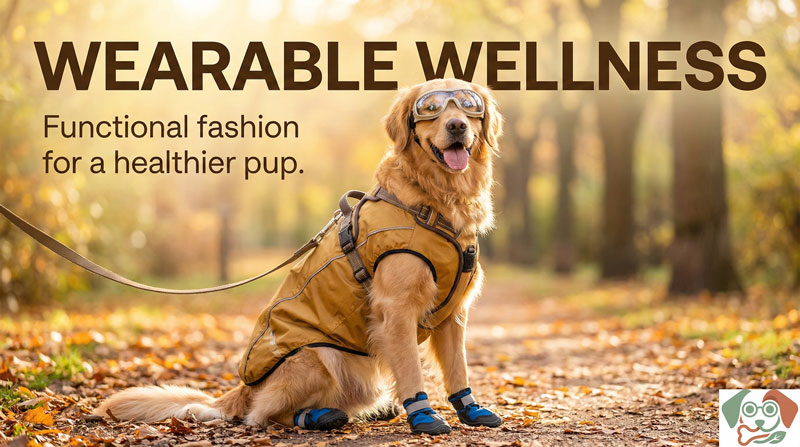
Snowsuit Safety: Keep Warm and Reduce Car Sickness on Fall Walks
Meta description: Keep your dog warm and calm on fall walks with snowsuits, fitting tips, and car-sickness tricks.
Quick Summary
- Snowsuits help your dog stay warm, shield against wind, and stay comfortable on chilly fall walks.
- Proper fit and gradual acclimation are key. Start indoors, then short outdoor sessions.
- to Reduce car sickness, pair snowsuit wear with gentle car habits: fresh air, light meals, and timed breaks.
- Use humane, reward-based training to make gear a positive part of your routine.
- Tailor tips to your home: apartment living or a suburban backyard both work with the right plan.
Why This Matters for Your Dog
As temperatures fall, wind and cold can sting tiny and large dogs alike. A well-fitted snowsuit keeps warmth in without overheating. It also reduces wind chill that saps energy during longer walks. If your pup hates cold wind, a snug layer can boost comfort and encourage more daytime activity. For dogs prone to car sickness, easing into travel with calm routines and a familiar outfit can help reduce stress and motion-related nausea. This is about practical care, not shaming—small steps add up to bigger, safer fall adventures.
Key Factors (Common Causes for Hesitation or Discomfort)
- Not enough warmth or wind protection, especially for short-coated breeds.
- Poor fit that rubs, binds, or restricts movement.
- Quick dressing without acclimation, causing stress.
- Car sickness from motion, mixed with stress or fatigue.
- Overheating from a bulky suit in mild fall days.
- Inconsistent routines (different gear or no post-walk care).
Step-by-Step What To Do
1) Choose the right snowsuit
– Look for a soft, breathable inner lining and a water-repellent outer layer.
– Make sure there’s room to move: shoulder, elbow, and hip joints should move freely.
– Check for a secure, easy-to-use closure (zippers or Velcro) and reflective strips for visibility.
– Ensure leg coverage that doesn’t drag on the ground or get caught in stairs.
2) Measure and fit your dog
– Measure back length from shoulder blades to base of tail.
– Measure chest girth right behind the front legs.
– Measure neck circumference where a collar would sit.
– Compare measurements to the suit’s size chart, then add a little room for movement.
3) Introduce the snowsuit at home first
– Start with 5–10 minute sessions indoors. Sit with your dog, offer treats, and praise.
– Let your dog sniff the suit, then touch it on the body before trying to wear it.
– Gradually increase time, keeping sessions positive with rewards.
4) Dress step by step
– Use a calm, quiet area. Have treats ready.
– Gently place the suit over the torso, then fasten gradually from back to front.
– If your dog is unsure, take a break and resume later in the day.
– Keep movements slow and steady; never pull or force parts into place.
5) Build a fall-walk routine with car-sickness prevention
– Exercise before car rides: a short outdoor sniff or a quick lap around the block helps.
– Avoid heavy meals right before traveling; offer a light snack 1–2 hours prior if advised by your vet.
– In the car, keep windows slightly down for air flow or use a fan; position the dog so the head is stable.
– Use a well-fitted harness with a crate or car seat to reduce movement and stress.
– After arrival, let your dog settle in with a short, calm walk and gentle petting.
6) Integrate into apartment or suburban routines
– Apartment: use a hallway or living room space for short practice sessions, then a quick leash walk to the building lobby or nearby park.
– Suburban home: add a 15–20 minute daily walk in varying routes; include a brief sniffing break to reduce boredom and stress.
– Crate training helps at home and in the car; keep a familiar snowsuit nearby with treats for quick dressing.
7) Post-walk care
– Gently wipe paws and coat if wet. Check for cold paws or signs of rubbing under the seams.
– Remove the snowsuit after the walk and allow the fur and skin to dry naturally.
– Offer water and a quick cuddle to reinforce positive associations with gear.
8) Cleaning and care
– Hand wash or machine wash on gentle with mild detergent. Air dry away from direct heat.
– Check seams for wear and replace if seams start to tear.
– Store clean gear in a dry place so it’s ready for the next walk.
Mistakes to Avoid
- Forcing a coat on a dog that resists; stop and try again later instead of pushing through.
- Choosing too small or too big a size; adjust with adjustable straps or different brands.
- Overheating on mild days; remove layers if the temperature rises during a walk.
- Skipping acclimation steps; dogs learn best with slow, positive experiences.
- Rushing dressing before leaving the house; give time for calm, reward-based prep.
When to Call a Vet or Certified Professional
- If you notice persistent coughing, vomiting, or marked lethargy after rides or wearing a snowsuit.
- If there are signs of skin irritation, rashes, or overheating.
- If your dog shows ongoing anxiety around clothing, car rides, or walking in cool weather despite gradual acclimation.
- For breed-specific concerns or if your dog has medical conditions that affect temperature regulation or mobility.
Note: This article offers general information and is not a substitute for professional veterinary advice. If unsure, consult your vet before making changes to gear or routines.
FAQs
- Do dogs actually need a snowsuit? Not always, but many dogs benefit when temperatures drop, wind bites, or during longer walks. Start with a light layer and assess your dog’s comfort.
- Can snowsuits help with car sickness? They can reduce stress and exposure to wind, which may help some dogs. Combine with gentle car strategies and vet guidance.
- How do I know if it fits? You should be able to slide a finger between the suit and your dog’s body without restricting movement. Sit, stand, and walk in place to test.
- Can my dog wear a harness with a snowsuit? Yes, many dogs wear a harness under the suit or a harness-compatible snowsuit. Ensure the harness remains secure and allows full range of motion.
- How should I wash the snowsuit? Use a mild detergent, gentle cycle, and air-dry. Check care labels for specific instructions.
- What if my dog is very sensitive to clothing? Start with tiny sessions, use extra treats, and consider a lighter layer or custom-fit gear. If stress persists, pause and consult a trainer or vet.
If you’re starting in an apartment or a suburban home, the key is consistency, gentle exposure, and reward-based training. A snug snowsuit, a calm routine, and mindful car habits can make fall walks warmer, safer, and more enjoyable for both you and your dog.