
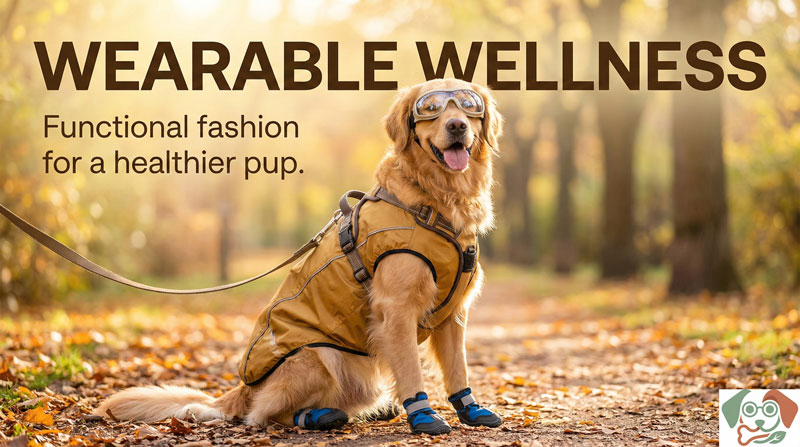
The Anti-Chafe Checklist: softshell and sizing tips for ear odor in a coat liner
Meta description: Anti-chafe tips for softshell dog coats, proper sizing, and ear odor care for U.S. dogs.
Quick Summary
- Choose breathable softshell coats with a smooth coat liner to reduce rubbing.
- Measure your dog correctly and test fit at home before regular use.
- Keep ears clean and dry; avoid coat liners that trap moisture around the head.
- Practice wearing the coat in small steps with treats and praise.
- If skin rubbing occurs or ear odor persists, consult a vet.
Why This Matters for Your Dog
A well-fitting coat liner made of softshell fabric can protect a dog from wind and cold while avoiding painful chafing. Poor fit or rough seams can rub skin, leading to Hot Spots and discomfort. At the same time, odor around the ears isn’t just about cleanliness—it can signal moisture buildup or an ear health issue. By combining smart sizing, a comfortable softshell liner, and a gentle ear care routine, you can keep your pup comfy, clean, and happy on daily walks, park trips, and crate rest days.
Key Factors
- Fit and range of motion: The coat should allow walking, turning, and turning heads without tugging.
- Fabric and liner: A soft, smooth inner lining reduces friction; breathable outer softshell helps moisture escape.
- Sizing accuracy: Neck, chest girth, and back length must align with a consistent size chart.
- Ear care awareness: Moisture near ears can worsen odor or irritate skin. Aim for dry ears after baths or rain.
- Routine integration: Use gradual exposure, treats, and a predictable routine for apartment living or yard days.
Step-by-Step What To Do
1) Measure accurately for a coat liner
– Tools: flexible tape measure, a friend helps.
– Neck circumference: measure snugly at the base of the neck.
– Chest girth: measure the widest point immediately behind the front legs.
– Back length: from shoulder blade to the base of the tail.
– Add a little ease (about 1–2 inches depending on comfort) so the coat isn’t tight.
– Compare to the brand’s size chart, not just a guess.
2) Pick the right softshell coat with a gentle liner
– Look for a smooth inner lining (fleece-free or soft fleece) that won’t rub fur or skin.
– Choose breathable, water-resistant yet flexible outer fabric.
– Prefer adjustable features: Velcro straps, elastic panels, and a secure belly strap to Prevent shifting.
– If your dog wears it indoors first, pick a light color to spot dirt, then machine wash as directed.
3) Test fit at home with a calm routine
– Have your dog stand, sit, and walk a few steps across the living room.
– Check for rubbing: run your fingers along the neck, shoulders, and chest while your dog moves.
– Adjust straps before longer wear: ensure no tight spots at the neck or behind the front legs.
– Use treats and praise to make the test positive.
4) Introduce the coat gradually
– Day 1: 5–10 minutes in a quiet room with treats.
– Day 2–3: Increase to 15–25 minutes during a short sunny walk or around the apartment hallway.
– Day 4–7: Use on short outdoor trips, continuing rewards for calm behavior.
– If your dog shows signs of distress or rubbing, remove the coat and reset the process.
5) Guard ears and manage moisture
– Dry ears after baths or puddle-play; use a gentle, dog-safe cleaner if needed.
– If you use a hood or ear-covering style, ensure it’s breathable and not too tight.
– Check ears weekly for redness, swelling, or unusual odor. A light, non-alarmist check is fine, but report any persistent concerns to your vet.
6) Care for the coat liner and your dog’s routine
– Wash the coat as directed, typically with a mild dog-safe detergent.
– Air dry completely before storing to prevent mold or mildew.
– Keep a spare liner handy if you have rainy days or muddy walks.
– Tie coat use to a daily routine—morning walk in the apartment, afternoon play in the yard, or evening stroll—so your dog can anticipate wearing the coat.
7) Maintain ear health alongside coat use
– Brush or wipe ears gently if your dog tolerates it, focusing on outer areas.
– Regularly check for wax buildup and debris; do not insert anything deep into the ear canal.
– If odor is persistent or you notice discharge, redness, or signs of pain, contact a vet for an exam.
Mistakes to Avoid
- Choosing too small or too large a size: Either can cause rubbing or shifting that rubs the skin.
- Rough seams or scratchy inner fabrics: Some linings irritate sensitive skin—opt for smooth textures.
- Overusing a coat without a test period: Jumping into long wear can lead to unexpected rubbing or anxiety.
- Trapping moisture near ears: Hooded or tight designs that hold moisture can worsen ear odor or infections.
- Ignoring ear odor symptoms: Odor can be a clue to a medical issue—don’t delay vet advice if it persists.
When to Call a Vet or Certified Professional
- Your dog’s ear odor is persistent, accompanying redness, swelling, discharge, or pain.
- You notice open sores, hot spots, or the dog licks or rubs the ears excessively.
- Skin rubbing or chafing does not improve after adjusting fit and giving it rest days.
- You’re unsure about sizing, material choices, or care steps, especially if your dog has a history of skin allergies.
Vet disclaimer: This blog provides general information for dog care and is not a substitute for veterinary advice. If you see signs of illness or persistent irritation, consult your veterinarian or a certified canine professional.
FAQs
Q: How do I reliably measure my dog for a coat liner?
A: Use a soft measuring tape. Measure neck circumference, then chest girth behind the front legs, and finally back length from shoulder to base of tail. Compare with the brand’s specific size chart, and choose a size with a little extra ease for movement.
Q: Can I use any detergent to wash the coat liner?
A: Use a mild, dog-safe detergent and follow the care label. Rinse thoroughly and air dry completely to prevent skin irritation.
Q: How can I tell if ear odor is normal or a problem?
A: A light, non-offensive odor can be normal in small amounts. If you notice persistent strong odor, redness, swelling, or discharge, seek veterinary advice. Do not insert objects into the ear canal.
Q: What if my dog dislikes wearing a coat?
A: Start with short, positive sessions indoors using treats. Gradually increase wear time as your dog stays calm. If anxiety persists, consult a trainer who uses humane, reward-based methods.
Q: Are softer linings always better for chafing?
A: Softer, smoother linings reduce friction, but fit remains essential. A well-fit coat with a comfortable lining is key to preventing chafing.
Final Thoughts
A well-chosen softshell coat liner, proper sizing, and a gentle ear-care routine can make outdoor time comfortable and enjoyable for both apartment-dwelling and suburban dogs. By paying attention to fit, fabric, and grooming, you protect your dog from chafing and support healthy ears. With patience, treats, and a steady routine, your pup can look forward to coat-wearing days that feel as good as they look.
If you’d like, tell me your dog’s measurements and living situation (apartment, suburban home, yard access), and I can help you compare a few common softshell coat options and sizing charts to fit your pup.