
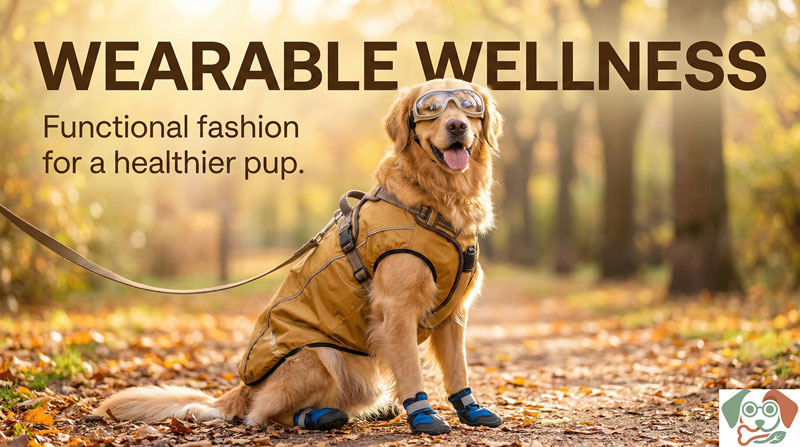
Doggles for Wind and UV: Protect Eyes and Reduce Anxiety on Park Playdates
Meta Description: Protect your dog’s eyes from wind and UV with Doggles. Easy steps to fit, acclimate, and calm park playdates for beginners.
Quick Summary
- Doggles shield eyes from wind, debris, and harmful UV light.
- They can help reduce anxiety during park playdates by providing a sense of protection.
- Start indoors, use treats, and go slow with short wearing times.
- Choose a proper size, comfortable fit, and breathable lens.
- Pair Eye Protection with humane training and a calm routine.
- See a vet if you notice persistent eye issues or new anxiety symptoms.
Why This Matters for Your Dog
Dogs’ eyes are sensitive. Wind, pollen, dust, and bright sun can irritate them quickly, especially during fast park runs or windy days. Ultraviolet light can also affect a dog’s eyes over time. Sunglasses or “Doggles” provide a barrier, much like sunglasses for us. Beyond comfort, a little gear can help some dogs feel more secure during busy playdates and crowded parks. That calm, predictable routine often translates into shorter anxious spells and more enjoyable outings for everyone.
Key Factors
- Eye safety: Wind, debris, grit, and UV exposure can irritate or injure dogs’ eyes.
- Fit and comfort: A well-fitting pair stays on without chasing or rubbing.
- Breed and facial structure: Short-nosed dogs may need different fit and strap adjustments than long-nosed breeds.
- Weather and light: Bright sun or windy days increase glare and debris exposure.
- Anxiety and routine: A familiar accessory, paired with reward-based training, can reduce stress at the park.
- Daily upkeep: Regular cleaning and checks prevent irritation and prolong life of the gear.
- Real-life examples: An apartment dog might benefit from shorter, more frequent fittings before a park visit; a suburban dog may have longer outdoor sessions and more frequent leash-free play opportunities. Crate training and a calm space at home can support anxious moments at the park.
Step-by-Step What To Do
1) Check your dog’s readiness
– Look for curiosity about new items. If your dog backs away, don’t force it. Start with very short, positive experiences.
– Decide if eyewear is appropriate for your dog’s activity level and health (discuss with a vet if your dog has ocular conditions).
2) Pick the right Doggles
– Size matters: measure around the widest part of the eye area and the bridge of the nose. Look for adjustable straps and a comfortable bend at the nose.
– Lens and vents: choose lenses that reduce glare but allow air flow. Avoid very dark lenses for indoor training.
– Material and safety: choose flexible frames and non-toxic, durable materials. Check for choking hazards like loose parts.
3) Introduce gradually at home
– Day 1: 10–20 seconds, paired with a high-value treat. Praise calmly.
– Day 2–3: 30–60 seconds with breaks in between.
– Week 1: 2–5 minutes total, several short sessions when the dog is relaxed (on the couch, in a crate with a treat).
– If your dog shows stress, pause and try again later. Never force it.
4) Practice in calm home settings
– Use a familiar space (living room, crate corner) and a soft mat. Reward calm behavior and easy head movements.
– Try a slow leash-walk around the room to get used to motion and wind from a fan or open window.
5) Prepare for the park day
– Start with a short driveway or backyard practice wearing the Doggles for 5–10 minutes.
– Bring a few treats and a water source to keep experiences positive.
– Check the fit before leaving: straps should be snug but not tight; you should be able to fit a finger between strap and skin.
6) On park playdates
– Use Doggles during the first part of the park visit or on windy days, gradually extending wear time as your dog stays relaxed.
– Pair with a calm routine: a short leash walk, sniffing time, then a short game, then a break.
– Supervise closely: if your dog shows signs of distress (pawing at eyes, rubbing eyes, head shaking), remove the gear and give a break.
– Hydration and shade matter. Always bring water and shaded spaces.
7) Daily care and maintenance
– Clean Doggles after outdoor use with a mild soap and water, rinse well, and air dry.
– Inspect for worn straps or cracked lenses and replace as needed.
– Check eyes for redness, discharge, or irritation after wearing; if in doubt, pause gear use and consult a vet.
8) Vet visits and crate training
– Annual eye examinations are wise, especially if your dog has a history of eye issues.
– If your dog experiences high anxiety at parks, consider crate training as a safe retreat during busy times. Use treats and calm, rewarding routines to teach the crate as a calm space.
Mistakes to Avoid
- Forcing the dog to wear Doggles if they’re clearly uncomfortable.
- Choosing the wrong size or a frame that’s stiff and rubs the nose or eyes.
- Rushing wear time; long sessions too soon can backfire and create resistance.
- Wearing Doggles during high-stress activities without a plan to reduce anxiety.
- Failing to inspect for wear and tear or to clean the lenses; dirty lenses can irritate the eyes.
- Neglecting supervision in public places; gear is a tool, not a substitute for training and management.
When to Call a Vet or Certified Professional
- If your dog shows persistent eye redness, discharge, squinting, or pawing at the eyes after wearing Doggles.
- If anxiety worsens or your dog shows signs of a panic-like response at parks despite training.
- If you notice coughing, itching, or facial swelling after wearing gear, or if your dog has an existing ocular condition or injury.
- This post is for education and does not replace professional veterinary advice. For health concerns, consult your veterinarian promptly.
FAQs
- Are Doggles safe for all breeds?
Generally, yes, but fit and comfort vary. Some dogs may resist gear due to facial structure or sensitivity. Start slow and use reward-based acclimation. - How do I measure size?
Measure the widest part of the eye area and the length from the corner of the eye to the temple. Check size guides from the brand and try on with a flexible strap. - Can my dog wear Doggles during car rides?
Car rides can be brighter inside the vehicle. If your dog tolerates Doggles calmly, wearing them during a short drive can reduce glare, but stop if your dog becomes distressed. - How do I clean Doggles?
Use mild soap and warm water. Rinse well and air dry. Do not use Harsh Chemicals or bleach. - Do dog sunglasses protect from UV for dogs?
Many Doggles have UV-blocking lenses. Confirm the lens spec before buying and ensure the sunglasses cover enough of the eye area. - Will wearing sunglasses cause heat buildup?
Choose breathable lenses and ensure there’s airflow around the eyes. If heat signs appear, remove them and give a break. - Do I need to remove them before morning runs?
If your dog is comfortable, you can wear them for short practice sessions before a run. In hot or windy weather, monitor for signs of discomfort. - Are there alternatives to Doggles?
A hat with a wide brim or a lightweight UV-protective wrap can offer some protection, but sunglasses generally offer the best coverage for the eyes. Regardless of gear, use a routine that emphasizes hydration, shade, and calm behavior during outdoor activities.
This approach blends practical gear with humane training. If you’re a first-time dog parent in an apartment or a home with a yard, a thoughtful, gradual introduction to eye protection can help your dog feel safer and happier on park playdates. Remember, gear is a tool to support good routines, not a substitute for loving, positive training and regular vet care.