
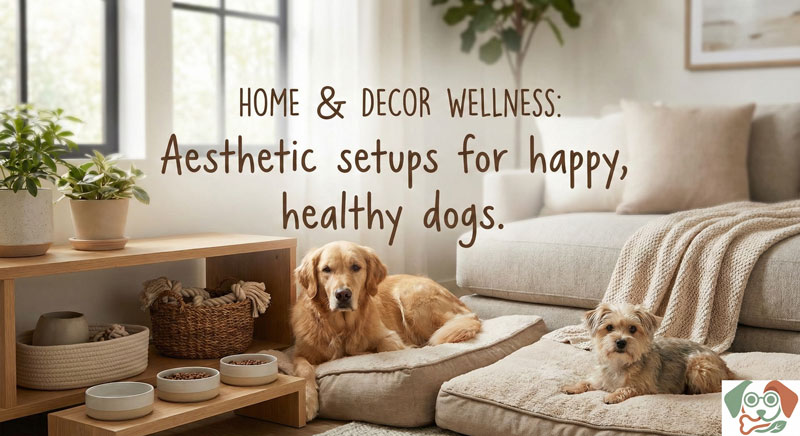
Mudroom setup for dogs: Prevent obesity and keep the entryway aesthetic
Meta description: Create a dog-friendly mudroom that fights obesity with routines and keeps your entryway stylish.
Quick Summary
- A well-planned mudroom can help your dog stay active, eat the right portions, and look neat at the door.
- Use a dedicated space for feeding, leashes, and toys, plus a humane crate setup that encourages good behavior.
- Build simple daily routines that blend short indoor activity with outdoor movement, regardless of apartment or suburban living.
Why This Matters for Your Dog
A tidy mudroom supports steady exercise and proper meals. Dogs thrive on routine, predictable feeding, and mental stimulation. When the entryway is inviting but practical, it becomes a hub for healthy habits rather than an invitation to couch-potato habits. A few thoughtful touches can curb excessive snacking, encourage movement after potty breaks, and keep fur and mud contained.
Common Causes (Key Factors)
- Overfeeding or too many treats between meals.
- Irregular meal times and lack of portion control.
- Too little daily activity, especially during bad weather.
- Easy access to couches or kitchen counters for snacks.
- A cluttered entrance that discourages consistent walks and leash use.
- Crate avoidance or inconsistent crate training.
Step-by-Step What To Do
First: pick the mudroom or entryway space
– Choose a sturdy, easy-to-sanitize area with a non-slip floor mat.
– Add a low, wide storage bench or shelf for daily essentials.
– Put a wall hook rail for leashes, waste bags, and collars.
Next: design feeding and water zones
– Use a small, spill-proof bowl where the dog eats at set times.
– Feed measured portions by weight or cup measure, not by guess.
– Schedule two balanced meals per day (or as advised by your vet) and limit free feeding.
– Keep a separate water station away from the food bowl to avoid spills.
Then: shape daily activity into the mudroom routine
– Short, 10–15 minute indoor activity blocks after each outdoor trip.
– Include 1–2 quick puzzle games or scent games near the mudroom.
– If you have a small apartment, use hallway space for short fetch runs or stair steps when safe.
Also: add a humane crate or resting spot
– Place a crate or crate-compatible bed in the mudroom corner.
– Introduce it with positive reinforcement: treats, praise, favorite toy.
– Keep the door open at first, then gradually use the crate for calm time before and after walks.
Next: establish a practical weekly schedule
– Morning: short walk or sniffari, then a measured breakfast.
– Midday: indoor activity (play or puzzle) for 10 minutes.
– Evening: longer walk or park visit when weather allows; a light snack if needed.
– Weekend: plan a dog park visit or a longer outdoor outing if your dog enjoys it.
Then: address aesthetics and durability
– Use washable mats, BPA-free bowls, and durable bins.
– Color-code storage for easy access (leashes, treats, toys).
– Keep cords and clutter out of reach; use height-appropriate storage.
Finally: apartment vs suburban setups
– Apartment: use vertical storage, slim mudroom cart, wall-mounted hooks, compact crate or under-bench storage; prioritize space-saving activity like hallway fetch or stair-based games.
– Suburban home: a larger mudroom with bench seating, a bigger crate nook, a dedicated water station, and a corner for grooming wipes. You can add a towel warmer or heating pad if your climate requires it, but ensure it’s safe and dog-safe.
Vet visits, parks, and crate training
– Schedule annual wellness checks and age-appropriate vaccinations.
– Discuss weight management with your vet if your dog is overweight or underweight; ask for a safe plan.
– If your dog enjoys dog parks, pick off-peak times and ensure vaccines are current; bring water and a break in the shade.
– Crate training should be gentle and reward-based: start with short sessions near the mudroom, gradually increasing time.
Safety note
– This guidance is for everyday care and routines. It does not replace professional medical advice. If you notice sudden weight changes, lethargy, or pain, consult your veterinarian promptly.
Mistakes to Avoid
- Punishing searches or guarding behavior around the mudroom.
- Free-feeding or giving many treats outside set meal times.
- Skipping crate training or using the crate as punishment.
- Letting the area become a cluttered catch-all instead of a structured space.
- Ignoring weather or safety needs that reduce outdoor activity.
When to Call a Vet or Certified Professional
- Your dog has sudden weight gain or loss, or shows signs of fatigue, limping, or coughing.
- You’re unsure about portion sizes or weight targets.
- You want a tailored weight-management plan or a behavior plan (e.g., crate training, separation anxiety) that fits your home and schedule.
FAQs
- How can I start crate training without stressing my dog? Begin with positive reinforcement, short sessions, and a cozy space in the mudroom. Reward calm behavior near the crate.
- What if my apartment is tiny? Prioritize a compact feeding zone, wall-mounted storage, and short indoor activities (stair steps, hallway toss, scent games) to burn calories.
- How do I know if my dog needs to lose weight? A vet can assess, but you’ll notice a visible waist behind the ribs and a palpable rib bone with a light touch. If you’re unsure, ask your vet for a plan.
- How often should I walk versus play indoors? A mix works best. Daily outdoor activity plus 10-15 minutes of indoor activity can help balance energy and calories.
- Can I use a fancy crate for aesthetics? Yes, but ensure it’s comfortable and inviting for the dog. It should be easy to clean and fit the space.
- Do I need to change the mudroom with seasons? Yes. In winter, keep paths dry and warm; in rainy seasons, improve drainage and cleanup routines.
Your mudroom can be more than a doorway. It can be a daily ally in keeping your dog active, well-fed, and comfortable while helping your entryway stay neat and stylish. With clear routines, humane training, and simple storage, you’ll build a practical space that supports health and happiness for your dog and your home.