
Meta description
Calm lighting and a chew zone help dogs with Hot Spots and anxiety. Practical home setups for apartments and houses.
Quick Summary
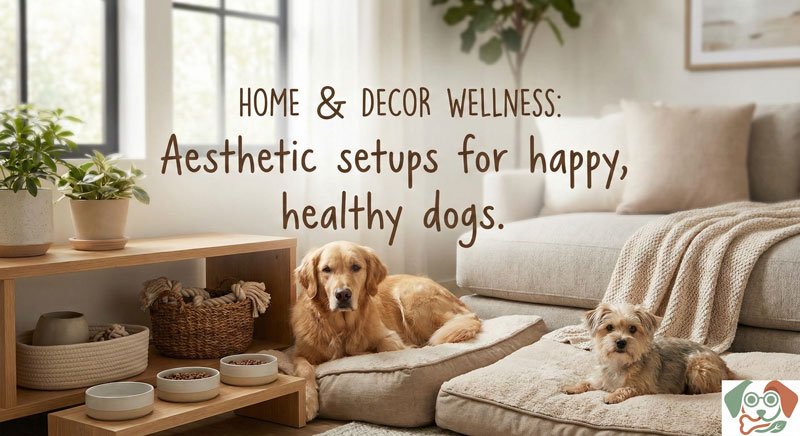
Calm, warm lighting plus a dedicated chew zone can soothe dogs with hot spots and anxiety. Build a cozy, safe station in any home, create a simple daily routine, and use humane, reward-based training. Include crate training where helpful, plan for visits to the vet, and tailor setups to apartment living or suburban homes.
Why This Matters for Your Dog
Dogs read their surroundings through light, texture, and routine. Warm light creates a soothing atmosphere; a chew zone gives a safe outlet for Stress and itching without nudging your dog toward self-harm. A calm setup reduces trigger responses, supporting skin healing and mood. Small changes at home can add up to calmer days, fewer hot spots, and better behavior.
Key Factors
- Hot spots: often from licking, scratching, moisture, or allergy. They need gentle care, not punishment.
- Anxiety: common triggers include noise, separation, clutter, and sudden changes. Predictable routines help a lot.
- Environment: quiet corners, soft bedding, safe chew toys, and proper lighting matter as much as diet and vet care.
Step-by-Step What To Do
1) Create a calm lighting zone
– Pick a quiet corner, away from heavy traffic.
– Use a warm LED lamp (about 2700K) with a dimmer if you can. Natural light in the morning is fine, but keep the area calm at night.
– Use soft fabrics (rug, blanket) to muffle sounds and give a cozy feel.
– Keep screens off or dim to reduce overstimulation.
2) Set up a chew zone
– Place a washable mat or crate mat, a few durable chews, and a puzzle toy in that spot.
– Rotate toys weekly so the zone stays interesting but not chaotic.
– If you crate train, let the chew zone be the crate area or a gated space your dog can retreat to safely.
3) Support hot spots without punishment
– Gently clean the area with a vet-approved cleanser as directed by your vet.
– Keep the dog from licking the spot during healing with humane options like a soft cone or a calm-comfort collar if advised by your vet.
– Talk softly, reward calm behavior, and avoid scolding for scratching or licking.
4) Establish a steady routine
– Consistent feeding times, regular short walks, and scheduled play in the chew zone.
– 5–10 minutes of nose work or puzzle toys midday adds mental fatigue that helps with anxiety.
– Bedtime in a calm area with soft lighting supports sleep.
5) Adapt for apartment vs. suburban homes
– Apartment: designate the chew zone near the living room; use white noise or a fan to dampen outside sounds. Shorter walks with frequent potty breaks fit tighter schedules.
– Suburban: a larger crate area or a corner in a quiet room is fine; a small fenced yard can provide safe outdoor time but still keep the chew zone indoors.
6) Crate training and safety
– Introduce the crate as a comfy den with a blanket and chew toy.
– Use short, positive practice sessions, rewarding calmness and entering the crate with treats.
– If your dog is not comfortable, work slowly and consult a trainer.
7) Practical two-week plan
– Week 1: set up the calm lighting and the chew zone; start a predictable routine.
– Week 2: add light crate training if appropriate; increase puzzle-time and short walks. Note progress and adjust as needed.
Mistakes to Avoid
- Scolding or punishing anxiety or licking; motivation matters more than force.
- Overloading the space with loud sounds or too many toys at once.
- Ignoring persistent hot spots or skin changes; early vet guidance matters.
- Skipping crate training when it could help with safety and routine.
When to Call a Vet or Certified Professional
- Hot spots worsen, become large, oozing, or infected.
- Licking or scratching disrupts eating, sleep, or daily life, or persists beyond a couple of weeks.
- New skin changes or sudden anxiety spikes occur.
- You’re unsure about skin care or a recommended product.
This article does not replace veterinary care. If in doubt, contact your vet promptly for guidance.
FAQs
- What is calm lighting for dogs? Gentle, warm light that reduces glare and agitation, creating a cozy retreat.
- Which toys help anxiety? Durable chews, treat-dispensing puzzles, and rotating toys to keep interest without overstimulation.
- Can pheromone sprays help? Some dogs respond to calming pheromones; try products designed for dogs and monitor effects.
- How much exercise is needed? Most dogs benefit from daily short walks plus mental enrichment; tailor to your dog’s age and energy.
- How do I start crate training? Introduce the crate with treats, keep sessions short, and reward calm entry. Gradually extend time as your dog grows comfortable.
- How long before I see improvement? Some dogs respond in days; others may take a few weeks. Consistency is key.
This calm lighting plus chew-zone approach provides a practical, humane way to support dogs with hot spots and anxiety. With simple apartment or suburban adaptations, you can create a warm, safe home that helps your dog feel secure, heal, and thrive. If you’re ever unsure, a trusted veterinarian or certified trainer can guide you through personalized steps.