
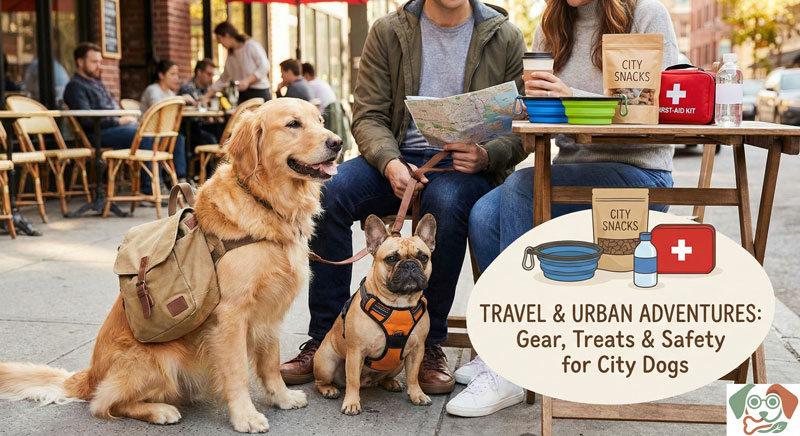
11 photo spots, zero stress: Prevent tartar buildup with chew breaks and outfit swaps
Meta description: Practical, stress-free tips for U.S. dog owners to prevent tartar with chew breaks and fun outfit swaps—plus 11 photo spots.
Quick Summary
- Create a simple daily routine: short chew breaks after meals and a mid-day session.
- Use vet-approved dental chews and gentle brushing when possible.
- Add fun outfit swaps to keep photo days lively without stressing your dog.
- Catch tartar early with photos from 11 realistic home spots (apartment or suburban).
Why This Matters for Your Dog
Dental health affects more than breath. Plaque that isn’t cleaned can harden into tartar, which irritates gums and can lead to infection or tooth loss. Regular, humane dental care supports appetite, energy, and overall happiness. Chew breaks help clean teeth between brushing, and outfit swaps make routine moments feel fresh and positive. You don’t need perfect equipment—just consistency and patience.
Key Factors (Common Causes)
- Plaque buildup from everyday meals and treats.
- Inconsistent dental care or skipped chew breaks.
- Not using dental chews suited to your dog’s size.
- Age-related changes or breed tendencies toward tartar.
- Dehydration or dry mouth can worsen dental issues.
- Stress or fear that reduces interest in chewing.
- Busy schedules making dental care feel like a hassle.
Step-by-Step What To Do
1) Start small. Plan 2–3 short chew breaks per day (5–10 minutes each). Pair with meals for consistency.
2) Pick safe chews. Look for vet-approved dental chews that match your dog’s size and chewing style. Always supervise chew sessions.
3) Embrace outfit swaps. Have 2–3 simple dog outfits (bandana, lightweight harness, comfy sweater) and switch between them for photo days. This keeps photos cute and stress-free.
4) Set up a simple, dog-friendly space. Use non-slip mats, a comfy rug, and easy access to water. Keep chew items in a designated dish.
5) Plan 11 photo spots (see below). Prepare one or two outfits and a few chew options for each spot.
6) Make it a routine. Schedule photo days weekly or biweekly, so your dog learns a calm routine and you build a light, repeatable habit.
7) Track progress. Note how long your dog chews, what wears best, and which outfits get the best smiles. This helps you refine the plan.
8) Prioritize safety and comfort. If your dog shows stress signs, pause, shorten sessions, and use more praise and breaks.
9) Optional but helpful: brush teeth when possible. Even a few strokes with dog-safe toothpaste can support your routine.
10) When in doubt, consult a vet or a certified trainer about dental care and behavior. This article shares ideas, not medical advice.
11 Photo Spots for Zero-Stress Tartar Prevention
1) Kitchen breakfast nook. Your dog sits with a dental chew in a quiet moment after breakfast. Outfit swap idea: bandana one day, plain collar the next. Why it helps: sunny lighting and familiar sounds reduce stress; photos show the chew break in a real routine.
2) Living room couch corner. A cozy setup with a soft blanket and your dog wearing a lightweight sweater or harness. Photo idea: side view to highlight teeth and chew. Why it helps: comfortable space makes chewing feel optional, not forced.
3) Crate training corner. A crate with a chew inside, your dog relaxed and chewing, head resting on a paw. Outfit swap: swap the harness for a cute scarf over the crate area. Why it helps: crate time can be soothing and predictable, reducing stress during photos.
4) Hallway snap by a doorway. Dog standing or sitting with a chew, you in casual home wear. Outfit swap: change from jeans to joggers. Why it helps: simple, everyday setting makes a natural photo that shows routine.
5) Window light moment. Natural light on a rug near a sunlit window with the dog chewing. Outfit swap: different bandana colors. Why it helps: true-to-life lighting makes teeth and gums look healthier and brighter in photos.
6) Balcony or porch corner (apartment or townhouse). A safe, sheltered outdoor spot with a chew and light wear (sweater or vest). Outfit swap: different accessories. Why it helps: a small outdoor space can be a calm staging area that’s still realistic for city living.
7) Laundry room or laundry nook. A quiet, clean corner with a chew and your dog looking toward the camera. Outfit swap: t-shirt vs hoodie style for you and your dog’s look. Why it helps: soft background reduces glare and distraction, making a clean portrait.
8) Backyard or quiet dog park corner. A portable mat, a chew, and a relaxed pose. Outfit swap: different collars or harness colors. Why it helps: a familiar outdoor area gives variety while staying low-stress.
9) Home office desk setup. A rug under your desk, your dog chewing calmly while you work on a laptop. Outfit swap: swap your own top layer or cardigan to create a different vibe. Why it helps: mirrors real life—many owners work from home and want easy, peaceful breaks.
10) Car or driveway moment (parked). A parked car or shaded driveway with a dog chew and a calm pose. Outfit swap: jacket on or off for you; light- colored leash. Why it helps: a controlled environment for a quick, low-stress photo—always ensure safety and never leave your dog unattended in a car.
11) Grooming station or bathroom corner. A small setup with a brush, a mild dental wipe or gel, and a chew. Outfit swap: a simple towel cape for a different look. Why it helps: grooming areas naturally invite calm routines, and you can capture two looks in the same space.
Tips for these spots
– Keep sessions short and sweet. End on a calm, happy note.
– Use one chew per spot to avoid competition and stress.
– Add praise with a soft voice and gentle petting after a session.
– If your dog has dental issues or sensitivities, adjust chew type and session length accordingly.
– Do not force a dog to chew if they’re uninterested; switch to a short walk or cuddle instead.
Mistakes to Avoid
- Forcing long chew sessions when your dog is stressed. Keep breaks short and positive.
- Using hard chews that are not size-appropriate. Always supervise and choose chews designed for dental health.
- Skipping routine days. Consistency matters more than intensity.
- Relying only on chews; brushing teeth or professional dental care is still important.
- Ignoring signs of dental discomfort (bad breath, red gums, difficulty eating). If you see signs, consult a vet.
When to Call a Vet or Certified Professional
- If you notice persistent bad breath, red or bleeding gums, loose or chipped teeth, or a change in eating or chewing behavior.
- If your dog has a history of dental disease or painful chewing.
- This article provides ideas for everyday care, but it is not a substitute for veterinary advice. Seek professional guidance for diagnosis and treatment.
FAQs
- Do chews replace brushing? Chews help reduce plaque but brushing is still best when possible. Use dental chews as a supplement, not a replacement.
- How long should each chew session last? Start with 5 minutes and adjust up to 10 minutes if your dog stays relaxed and happy.
- Can I use any outfit for photos? Yes, aim for simple, comfortable outfits that don’t irritate or frighten your dog. Change outfits between shots to keep it fun.
- Are dog parks good for tartar prevention? Photo spots at a park can be fun, but ensure your dog is comfortable and safe around others. Always supervise and avoid stressful interactions.
- Should I consult a professional for dental care? If dental signs appear or you’re unsure how to care for your dog’s teeth, talk to your vet or a certified veterinary technician about a plan.
If you’re new to dental care, start small and celebrate each calm, chewed moment. The goal is simple: stress-free routines that keep teeth healthier, for a happier, longer life with your best friend.