
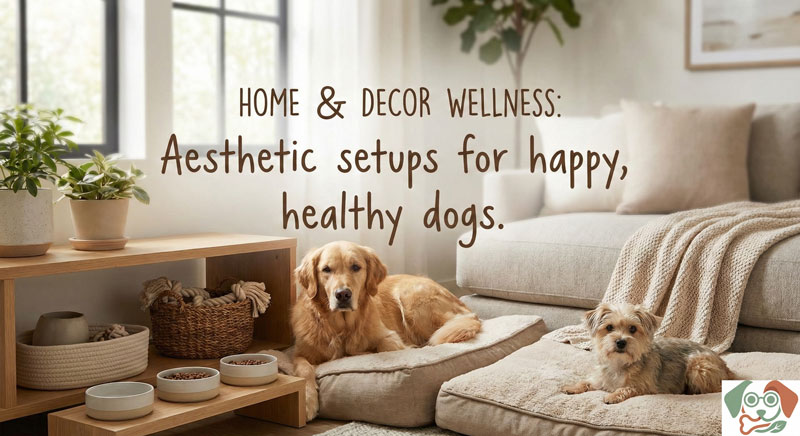
Calm lighting plus chew zone: Home setup for dogs with obesity and anxiety
Meta description: Calm lighting and a dedicated chew zone help dogs manage obesity and anxiety. Practical, reward-based setup for apartments or homes.
Quick Summary
- Use soft, calm lighting to Reduce stress for Anxious Dogs.
- Create a dedicated chew zone with safe toys and puzzle feeders.
- Pair these with steady routines, portion control, and daily enrichment.
- Tailor steps for apartment living or a suburban home with a yard.
- Include vet visits and humane, reward-based training.
Why This Matters for Your Dog
Light affects mood. Gentle lighting helps dogs feel safe, especially if they’re anxious or dealing with change. A designated chew zone gives dogs a reliable outlet for boredom and stress, which can also support healthier weight. When a dog eats mindfully and moves regularly, anxiety often eases and obesity can improve. This approach is humane, practical, and easy to adapt to your space and schedule.
Key Factors (Common Triggers and Drivers)
- Obesity: extra weight loads joints, lowers energy, and can amplify anxiety.
- Anxiety triggers: loud noises, separation, new people, or busy homes.
- Environment: bright, harsh lighting or a cluttered space can increase stress.
- Routine gaps: inconsistent meals, play, or potty times stress a dog.
Step-by-Step What To Do
1) Create a calm lighting plan
– Use warm LEDs, not harsh fluorescents. Aim for soft, diffuse light in the evening.
– Add a dimmer or lamp timer so the home gently eases into nighttime.
– Keep windows shaded in bright sun to avoid glare.
– Create a “calm corner” with a small nightstand lamp that you can switch on for quiet evenings.
2) Set up a dedicated chew zone
– Choose a quiet corner away from the main doorways. Use a small mat or dog bed as a base.
– Pick durable chew items (age-appropriate chews, rubber toys, safe frozen treats) and rotate them to keep interest.
– Add a puzzle feeder or treat-dispensing toy to stretch mealtime and mental effort.
– Keep the chew zone consistent. Your dog will learn this is a safe, calm space.
3) Build a weight management routine
– Feed measured portions at regular times (2–3 meals per day often helps appetite control).
– Use a slow feeder bowl or puzzle feeder to extend meals.
– Limit high-calorie treats. Use small, healthy options (carrot sticks, apple slices, or vet-approved treats) and log them.
– Track progress with a simple weekly weigh-in or a body condition score. Share results with your vet during checkups.
4) Daily exercise and enrichment
– Apartment: aim for at least 20–40 minutes of activity plus 2–3 short sniffing walks per day; break play into several short sessions.
– Suburban home: combine longer walks, yard time, and indoor enrichment. Include scent games and gentle fetch to burn energy.
– Mix in enrichment: treat-dispensing toys, nosework, and short training sessions (5–10 minutes) to challenge the brain.
– End each active period with the calm lighting and chew zone so the dog associates activity with a soothing finale.
5) Safe crate training as a calm space
– Introduce the crate as a cozy den: soft bed, a favorite toy, and a calm atmosphere.
– Use positive associations: feed meals in the crate, toss a treat inside, and praise gently when the dog explores.
– Gradually increase time in the crate with the door open, then closed, keeping sessions short at first.
– Use the calm corner and soft lighting nearby to reinforce safety when crated during times of anxiety.
6) Sleep routine and environment
– Keep a consistent bedtime and wake time.
– Provide a comfy bed in the calm corner or near the chew zone.
– Dim lighting at least 30–60 minutes before sleep to encourage winding down.
7) Vet visits and professional support
– Schedule routine wellness checks and ask for a weight management plan tailored to your dog.
– If anxiety persists or worsens, request a referral to a certified canine behaviorist or trainer who uses humane, reward-based methods.
– Note any changes in appetite, energy, or mood and share them at visits.
8) Practical layouts by home type
– Apartment living: designate a small calm corner near the living area; use a portable lamp, a compact crate, and a tote of rotating toys. Keep daily walk routes predictable to reduce stress.
– Suburban home: a quiet room with a yard-friendly chew zone; plan outdoor sniff walks to satisfy curiosity; a crate can live in a low-traffic area but nearby the family space for comfort.
– In both setups, maintain consistent feeding times, a daily exercise plan, and regular vet check-ins.
9) Build a simple weekly routine
– Morning: 15-minute leash walk or short jog, 5-minute treat puzzle.
– Midday: 10-minute sniff game, rest, and the calm lighting setup.
– Evening: longer walk or play session, then the chew zone for wind-down, and crate time if needed.
Mistakes to Avoid
- Scolding or punishment for anxiety or overeating. Focus on calm, reward-based guidance.
- Overfeeding or free feeding. Keep portion control and treat limits aligned with your vet’s guidance.
- Inconsistent routines. Aim for predictable meals, walks, and sleep times.
- Ignoring enrichment. Boredom fuels anxiety and overweight.
- Overloading with new activities at once. Introduce changes gradually to avoid stress.
- Relying on harsh lighting or loud environments. Soft, controlled lighting reduces arousal.
When to Call a Vet or Certified Professional
- Sudden, unexplained weight change or persistent obesity despite effort.
- Signs of pain, lethargy, or unusual behavior.
- Anxiety that interferes with eating, sleeping, or basic safety.
- You want a formal weight plan or a behavior plan from a pro.
Note: This article is informational and not a substitute for veterinary or professional care. Always consult a veterinarian for health concerns and a certified trainer or behaviorist for training-specific guidance.
FAQs
- Can I crate-train my dog if they’re anxious? Yes. Use positive experiences, short sessions, and gradual exposure. The crate should feel safe, not punitive.
- How do I know if my dog is overweight? A simple check is feeling the ribs with gentle pressure; you should be able to feel them, not see them protruding. Your vet can confirm body condition score.
- What if I live in an apartment and have thin walls? Choose quiet, low-stimulation toys and avoid loud squeakers. Use soft music or white noise to reduce external sounds that may trigger anxiety.
- How long should I keep the chew zone active? It varies by dog. Start with 5–10 minutes of focused chew time, then extend as your dog remains calm and engaged.
- How often should I visit the vet for obesity? A check-in every 6–12 months is common, but follow your vet’s plan. If there’s rapid weight change, schedule sooner.
If you’d like, I can tailor this plan to your exact living situation, your dog’s age, breed, and current weight, and help you map a one-month starter routine.