
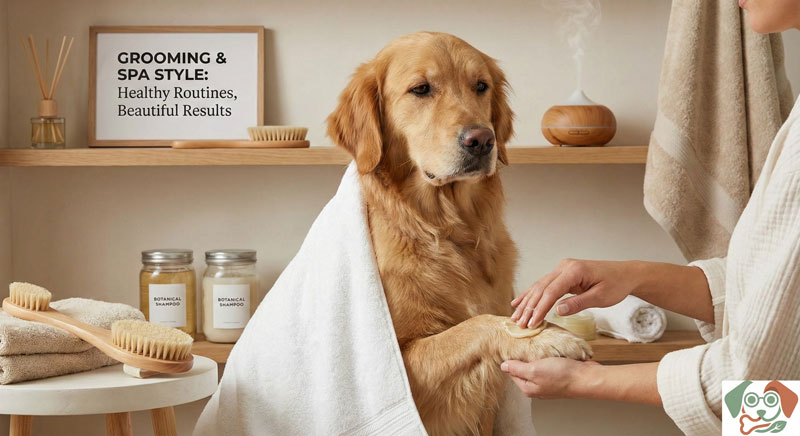
Salon vs home grooming: Which helps overheating more and keeps the style intact
Meta description: Salon or home grooming? Learn which keeps your dog cooler and styled, with practical steps for apartments and suburbs.
Quick Summary
- Climate control matters. Salons are often temperature-regulated; home grooming gives you control but can heat up if tools stay on too long.
- For overheating prevention, plan, pace, and purpose. Shorter sessions, cooler air, and plenty of water help in both setups.
- Coat type and breed matter. Double coats may need special care in heat; fine-tuning length and style helps cooling while staying cute.
- A mixed approach can work: occasional salon visits plus steady home maintenance, tailored to your dog’s routine (apartment life or suburban yard).
Why This Matters for Your Dog
Grooming shapes how well your pup handles heat. A coat that’s too long or uneven can trap warmth, while a coat that’s too short may expose skin and cause stress in some breeds. Salons offer consistent finishes and climate-controlled spaces; home grooming gives you tempo and safety when you’re mindful of heat, noise, and scheduling. With a practical plan, you can keep your dog comfortable, stylish, and happy through summer, crate training routines, park visits, and vet checkups.
Key Factors
- Environment: Apartment life tends to be hotter inside if windows face sun; suburban yards may offer shade but also exposure.
- Coat type: Double coats or thick undercoats trap heat; short coats shed heat more readily.
- Session length: Long grooming sessions raise heat exposure, especially with blow dryers.
- Equipment: High-heat or poor-ventilation dryers raise risk; cool air or fan-assisted drying lowers it.
- Temperament: Calm dogs tolerate longer sessions better; anxious or reactive dogs may overheat faster.
- Hydration and breaks: Water breaks and short pauses prevent overheating and improve safety.
- Routine: Regular brushing reduces matting and heat buildup; consistent trims maintain style without stressing coat.
Step-by-Step What To Do
Track A: Salon grooming
1) Pick a climate-controlled shop. Ask about dryer temperatures and airflow; request a cool air setting if available.
2) Schedule regular visits. For most breeds, a trim every 4–8 weeks works with growth and heat management.
3) Share your goals. Tell the groomer your dog’s temperament, any heat concerns, and preferred style length.
4) Prepare your dog. Brush quickly at home the day before to Reduce detangling time; bring a favorite toy for calmness.
5) On the day: arrive early, bring water, and pick a quiet corner. Short breaks help if your dog looks stressed.
6) Post-groom care. Cool towels or a light rinse, then a shaded walk or crate time in a ventilated area.
Track B: Home grooming
1) Set up a cool, quiet space. Use a non-slip mat in a well-ventilated room; have water handy.
2) Choose the right tools. Gentle brush, grooming scissors or clippers with safety guards, dog-safe shampoo, and a cooler dryer setting (or a room fan).
3) Plan shorter, frequent sessions. For many dogs, 15–20 minutes is enough to brush, trim nails, and softly shape fur.
4) Use cool air for drying. If you use a dryer, keep it on a cool or low-wind setting and move it constantly to avoid overheating skin.
5) Focus on safe trimming. Don’t trim too close to the skin; maintain a comfortable coat length based on breed, season, and activity.
6) Integrate routines into daily life. Use quick brushing after walks, or gentle grooming before crate time to reduce stress.
Apartment vs. suburban home examples
– Apartment: Small space, higher need for quick, calm sessions. Dryers on cool, a hand-held brush, and a fan are your best friends. Morning or evening sessions help avoid peak heat. Use a crate or mat in a cool room post-groom to reduce stress.
– Suburban: You may have a yard for outdoor brushing, or a garage setup with a fan. Longer sessions are feasible with breaks, plus a regular bath day scheduled around outdoor activities like park visits. Use a spray bottle with cool water for a quick refresh between trims.
Daily lifestyle integration
– Routine: Brushing daily or every other day, with a longer grooming session once a week or every two weeks, depending on coat and breed.
– Exercise: Schedule playtime and walks during cooler parts of the day, especially after grooming sessions.
– Vet and parks: Plan grooming around vet visits and after park days when coats can pick up dirt and heat. If you board or attend dog parks, a neat coat helps hygiene and cooling.
– Crate training: Combine calm grooming with crate time to create a predictable, low-stress routine.
Mistakes to Avoid
- Overheating during grooming: Avoid long, uninterrupted sessions with high-heat dryers; give breaks and use cool air.
- Trimming too short: This can raise heat exposure and skin sensitivity, especially in hot weather.
- Skipping hydration: Ensure fresh water before, during, and after grooming.
- Rushing through coats: Proper brushing removes mats that trap heat; rushing undermines both safety and style.
- Neglecting nails or ears: Even well-groomed dogs need regular nail trims and ear care to stay comfortable.
When to Call a Vet or Certified Professional
- Signs of overheating: Excessive panting, drooling, confusion, staggering, bright red gums, vomiting. Move to shade, offer water, and seek care if these persist.
- If you’re uncertain about coat care for a specific breed or coat type, a certified groomer or vet can advise on length, tools, and technique.
- Note: This article is general information. It is not a substitute for veterinary care. If your dog has medical conditions or you’re worried about overheating, contact your veterinarian.
FAQs
- Can I get a salon-style finish at home? Yes, with the right tools, practice, and patience. Start with simple trims and progress gradually.
- How do I know what coat length is best in heat? Shorter coats can help cooling in hot climates, but some breeds rely on their coat for protection. Ask a groomer or vet for breed-specific guidance.
- How often should I bathe my dog? It depends on breed, activity, and skin health. Use a mild shampoo and avoid over-washing, which can dry skin.
- Are brachycephalic dogs more at risk? Yes. They’re more prone to overheating; shorter grooming sessions and steady cooling strategies are important.
- How do I keep tools safe and clean? Clean clippers after use, lubricate as recommended, and store in a dry place away from pets.
Final thought
Both salon and home grooming can help your dog stay cooler and look great, when done with care. The best approach depends on your dog’s coat, temperament, and your living space. With a practical plan—whether you’re in an apartment or a suburban home—you can protect your pup from overheating, keep their style, and enjoy regular, stress-free grooming moments.