
Hiking with style: Booties plus fuel plan for overexcitement and joint support
Meta description: Protect paws, fuel hikes, and support joints with booties and a practical plan for calm, happy outings.
Quick Summary
- Booties protect paws from rough trails, heat, and cold. Choose snug, comfortable fits and break them in at home.
- A simple fuel plan keeps energy steady: planned meals, portable snacks, and plenty of water during hikes.
- Joint support comes from a vet-approved approach: conditioning, proper weight, and discussion about supplements if needed.
- Start slow, train for calm excitement, and use crate training and routines to make hikes safe at apartments or suburbs.
- Check paws after every hike, and know when to call a vet or pro for advice.
Why This Matters for Your Dog
Dogs share our love of the outdoors, but hiking adds pace and terrain that can challenge paws and joints. Boots protect pads from sharp rocks, hot pavement, and icy trails. A steady fuel plan helps prevent overexcitement that leads to risky pulling or jumping. Small tweaks to daily routines—whether you live in a compact apartment or a roomy suburb—make hikes safer, more enjoyable, and easier to fit into busy schedules. With humane, reward-based training and a calm routine, you’ll both gain confidence on the trail.
Key Factors (Common Causes)
- Overexcitement on approaching trails or during greetings at the start of a hike.
- Paw hazards: sharp rocks, hot surfaces, ice, or sand.
- Poor boot fit or insufficient break-in time.
- Dehydration or inconsistent hydration during a hike.
- Inadequate warm-up and cooling down, especially for aging dogs.
- Diet and timing that lead to crankiness or energy spikes.
- Pre-existing joint issues that need vet guidance.
Step-by-Step What To Do
1) Pick the right booties
– Look for soft fabric uppers, non-slip soles, and a secure strap or Velcro. Avoid hard, rigid shells that rub.
– Measure paws when your dog is standing. Shoe size should be snug but not tight; there should be a little wiggle room for toes.
– Start with a two-pair trial set to test fit on the front and back paws.
2) Fit, break-in, and at-home practice
– Introduce booties for 5–10 minutes at a time in a quiet room or on a balcony. Reward with treats and praise.
– Check for hotspots after each session. If you see rubbing, switch the size or adjust straps.
– Build up to longer wear on empty stomachs early in the day, then gradually on gentle walks around your apartment hallway or yard.
3) Prep for the hike
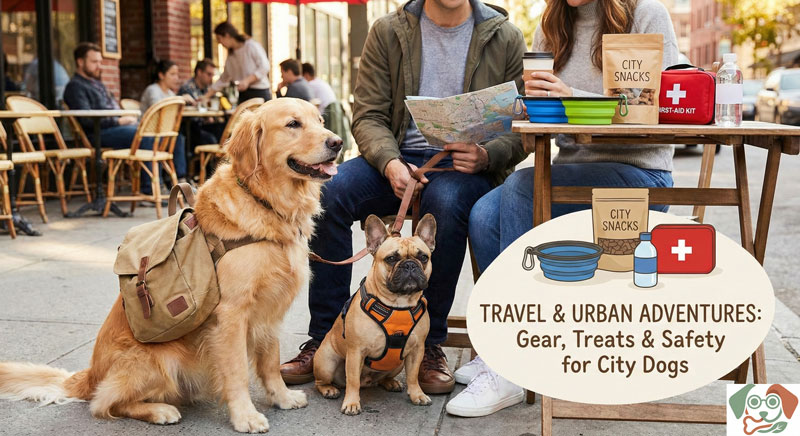
– Pack: collapsible bowls, a lightweight water bottle, a small first-aid kit, poop bags, and a few dog-safe treats.
– Trail choice: start on gentle, shaded routes near home in apartments or suburban neighborhoods before longer, rocky hikes.
– Conditioning: start with 15–20 minute strolls; add 5 minutes every few days if your dog is steady and comfortable.
4) Fuel plan for energy and joints
– Before the hike: offer a light meal 2–3 hours before or a small snack closer to departure, depending on your dog’s digestion.
– During the hike: bring small, easily digestible treats or chews. Offer water at regular intervals and at least every 20–30 minutes on warm days.
– After the hike: provide a balanced meal within a couple of hours. Include a mix of protein, healthy fats, and fiber to aid recovery.
– Joint support: discuss with your veterinarian about omega-3s, glucosamine, or other joint-friendly options. Avoid adding anything without veterinary guidance, and follow product labels and vet advice.
5) Training steps for calm excitement
– Use a loose leash and practice “watch me” and “sit” or “wait” commands before crossings or rockier sections.
– Reward calm behavior at trailheads, on narrow paths, and at water crossings.
– If excitement spikes, switch to a slower, controlled pace and take a short break to reset.
6) Safety and routines for home life
– Apartment living: schedule hikes after meals or during favorable weather; use stairs and small indoor fetch to manage energy.
– Suburban life: incorporate a short warm-up jog or brisk walk before longer hikes to reduce sudden bursts of energy.
– Crate training: use a crate for travel to keep booties clean and prevent chewing during transit. Build a routine so the dog associates the crate with safety and rest.
7) Aftercare and paw checks
– Remove booties and inspect paws for redness, irritation, or stuck debris.
– Clean paw pads with warm water; dry thoroughly to prevent chafing.
– Store booties in a dry place between hikes.
Mistakes to Avoid
- Choosing booties that are too loose or too tight and skipping a proper break-in.
- Skipping water breaks or hiking in extreme heat or cold.
- Feeding a large meal right before a hike or underfeeding before a long trek.
- Rushing the conditioning schedule; piling on long hikes too soon.
- Ignoring small paw signs of irritation or injury.
- Relying on supplements without vet guidance.
When to Call a Vet or Certified Professional
- If you notice persistent limping, swelling, or bleeding after a hike.
- If paw pads show open sores, cracks, or extreme redness that does not improve with cleaning.
- If your dog has a history of joint problems and you’re unsure about a fueling or exercise plan.
- If your dog is showing unusual fatigue, coughing, or difficulty breathing during or after activity.
- If you’re considering joint supplements, discuss timing and safety with your veterinarian.
Vet disclaimer: This post provides general care ideas. It does not replace professional medical advice. For health concerns or new supplements, consult your veterinarian.
FAQs
- Do booties hurt dogs? With proper fit and break-in, most dogs tolerate booties well. Start slowly and reward calm behavior.
- How do I know booties fit? There should be no slipping when your dog walks, and toes should have a bit of free movement. Check after a few minutes of walking.
- Can I hike with an overexcited dog? Yes, with a plan. Use calm commands, short breaks, and gradual conditioning to help boredom and overstimulation.
- How should I time meals around hikes? A light meal 2–3 hours before hiking, plus small snacks or treats during the hike, often works well. Always follow your vet’s advice for your dog.
- What about joint health for my dog? Discuss your dog’s age, weight, and activity level with your vet. They can suggest a plan including diet, conditioning, and any approved supplements.
- Are apartment dogs okay for hikes? Absolutely. Start with shorter, low-stress routes and gradually extend the duration as your dog acclimates to booties and the routine.
With a thoughtful approach—booties that fit, a steady fueling plan, and kind, reward-based training—you and your dog can enjoy safer, more stylish hikes. Tailor the routine to your home and lifestyle, and check in with a vet or certified trainer if you’re unsure about joints or supplements. Happy trails!