
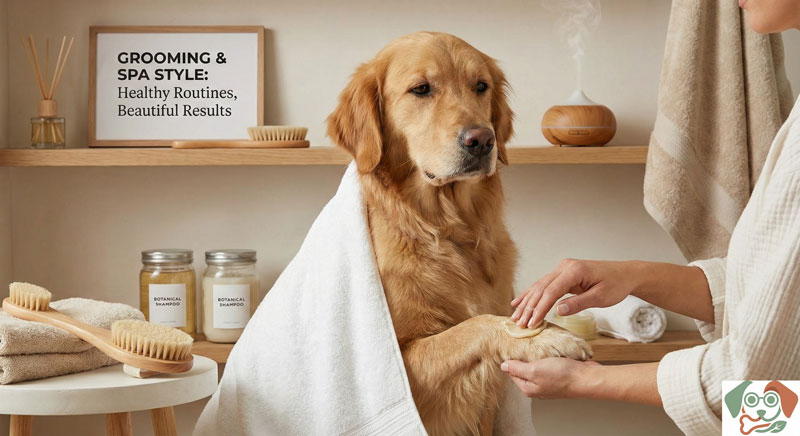
Meta description: Salon vs home grooming: stress, style, and practical tips for apartment and suburban dogs.
Quick Summary
- Both salon and home grooming affect your dog’s stress and how well their coat holds its style.
- Home grooming reduces car rides and unfamiliar smells; salons offer professional finishes and social exposure.
- A flexible plan (hybrid) often works best: routine care at home, with periodic salon visits for trimming, baths, or breed-specific styling.
- Set up a calm grooming routine at home, using small, frequent sessions and positive reinforcement.
- Choose what fits your dog’s temperament, coat type, living space, and budget.
Why This Matters for Your Dog
Grooming is more than looks. It changes how your dog feels day to day. Stress cues show up as lip licking, yawning, stiff posture, backing away, or tucked tail. If grooming is calm and predictable, dogs feel safer, sleep better after sessions, and keep a neat style longer. On the flip side, a harsh or rushed experience can make grooming harder next time. The good news: you can tailor a plan to apartment life or a suburban home, and you can adjust as your dog grows with you.
Common Factors (Key Factors)
- Stress sources: salon smells, loud dryers, unfamiliar people, and car rides vs. a familiar home space.
- Coat and skin needs: long coats, mat-prone fur, sensitive skin, nail length, and ear care all affect how you groom and how often.
- Schedule and routine: consistency beats intensity. Short, regular sessions beat long, infrequent ones.
- Environment: apartments may have limited space and noise considerations; suburban homes often have more room and access to a yard or hose for rinsing.
- Tools and safety: proper brushes, clippers (if used), nail clippers, towels, and a non-slip surface matter for safety and comfort.
- Breeds and temperament: some dogs tolerate baths easily; others need gradual desensitization and more reward-based breaks.
Step-by-Step What To Do
Path A: Salon Grooming (for a professional finish or a break from home routines)
Step 1 — Research and choose well: Look for certified groomers who understand gentle handling. Ask how they reduce stress (e.g., break sessions, pheromone sprays, treats, or quiet rooms). Read reviews from local dog owners.
Step 2 — Prep your dog: In the week before the appointment, do short practice rides in the car, if your dog tolerates car travel. Bring a familiar item (a favorite toy or blanket) and your dog’s regular leash.
Step 3 — Day of visit: Arrive early or on time. Bring a familiar crate or soft bed if the salon offers a private space. Feed a light meal earlier in the day to avoid overt hunger or crabbiness. Bring a small amount of your dog’s usual shampoo or any skin-related products your vet suggested (only if the salon allows). Let staff know any stress cues to watch for.
Step 4 — Post-visit care: Give a calm, short walk or playtime after the appointment. Monitor for any skin irritation or unusual sensitivity after grooming. Use treats and praise to reinforce calm behavior for future visits.
Step 5 — Maintenance at home: Brush between visits to keep the style intact, reduce matting, and curb shedding. Note what styles hold best between visits so you can plan next steps.
Path B: Home Grooming (for stress control and ongoing maintenance)
Step 1 — Gather basics: Slicker brush or pin brush, comb, dog-safe shampoo, towels, non-slip mat, nail clippers, dog-safe ear cleaner. If you plan to clip, start with small areas or seek a humane, dog-specific approach.
Step 2 — Create a calm setup: A quiet room, soft music or ambient noise at a low level, and rewards (tiny treats) ready. Use a grooming table or sturdy, non-slip surface at a low height to reduce fear of heights.
Step 3 — Short, rewarding sessions: Begin with 5–10 minute sessions, then gradually increase as your dog stays calm. End every session with a favorite toy or a treat.
Step 4 — Brushing and bathing: Brush first to remove loose fur and mats. Use lukewarm water and a mild, dog-safe shampoo. Rinse well and dry with towels; finish with a gentle blow-dry on low heat if your dog tolerates it.
Step 5 — Nail care and ears: Trim nails only to the quick’s edge, avoiding over-cutting. Clean ears gently and check for redness or discharge. If you’re unsure, pause and consult a vet or groomer.
Step 6 — Style maintenance at home: For short styles, light trims with careful, small snips can help keep a neat look. For long styles, schedule routine brushing and periodic professional trims to prevent over-matting.
Step 7 — Connect to daily routines: Tie grooming to daily life—after a walk, during crate time, or after quiet play. Use crate training to create safe, calm moments that double as desensitization to handling.
Hybrid approach ideas: If your dog handles some grooming well at home, do the routine you can manage confidently, and book a salon visit for more complex styling or seasonal shedding. For many dogs, a mix of home grooming for upkeep and a quarterly or bi-monthly professional grooming maintains stress levels and style reliability.
Mistakes to Avoid
- Rushing or forcing a dog through a session. Take breaks and reward calm behavior.
- Using human shampoo or hot water. Always use dog-specific products.
- Clipping nails too short or trimming too close to the quick. Stop if your dog shows strong stress signals or moves away.
- Skipping brushing because you’re short on time. Regular brushing prevents mats and makes styling easier later.
- Forcing unfamiliar tools: introduce one new tool at a time with treats and praise.
- Ignoring signs of skin problems or pain. If you see redness, swelling, or unusual discharge, pause grooming and contact a vet.
When to Call a Vet or Certified Professional
- If you notice persistent skin irritation, unusual lumps, or repeated itching or scratching after grooming.
- If your dog shows severe fear, aggression, or extreme stress that doesn’t ease with gradual desensitization.
- If nails are very hard to trim or you suspect quick bleeding or injury.
- If you plan to start clipper use for longer coats and your dog has a sensitive skin condition, chronic ear issues, or a medical concern.
- If you’re ever unsure about coat care, skin health, or safe grooming techniques, seek guidance from your veterinarian or a licensed groomer.
Vet disclaimer: This article provides general grooming guidance. It does not replace professional veterinary advice. If you notice signs of illness, pain, or infection, contact your veterinarian promptly.
FAQs
Q: Do dogs hate salons, or can grooming be a positive experience?
A: Most dogs can learn to tolerate or even enjoy a salon visit when handled gently, with familiar items, short sessions, and positive rewards. A skilled groomer can help desensitize fears over time.
Q: How can I tell which plan is best for my dog’s stress level?
A: Start with home care for short sessions. If your dog remains calm, you can gradually extend time. For dogs with matting, scent anxiety, or skin concerns, a professional grooming visit every 6–8 weeks may help maintain style while reducing stress.
Q: How often should I groom at home for an apartment dog vs. a suburban dog?
A: Apartment dogs often benefit from shorter, more frequent sessions to minimize noise and space constraints. Suburban dogs may have more outdoor time and space, but regular brushing and nail care still prevent mats and discomfort. Aim for at least weekly brushing, with baths every 4–6 weeks unless advised otherwise by your vet.
Q: What if my dog won’t sit still for brushing or bathing?
A: Break sessions into tiny steps, pair handling with rewards, and use desensitization. Short, positive sessions help more than long, pressured ones. If needed, seek a trainer who uses humane, reward-based methods to ease the process.
Q: Is nail trimming dangerous?
A: With proper technique and short sessions, nail trimming is safe. If you see the quick, avoid cutting into it. If you’re unsure, have a professional show you the correct method.
Q: How do I balance cost with quality?
A: A small, consistent home grooming routine is cost-effective. For styling you love, seek a reputable salon with good reviews and a friendly environment. Consider hybrid care to spread costs and reduce stress for your dog.
If you’re a first-time dog owner, start with small, joyful grooming sessions at home, and build up to longer routines as your dog grows more comfortable. A calm, rewarding approach helps your dog feel secure while you keep their coat clean and stylish. With thoughtful planning, you can protect your dog’s mood, health, and happiness—whether you live in an apartment or a spacious suburb.