
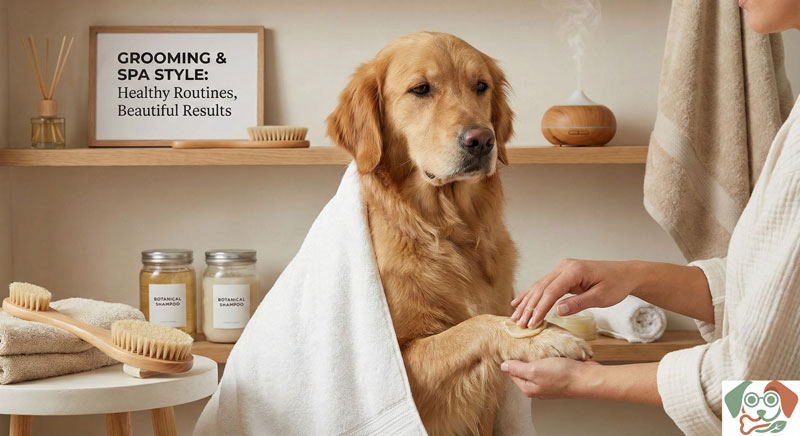
Meta description: A warm, practical guide to preventing matting in arthritis-affected curly coats with everyday steps for apartment and suburban homes.
Quick Summary
- Curly coats mat easily, especially when arthritis slows your dog’s movements.
- Daily, gentle brushing and simple grooming tools make a big difference.
- Use a soft harness, not a neck collar, to reduce strain during walks and grooming.
- If a mat won’t brush out or your dog seems sore, seek professional help.
- Build small, positive grooming sessions into home routines—reward-based, humane care.
Why This Matters for Your Dog
Matting can sting, trap dirt, and irritate skin. For dogs with arthritis, brushing sessions can be uncomfortable if you rush or yank. A calm, steady routine keeps coats clean and joints happier. A well-groomed dog also feels more comfortable moving, cooling down, and enjoying daily activities like apartment strolls or park visits. Small, consistent actions beat big, painful detours.
Common Causes
- Curly coats that tangle easily, especially under the chest, behind the ears, and at the hind legs.
- Irregular brushing or long gaps between grooming sessions.
- Wet fur that dries into tight mats in warm or humid climates.
- Slower movement due to arthritis, making brushing sessions feel longer or more tiring.
- Friction from dirty or damp hair rubbing on skin.
Step-by-Step What To Do
1) Set up a comfortable grooming space
– Apartment: A small, quiet corner with a non-slip mat works. Use a bean bag chair or low stool so you don’t bend or reach awkwardly.
– Suburban home: A knee-height table or a sturdy chair setup can help. Keep towels, a spray bottle, and brushes within reach.
– Keep a warm, low-distraction environment and offer a small treat after each session.
2) Gather the right tools
– Soft bristle brush for daily touch-ups.
– Pin brush or slicker brush for lifting gentle mats (use light pressure).
– Dematting comb or steel comb with rounded teeth for freed mats.
– Detangler spray or conditioning spray designed for dogs (test on a small area first).
– Nail clippers, dog-safe shampoo, and a towel.
– A lightweight, comfortable harness (front-clip if possible) and a regular, snug-well-fitting collar for outings—avoid tugging on the neck.
3) Build a short, daily brushing routine
– Do 5–10 minutes per session. Short sessions reduce joint strain and keep it manageable.
– Start at the chest and shoulders, then move to the back, hips, and legs.
– Use slow, gentle strokes with the grain of the fur. Reward with treats and praise.
– If you encounter a knot, pause, apply a small amount of detangler, and work it from the outside in with light, patient motions.
4) Target problem areas first
– Focus on under the chin, between the front legs, the armpits, and around the hind legs—these spots mat fastest.
– Lift legs gently to check for mats around the groin and paws. Kept clean coats stay healthier and more comfortable.
5) Bathing and drying (as needed)
– Use a mild, dog-safe shampoo. Rinse thoroughly to prevent residue that can fray fur.
– After a bath, gently towel-dry, then use a low-heat blow-dry set on a low speed if your dog tolerates it. Keep the dryer moving and at a safe distance to avoid heat on the skin.
– Dry in sections to prevent damp spots that can turn into mats later.
6) How to handle mats that won’t brush out
– For small mats, spray detangler and brush gently—work patiently from the edges toward the center.
– For larger mats, use a dematting tool with caution. If you’re unsure, stop and seek a professional groomer’s help. For safety, never yank or use excessive force.
7) Outfit and gear considerations to help prevent matting
– Use a soft, well-fitting harness instead of a neck collar during walks to reduce neck strain and friction.
– Consider a lightweight, warm dog coat if your dog gets chilly, but choose fabric that dries quickly to avoid damp fur that matts as it dries.
– If your dog has arthritic hips or knees, a coat with a simple front closure can help your dog stay comfortable without needing you to bend or twist.
8) Integrate with daily life
– Apartment routines: quick after-dinner brushing before bedtime can help keep mats away and joints comfy.
– Suburban routines: a mid-day 5–7 minute brushing session after a short walk can break up longer grooming sessions.
– Crate training: use brushing as a calm bonding activity before crate time. Keep sessions positive with treats and gentle praise.
9) Routine veterinary care and professional grooming
– Schedule regular check-ins with your veterinarian about arthritis management and coat health.
– Plan professional grooming every 6–8 weeks, more often if mats form quickly.
– A groomer can safely trim stubborn mats and advise on coat care tailored to your dog’s fur type.
10) Keep eyes on the joints during grooming
– Watch for signs of discomfort: stiff movements, reluctance to be touched in certain spots, lip-licking, or heavy breathing.
– If brushing causes noticeable pain, stop and reassess your technique, tools, and session length. Consider a veterinary consult to address arthritis-related pain.
Mistakes to Avoid
- Forcing through knots or mats with force or sharp tools.
- Skipping brushing for several days, then attempting long sessions.
- Brushing in the same direction without checking for mats or sensitivity spots.
- Using hot tools, harsh chemicals, or human hair products on your dog’s coat.
- Ignoring changes in mood, appetite, or activity that may indicate pain or skin issues.
- Waiting until mats are severe enough to require shaving—this is stressful for the dog and can disrupt daily routines.
When to Call a Vet or Certified Professional
- Your dog shows persistent pain when touched or brushed.
- Mats are severe, tight, or near the skin, or there are signs of skin irritation, redness, swelling, or infection.
- You notice hair loss, hot spots, or a foul odor near the coat.
- Arthritis symptoms seem to worsen, or mobility declines despite treatment.
- You need guidance on a brushing plan tailored to your dog’s age, health, and coat type.
Note: This article provides general grooming tips. It does not replace veterinary advice or diagnosis. For health questions or medication needs, consult your veterinarian.
FAQs
-
How often should I brush a curly-coated dog with arthritis?
Aim for daily 5–10 minute sessions. Short, consistent sessions help joints and coat health. -
Can brushing prevent matting in all seasons?
Yes. Regular brushing helps year-round, especially in humid or rainy weather when fur mats more easily. -
What if my dog hates brushing?
Use a reward-based approach: small treats, calm voices, and frequent pauses. Short sessions build trust over time. -
Should I shave a curly coat to prevent mats?
Some owners prefer trimming heavy mats or using a professional cut to reduce maintenance. Shaving can be stressful for some dogs and changes coat protection, so discuss options with your groomer. -
Are there products that help with arthritis and grooming?
Your vet can suggest joint-support options and safe grooming products. Use only dog-safe detanglers and shampoos. -
Do dog parks affect matting?
More activity can loosen fur, so brush after outdoor time to remove dirt and prevent tangling. -
How do I tell if a mat is causing skin problems?
Look for red, irritated skin, an odorous area, or your dog reacting with pain when you touch the area. If you see signs, consult your vet or a professional groomer. -
Is a professional groomer safe for an arthritic dog?
Yes. A trained groomer can safely handle mats and provide coat care while minimizing stress on joints. Communicate your dog’s arthritis openly.
If you follow these steps and keep daily grooming gentle, your curly-coated dog can stay mat-free and comfortable, even with arthritis. Small, steady routines beat big, painful sessions. Your dog will thank you with brighter fur, happier movement, and more confident days.