
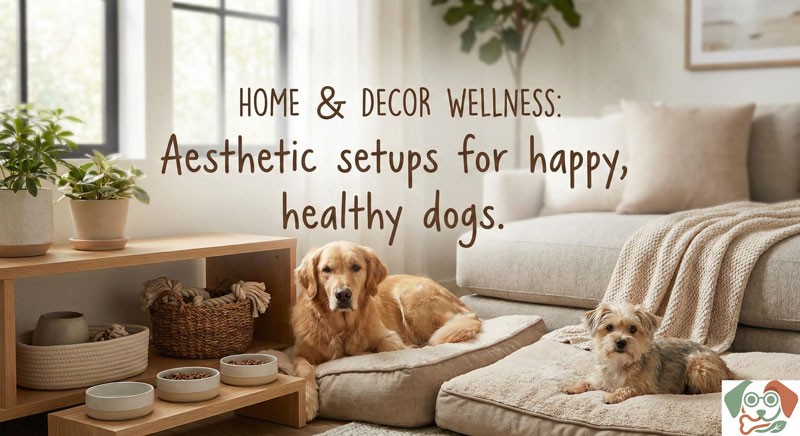
The 2026 pet-safe decor guide: Reduce Low Energy without harsh materials
Meta description: A 2026 pet-safe decor guide to Reduce energy waste and risk, using gentle, non-toxic materials for your dog.
Quick Summary
- Create a cozy, calm home with dog-safe decor that uses gentle, non-toxic materials.
- Swap harsh, sharp, or toxic decor for soft fabrics, sturdy pet furniture, and cord management.
- Tailor rooms for apartments or suburban homes. Include crate training, daily walks, and safe play.
- Use a simple audit, easy replacements, and routine care to reduce stress and boost safety.
Why This Matters for Your Dog
A calm, safe home supports your dog’s health and happiness. Pet-safe decor limits hazards, reduces stressful environmental cues, and helps you sleep better too. When decor is welcoming and predictable, dogs learn faster, stay calmer, and avoid injuries from sharp corners, loose cords, or toxic plants. This guide keeps things practical for everyday American homes—apartment living or a suburban house—with clear steps you can take this week.
Common Factors
- Harsh or sharp decor: metal edges, glass accents, exposed nails.
- Loose cords and wires: tangle hazards and chewing risk.
- Non-slip but hard surfaces: tiles or slick floors that cause slips.
- Toxic plants or scented products: risk to noses and stomachs.
- Clutter and poor lighting: visual stress for dogs.
- Inconsistent routines: energy spikes from unpredictable days.
- Crates and beds far from family hub: isolation can increase stress.
Step-by-Step What To Do
1) Do a quick space audit
– Walk through your home with a dog’s eye. Look for sharp edges, cords, tall decor that can topple, and plants that could be toxic.
– Note which rooms your dog uses most (living room, kitchen, entry), and where crate or bed would fit.
2) Replace harsh materials with pet-safe options
– Use soft, durable fabrics for throws and cushions (washable, light-colored to spot dirt).
– Pick furniture with rounded edges and sturdy construction. Secure heavy pieces to walls if needed.
– Swap risky plants for dog-safe varieties (spider plant, Boston fern, areca palm) and keep toxic plants out of reach.
– Choose non-slip rugs and washable runners to cut down slips and track dirt.
3) Tidy cords, wires, and clutter
– Bundle cords in cord organizers or race them along baseboards behind furniture.
– Use cord covers or outlet boxes to hide and protect cables.
– Keep toys and chew items in a dedicated bin or basket to reduce chaos.
4) Create one or two dog-friendly zones
– Apartment: a cozy crate or bed near family areas; add a soft blanket and a chew toy. Keep the zone within sight of you.
– Suburban home: set up a calm zone with crate, bed, and a couple of enrichment toys near the living room or kitchen for easy supervision.
5) Light, scent, and calm decor
– Favor warm, steady lighting over flickering or very bright lights.
– Use unscented cleaners and opt for water-based, dog-safe sprays if you refresh decor.
– Avoid essential oils or strong perfumes in spaces your dog visits (some dogs are sensitive).
6) Enrichment and energy balance
– Daily walks, short training sessions, and puzzle toys help burn energy calmly.
– Rotate toys so your dog stays engaged without overstimulation.
– Schedule crate time or quiet time after meals to help digestion and rest.
7) Adapt for apartment vs. suburban living
– Apartment: prioritize vertical space—wall shelves with dog-safe decor, a window perch, and a portable mat for naps.
– Suburban: allocate a dedicated yard area with shade, a chew-friendly fence line, and a weather-friendly mat by the door for comfy transitions.
8) Routine care and vet touchpoints
– Schedule regular vet visits and vaccines per your vet’s guidance.
– Keep a simple daily routine: morning walk, play, crate time, and a calm evening routine.
– Bring up any concerns about energy, appetite, or behavior at routine checkups. Vet disclaimer: this article is for planning and safety; it does not replace personalized veterinary advice. For health concerns, contact your veterinarian.
9) Crate training and safety
– Use a crate that’s appropriately sized and comfortable. Make it a positive space with treats and praise.
– Practice short crate sessions daily, gradually increasing time as your dog relaxes.
– Never use the crate as punishment.
10) Maintenance
– Vacuum floors and wipe surfaces weekly to keep fur, dirt, and dust down.
– Inspect decor monthly for loose parts and safety issues.
– Reassess plant safety and replace any questionable decor as needed.
Mistakes to Avoid
- Overloading rooms with sharp or heavy decor that could fall.
- Leaving cords exposed or using unsafe cable setups.
- Neglecting to provide a dedicated dog zone or crate time.
- Using strong scents or essential oils around dogs.
- Ignoring signs of stress or health changes; delays in vet care can worsen issues.
When to Call a Vet or Certified Professional
- Your dog shows persistent lethargy, loss of appetite, or sudden mood changes.
- You notice coughing, wheezing, vomiting, diarrhea, or skin irritation around decor changes.
- Behavioral changes occur after new decor or routine adjustments.
- If you’re unsure about plant safety or any product you introduced.
Note: This is general information. For health concerns, consult your veterinarian or a certified trainer for humane, reward-based guidance.
FAQs
-
What is pet-safe decor?
Decor that uses non-toxic materials, avoids small choking hazards, protects from injury, and is easy to clean. It supports a calm, safe home for dogs. -
How do I choose non-toxic plants?
Pick plants known to be dog-safe like spider plants or Boston ferns. Avoid lilies, sago palms, and certain decorative grasses. -
Are essential oils safe around dogs?
Many essential oils are not safe for dogs in areas they can sniff or lick. If you use them, do so with caution and guidance from your vet. Safer options include fragrance-free spaces or dog-safe products. -
How can I crate-train my dog?
Start with short, positive sessions in the crate with treats and praise. Gradually extend the time as your dog becomes comfortable, always ending on a positive note. -
How often should I refresh decor?
Do a quick safety check every 4–6 weeks and a full decor review every 3–6 months, adjusting for seasonal changes and your dog’s needs.
This guide aims to be practical and supportive. By choosing pet-safe materials, reducing hazards, and creating calm, engaging spaces, you can enjoy a warmer home that’s friendly to both you and your dog.