
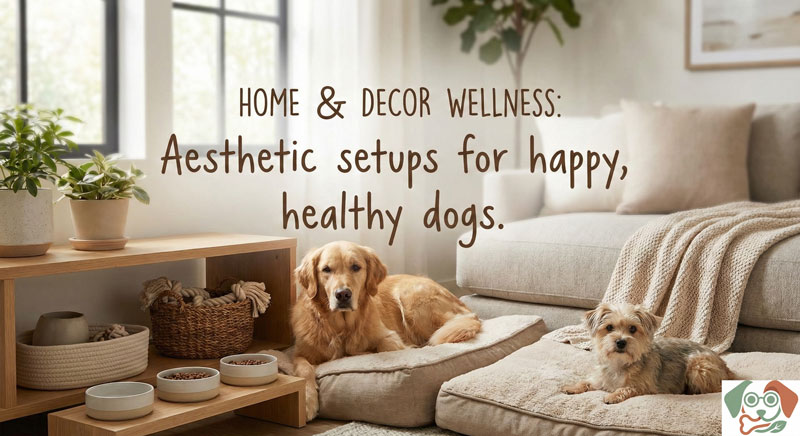
Meta description: Calm lighting and a chew zone help dogs with ear odor and anxiety. Practical, beginner-friendly Setup for apartment or suburban homes.
Quick Summary
- Create a cozy dog zone with soft, warm lighting and a designated chew area.
- Use calm lighting to help anxiety and set a predictable daily rhythm.
- Build a safe chew zone near a crate or mat; rotate toys and use durable, vet-approved chews.
- Ear odor needs a vet check if it lasts or is paired with itching, redness, or discharge.
- Keep routines simple: regular walks, crate training, vet visits, and safe social time.
Why This Matters for Your Dog
A calm home supports dogs with anxiety and may help reduce stress signals like restlessness, panting, or pacing. Gentle lighting and a dedicated chew zone give your dog predictable cues that “this space is safe” and “it’s time to relax.” Ear odor can signal a health issue. A thoughtful setup paired with timely veterinary care keeps your dog comfy and healthy, whether you live in an apartment or a suburban house.
Common Causes (Key Factors)
- Ear odor:
- Infections or yeast buildup
- Ear mites or allergies
- Moisture after baths or swimming
- Excess wax or hair in the ear canal
- Anxiety:
- Separation or routine changes
- Loud noises or new environments
- Overstimulation from busy households
- Insufficient exercise or mental engagement
Note: This post does not replace medical advice. If ear odor is persistent, worsening, or accompanied by pain, head shaking, redness, swelling, or discharge, contact a licensed veterinarian. They can diagnose the cause and provide proper treatment.
Step-by-Step What To Do
1) Pick a practical dog zone (apartment vs. suburban)
– Apartment: Choose a quiet corner of the living room or near a window with natural light. Use a crate or baby gate to create a defined space with a soft resting surface, a water bowl, and a small mat.
– Suburban home: You can create a larger zone in a living room corner, or even a spare room. Add a safe crate if your dog is crate-trained, or a gated area with a comfortable bed, chew items, and a low energy activity station.
2) Calm lighting plan
– Daytime: Use bright, indirect light or natural light to help wakefulness and routine. Open blinds in the morning for a gentle start.
– Evening: Switch to warm, dimmable LED bulbs in the canine area (about 2700–3000K). Consider a smart light that gradually dims as bedtime approaches.
– Night light option: A low, warm night light near the dog zone can ease anxiety for dogs that wake at night without disturbing your sleep.
– Consistency: Try to keep the lighting steady during meal times, play, and rest to reinforce routine.
3) Set up the chew zone
– Choose a fixed spot: Place a durable mat or cushion in the dog zone. A crate with the door closed or a softly gated area works well.
– Safe chews and puzzles: Rotate a few options each week (long-lasting chews, rubber toys, puzzle feeders, stuffed kongs with a small amount of dog-safe filling if your vet approves). Avoid small or easily swallowed pieces.
– Supervision: Especially for teething puppies or dogs new to chews, supervise during chew time. Remove any broken pieces promptly.
– Rotation schedule: Change toys every 2–3 days to keep interest high and reduce boredom-driven anxiety.
4) Ear odor care plan (with vet guidance)
– Regular checks: Look for redness, discharge, swelling, or frequent head shaking. Note if odor is persistent beyond a week or accompanies itching.
– Home care (vet-approved): If your vet says it’s okay, you can clean the outer ear with a dog-safe ear cleaner and a soft cloth or cotton ball. Do not insert objects into the ear canal.
– When to seek help: Persistent odor, pain, hearing changes, swelling, or if your dog has a history of ear disease warrants a veterinary visit.
– Clean environment: After baths or swimming, gently dry the ears and check for moisture build-up.
5) Routine and crate training (humane, reward-based)
– Consistent schedule: Feed, walk, and rest at roughly the same times each day. Short walks or sniff breaks help anxiety too.
– Crate training basics (if used):
– Introduce the crate as a positive space with treats and rewards.
– Start with short sessions (a few minutes) and gradually lengthen them as your dog is comfortable.
– Keep the door open at first; gradually close it for short periods while you’re nearby.
– Use a cozy bed and a favorite toy inside the crate.
– Exercise and mental stimulation: Daily walks plus 10–20 minutes of puzzle toys or nose-work games help burn off energy and ease tension.
6) Vet visits, parks, and social time
– Regular checkups: Schedule at least annual or as advised by your vet. Bring ear concerns to your appointment.
– Dog parks: If you choose to go, ensure your dog is up-to-date on vaccines, observe others, and bring a chew zone item to reward calm behavior after play.
– Socialization: Gentle exposure to new people, sounds, and environments helps anxiety when done gradually and positively.
7) Safe house rules and environment
– Remove hazards: Put away small objects, cords, and anything chewable that could be unsafe.
– Water and rest: Fresh water should be available; ensure a comfy resting spot away from high-traffic zones.
– Quiet corners: Provide a quiet retreat the dog can retreat to during stressful moments.
8) A realistic two-week starter plan
– Week 1: Set up the calm lighting, create the chew zone, start crate training if appropriate, and establish a simple daily routine (two short walks, a play session, and a cozy wind-down).
– Week 2: Introduce rotating toys, reinforce crate time with treats, and add a brief check for ear health. Begin a longer, relaxed car ride or a gentle dog park visit if your dog is comfortable.
– Ongoing: Adjust lighting, toys, and Routines to suit your dog’s energy and comfort level. Maintain vet follow-ups for ear health or anxiety concerns.
9) Daily examples (real-life scenarios)
– Apartment example: A soft bed by a dimmed lamp in the living room, a small gate to create a calm zone, and a Kong toy on the mat. Use a warm night light and a short, predictable evening walk.
– Suburban example: A larger crate in a quieter corner with a window view, a rotating set of chew toys, and a midday walk around a nearby park to meet exercise needs. Dim the lights early and offer a puzzle feeder after dinner.
10) Training and reinforcement tips
– Reward-based training works best. Reward calm behavior with a treat, gentle praise, or a favorite toy.
– Keep sessions short and frequent. End on a positive note.
– Be patient. Anxiety relief and habit formation take time.
Note on tone and safety: This guide emphasizes humane, reward-based methods and practical steps you can implement at home. If your dog’s ear odor or anxiety is severe or persistent, contact a licensed veterinarian or certified animal behavior professional.
Mistakes to Avoid
- Overly bright lighting at night or harsh, flashing lights that startle your dog.
- Ignoring persistent ear odor or assuming it’s nothing.
- Forcing crate time without gradual, positive acclimation.
- Using punishment or fear-based training for anxiety.
- Leaving the chew zone unattended with unsafe items.
- Skipping routine or ample exercise, especially for high-energy breeds.
- Delaying vet visits when symptoms suggest a medical issue.
When to Call a Vet or Certified Professional
- Ear odor with redness, discharge, swelling, or pain.
- Recurrent head shaking, scratching ears, or hearing changes.
- Signs of anxiety that disrupt eating, sleeping, or daily functioning.
- Sudden changes in appetite, behavior, or energy.
- If you’re unsure how to clean the ears safely or which chews are safe.
FAQs
Q: Can lighting really affect my dog’s anxiety?
A: Yes. Warm, dim lighting in the evenings can promote a calmer, predictable environment and support a stable routine.
Q: What are safe chew options?
A: Durable rubber chews, FDA-approved edible chews recommended by your vet, and puzzle feeders. Rotate toys to keep interest high.
Q: How should I place the chew zone in a small apartment?
A: Set a dedicated spot with a comfy mat near a quiet wall. Use a crate or gated area to define the space and minimize overstimulation.
Q: How long should crate training take?
A: Start with short, positive sessions (5–10 minutes). Gradually increase time as your dog shows comfort. Always end on a positive note.
Q: What if ear odor persists after home care?
A: Schedule a vet visit to rule out infection, mites, or allergies. Your vet can provide treatment recommendations and cleaning guidance.
If you’d like, I can tailor this plan to your specific living situation, dog breed, and daily schedule. A calm home with a thoughtful chew zone can make a meaningful difference for dogs dealing with ear odor and anxiety, helping them relax and thrive in everyday life.