
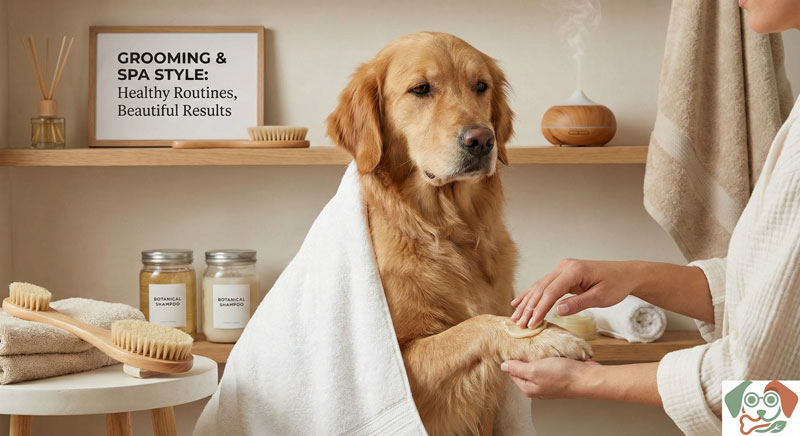
The 2026 spa day checklist: Reduce joint pain and boost a shinier coat
Meta description: A friendly, beginner-friendly at-home spa day guide to ease joint pain and brighten your dog’s coat.
Quick Summary
- A practical at-home spa day focused on joints and coat care.
- Mix gentle movement, calming massage, brushing, baths, and smart nutrition.
- Tailor the routine to your living space, from apartment to suburb, with Crate Training and daily consistency.
Why This Matters for Your Dog
Healthy joints mean more comfortable movement, fewer stiffness days, and a happier daily life. A shiny coat reflects good skin and nutrition, which also supports overall well-being. With simple routines you can do at home, you’ll help your dog feel better without extra stress. This plan respects your space, whether you live in a cozy apartment or a bigger suburban yard, and it fits into normal routines like walks, crate time, and vet visits.
Key Factors
- Joint health: steady, low-impact activity, controlled movement, and weight management help joints move with less pain.
- Coat health: regular brushing, gentle baths, and balanced nutrition keep the coat shiny and the skin healthy.
- Hydration and nutrition: fresh water and a balanced diet support skin and joint health.
- Grooming routine: age-appropriate grooming reduces matting and skin irritation.
- Safety and calm: calm handling, reward-based training, and avoiding harsh methods keep spa day humane and enjoyable.
Step-by-Step What To Do
1) Plan a calm, low-impact start
– In an apartment: a 5–10 minute hallway stroll or walk around the living area. Add 5 minutes of sniffing breaks.
– In a suburban home: a short yard or driveway stroll, followed by 5 minutes of light sniffing and gentle stretching.
– Use a leash if needed, and keep the pace comfortable for your dog.
2) Gentle massage and range-of-motion work
– Hold the limb steady and guide small, gentle circles at the shoulder and hip. Move joints slowly through their natural range.
– Watch for signs of discomfort and stop if your dog tenses, yelps, or pulls away.
– Reward with a calm pat and a tasty treat after each small set of moves.
3) Brush for a shinier coat
– Choose a brush suited to your dog’s coat type. Short coats may need a soft bristle; long coats may benefit from a detangling comb.
– Brush in the direction of hair growth. This stimulates skin and distributes natural oils.
– Check for dry skin, flakes, or irritation, and note any changes to discuss with your vet if needed.
4) Warm bath with dog-safe products
– Use lukewarm water and a gentle, dog-safe shampoo. Limit baths to what your dog tolerates well—monthly or as needed is usually enough.
– Rinse thoroughly to avoid residue that can irritate skin.
– After the bath, gently towel dry and keep your dog warm until fully dry.
5) Paw care and nails
– Inspect paws for cracks, debris, or redness. Clean with a damp cloth if needed.
– If nails are long, trim a little at a time or have a vet tech show you safe trimming.
– Consider a paw balm if the pads are dry, but avoid products made for humans.
6) Coat finish and skin checks
– Brush again lightly to remove loose fur and feel for lumps or knots.
– Note skin tone, warmth, and any signs of irritation. If you detect unusual redness, swelling, or sores, check with your vet.
7) Nutrition, hydration, and gentle movement
– Offer fresh water throughout the spa day. A light snack after steps is fine.
– If your vet has recommended joint-support options (like specific supplements), ask about proper use and timing.
– Keep activity gentle for the rest of the day; avoid high-impact jumps or stairs if your dog is stiff.
8) Create a calm, safe space for rest
– After spa time, offer a comfortable resting spot, ideally close to your crate or bed.
– Use soft lighting and quiet time to help your dog unwind.
9) Routine planning for apartment vs. suburban life
– Apartments: schedule 2–3 short spa sessions each week, plus daily brushing and quick nail checks.
– Suburban homes: you can weave in longer daily walks, a mid-day brushing session, and a weekend larger grooming routine.
– Crate training can keep spa day low-stress by giving your dog a familiar, safe space during grooming.
10) Vet touchpoints and follow-up
– Keep a simple log of any joints or coat concerns you notice.
– Schedule regular vet checkups and discuss your spa day routine during visits. They can tailor tips to your dog’s age and condition.
Mistakes to Avoid
- Over-bathing or using human shampoos. Always use dog-safe products.
- Forcing stretches or punishing attempts. Use gentle, reward-based methods.
- Skipping hydration or feeding needs. Fresh water and balanced meals are part of care.
- Ignoring signs of discomfort or pain. Pause and reassess before continuing.
- Rushing the process. Short, positive sessions beat long, stressful ones.
- Neglecting routine. Consistency matters for joints and coat health.
When to Call a Vet or Certified Professional
- Sudden lameness, swelling, or persistent pain.
- Severe reluctance to move, fever, or changes in appetite.
- Skin changes with redness, sores, or oozing.
- If you’re unsure about a joint condition or a supplement plan.
- A certified canine rehabilitation therapist or groomer can provide hands-on guidance if your dog needs extra support. Vet advice remains the best baseline for meds or supplements.
Vet disclaimer: This guide provides general care ideas. It is not medical advice. For any health concern, consult your veterinarian before changing your dog’s routine, dosing, or adding supplements.
FAQs
- How often should I groom my dog at home?
- It depends on coat type and activity. Many dogs benefit from 2–3 short brushing sessions weekly, plus a bath as needed.
- Are there DIY tips for Coat Shine?
- Regular brushing, a balanced diet, and proper bathing are the basics. Avoid home recipes with unknown ingredients.
- Can essential oils be used?
- No—essential oils can be irritating or toxic to dogs. Stick to dog-safe products and consult your vet.
- My dog hates baths. Any tips?
- Make baths brief, use positive reinforcement, offer treats, and gradually acclimate with short sessions in a warm, calm setting.
- How can I adapt this for a senior dog?
- Use slower movements, shorter sessions, and extra time for warm-up and cooldown. Check with your vet about any age-related considerations.
This 2026 spa day checklist gives you a friendly, practical framework to support joint comfort and a shiny coat. With small steps and steady routines, you’ll help your dog feel good day after day—whether you live in an apartment, a suburban home, or anywhere in between.