
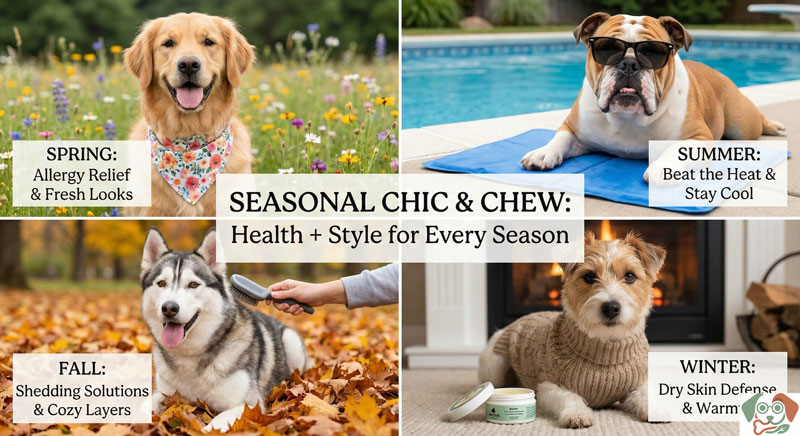
Spring Holiday Style: Outfit checklist that won’t trigger low energy
Meta description: A practical, beginner-friendly outfit checklist for spring holidays that keeps your dog comfy, safe, and full of energy.
Quick Summary
- Dress in breathable, well-fitted outfits.
- Use harnesses or simple accessories that don’t restrict movement.
- Dress for the weather and your outdoor plans (apartment outings, dog park, crate time).
- Introduce clothing gradually with treats and praise.
- Check for signs of discomfort and know when to skip the outfit.
Why This Matters for Your Dog
Spring holidays bring more sunshine, extra visits, and longer days. Outfits can help with visibility, warmth, and charm—yet they can also sap energy if they’re uncomfortable. A dress code that respects your dog’s comfort keeps activities lively, Reduces Stress, and supports safe, happy outings. When your dog feels good, they’re more likely to stay curious, engaged, and eager to play at the park or during crate-down times at home.
Key Factors (Common Causes of Low Energy During Outings)
- Overheating from heavy or tight fabrics.
- Discomfort from chafing or ill-fitting clothing.
- Restricted movement or awkward accessories.
- Anxiety from unfamiliar outfits or crowds.
- Poor fit for your home environment (small apartment vs. roomy yard).
- Incompatibility with gear like collars, leashes, or harnesses.
Step-by-Step What To Do
1) Assess your dog’s needs for spring days
– Consider local weather: cool mornings, warm afternoons.
– Plan outfits around activities: walks, visits to the vet, park time, or crate rest after events.
2) Measure correctly and choose the right size
– Use a soft measuring tape. Record neck circumference, chest girth, and back length.
– Compare with each brand’s size chart; sizing can vary.
– If in doubt, start with a size up that’s easy to adjust with fasteners.
3) Favor breathable, light fabrics
– Choose cotton blends or soft jersey for comfort.
– Avoid heavy fleece or stiff materials in warm sun.
– For evenings or breezy days, a thin layer is fine; skip multiple layers if it’s sunny.
4) Prioritize safety and ease of use
– Use harnesses or simple necklines designed to fit your dog.
– Avoid dangling strings, loose decorations, or tiny buttons that could be swallowed.
– Ensure leash attachments work with your regular leash.
5) Check fit with real movement
– Put the outfit on for a short test (5–10 minutes) at home.
– Let your dog walk, sit, and lie down to ensure no rubbing or pinching.
– Recheck after a few minutes of activity because a dog’s body can shift.
6) Introduce gradually with positive reinforcement
– Pair dressing with treats, calm praise, and a favorite toy.
– Increase wear time by 5–10 minutes per session over several days.
– End on a calm note to keep wearing comfortable in future outings.
7) Build a spring-outing routine around your home
– Apartment: short neighborhood strolls, a quick park loop, and indoor play.
– Suburban: longer park visits, short hikes, or yard games before indoors.
– Include crate time after outings to help your dog decompress without feeling left out.
8) Plan holiday-specific gear thoughtfully
– Reflective bands or vests for dusk strolls.
– Lightweight, washable outfits that wash easily after a park visit or a treat-tasting event.
– A simple harness vest can be both stylish and functional for leash management.
9) Care and maintenance
– Wash outfits after outings; air dry fully before reuse.
– Inspect seams and fasteners for wear.
– Store clean outfits in a dedicated bin so you can grab them quickly before your next spring adventure.
10) Crate training and wardrobe coexistence
– If you crate your dog during gatherings, keep outfits removable and comfortable inside the crate.
– Make crate time a safe, calm space with a favorite blanket and a chew toy.
Apartment vs Suburban: Realistic Examples
- Apartment living: Short, frequent outings work best. Pick a single light layer that’s easy to remove for potty breaks or crate time. Use a harness that doesn’t ride up around the neck. Keep outfits simple to avoid fuss during morning routines.
- Suburban home: You can accommodate longer park trips or a walk around the block with a breathable layer and a reflective vest for dusk. Allow time to practice in the yard, then in the car, then at the park to build comfort gradually.
Mistakes to Avoid
- Forcing your dog to wear an outfit they clearly dislike. This creates stress and lowers energy.
- Choosing tight, heavy, or scratchy fabrics that rub skin.
- Leaving clothing on during naps or in heat without checking for overheating signs.
- Using outfits as punishment or as a rival to comfortable routines.
- Skipping simple checks like harness fit or leash compatibility.
- Ignoring signs of discomfort: heavy panting, scooting, or rubbing at the outfit.
When to Call a Vet or Certified Professional
- If your dog shows persistent skin irritation, redness, or a rash after wearing clothing.
- If you notice severe overheating, coughing, or trouble breathing during wear.
- If fatigue or lethargy seems unusual after a shopping trip or outing.
- If you have any doubt about safety, fit, or if the dog’s energy remains unusually low.
Vet disclaimer: Clothing and accessories should not be used to diagnose or treat medical conditions. If you’re concerned about your dog’s health or energy levels, contact your veterinarian for guidance.
FAQs
-
Do dogs really need outfits for spring holidays?
Outfits are optional. The goal is comfort, safety, and enjoyment during outings or events. Start slow and only use clothing if your dog tolerates it well. -
How long should I let my dog wear a new outfit the first time?
Start with 5–10 minutes, then gradually increase by 5–10 minutes per session, depending on your dog’s tolerance and mood. -
How can I tell if the outfit is too tight?
Look for restricted movement, red marks, or skin irritation. You should be able to slide two fingers under the fabric with gentle pressure. -
What fabrics are best for spring wear?
Lightweight, breathable fabrics such as cotton blends or soft jerseys. Avoid heavy wool or stiff synthetics in warm weather. -
How do I wash dog outfits safely?
Use a gentle cycle, cold water, and mild detergent. Air-dry to Prevent shrinking. Check labels for brand-specific care instructions. -
If my dog dislikes clothing, what should I do?
Respect their preference. You can still enjoy spring activities without dressing them. Try a safer alternative like a reflective harness or a colorful bandana that doesn’t restrict movement. -
How can I keep my dog safe at the dog park while wearing an outfit?
Choose a snug harness with a sturdy leash, check for loose parts, and keep sessions short if your dog is new to outfits. Bring water and a towel in case of damp grass. -
How do I integrate crate time with outdoor outings?
Use the crate as a calm space after events. If your dog wears a light outfit, remove it before crate time to avoid overheating and to help them settle.
Spring can be a wonderful time for dogs and their families. With a simple, thoughtful outfit checklist, you can help your dog stay comfortable, energized, and excited for daily adventures—whether you live in a cozy apartment, have a suburban yard, or enjoy regular trips to the park. Remember, the goal is to support your dog’s energy and happiness through breathable fabrics, a proper fit, humane training, and easy routines. If anything feels off, slow down, adjust the fit, and celebrate small wins along the way.