
Meta description
Camera-shy to camera-ready: ease itchy ears with reward timing and a no-pull harness. Practical Tips for everyday dog parents.
Quick Summary
- Get your dog comfy with a no-pull harness to reduce pulling on walks.
- Use reward timing to reinforce calm behavior during ear checks and photo moments.
- Keep a simple, apartment- or suburban-friendly routine for ear care, crate training, and vet visits.
- Learn common Ear Itch causes and when to seek a vet’s help.
- Practice humane, reward-based training that fits real-life U.S. homes.
Why This Matters for Your Dog
A dog that pulls on walks and avoids ear care can become stressed and itchy. A no-pull harness makes leash time calmer and safer, especially in apartments with hallways or busy streets. Reward-based timing helps your dog associate ear checks and photo moments with treats, not tension. Together, these practices support better comfort, fewer ear irritations, and more enjoyable daily life—whether you live in an apartment, a suburb with a yard, or anywhere in between.
Common Causes (Key Factors)
- Ear infections, allergies, or moisture buildup can cause itchiness.
- Wax buildup or irritation from irritants (like shampoo residue) can bother a dog.
- Parasites (mites) or foreign material may irritate the ear canal.
- Behavioral itching from anxiety or excitement during walks or car rides.
Note: This is not a medical diagnosis. If itching is persistent, loud heads shaking, or discharge, consult your veterinarian. A vet disclaimer: persistent ear issues should be evaluated to rule out infection, allergy, or other conditions.
Step-by-Step What To Do
1) Pick a humane no-pull harness and get a proper fit
– Choose a harness with a front-clip or well-designed back-clip that discourages pulling without choking.
– Measure chest girth and adjust straps so you can snugly slide two fingers under each strap.
– Start indoors on a short leash to test fit. Clip the leash to your dog’s favorite side and walk a few steps. Reward calm, confident steps.
2) Build leash manners with reward timing
– Pair leash walks with a simple cue like “easy” or “let’s go.” When your dog looks at you or stops pulling, click or say “Yes!” and give a treat within 1–2 seconds.
– Practice short, frequent sessions: 5–8 minutes, 2–3 times daily. Gradually extend as your dog improves.
– Use the apartment hall or a quiet yard for practice before venturing outside your home. In a suburban setting, start on calmer streets before busy sidewalks.
3) Create a calm ear-care routine
– Check ears weekly for redness, odor, discharge, or debris.
– If ears look clean, wipe the outer ear with a vet-approved gentle cleaner on a soft cloth.
– Never insert cotton swabs deep into the ear canal. If you notice wax buildup or debris, ask your vet for guidance and an appropriate cleaning solution.
– Reward calm behavior before, during, and after any ear check or cleaning.
4) Turn ear care into a positive “feel-good” moment
– Pair ear checks with short, quiet sessions in a familiar room.
– Use a cue like “touch” or “ear” and reward calm handling with small treats.
– Keep sessions brief; end on a positive note with a favorite treat or a 30-second play break.
5) Move toward camera readiness in small steps
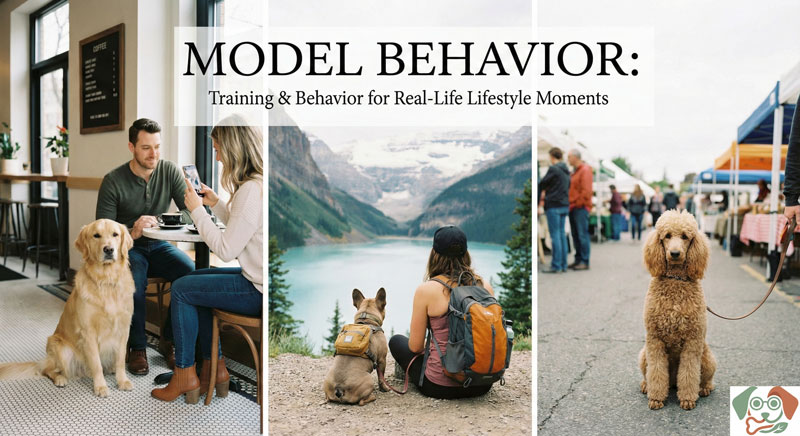
– If you want photos or videos, start with a calm, familiar setup: sit on a couch, use a soft voice, and hold treats close to your camera or phone.
– Reward your dog for staying calm and looking toward the camera. Short sessions (a minute or two) work best. Gradually increase as comfort grows.
6) Incorporate crate training and daily routines
– Use a crate as a safe space for rest. Place the crate in a common area so your dog can observe family life.
– Start with short crate sessions, rewarding calm behavior when entering and staying in the crate.
– Build a consistent daily routine: morning walk, midday potty break, mid-day ear-checks or grooming, evening play, and crate time.
7) Vet visits and dog parks
– Schedule regular vet checkups to monitor ears, skin, and overall health.
– When visiting a dog park, keep your dog on a harness and leash until you’re ready to relax in a designated area. Reward calm behavior in new environments.
Mistakes to Avoid
- Punishing pulling or scolding during leash training; it makes walks stressful.
- Forcing ear checks or cleansing when your dog is clearly scared or uncomfortable.
- Deep ear cleaning or use of unapproved solutions without veterinary guidance.
- Neglecting routine ear checks or delaying vet visits when itching is persistent.
- Rushing camera moments; always end sessions positively with treats.
When to Call a Vet or Certified Professional
- Ear discharge, strong odor, redness, swelling, or visible pain.
- Persistent itching that lasts more than a week or two despite home care.
- If your dog shows head shaking, balance issues, or if you notice signs of discomfort during ear checks.
- If you’re unsure about harness fit or training plans, consult a certified trainer or veterinary behaviorist.
Safety note: This article offers general guidance and is not a substitute for professional medical or behavioral advice. For health concerns or serious symptoms, contact your veterinarian promptly.
FAQs
-
Q: Is a no-pull harness better than a standard collar?
A: For many dogs, yes. A no-pull harness reduces neck strain and can help you direct your dog with less stress during walks. Ensure proper fit and adjust as your dog grows or changes weight. -
Q: How often should I check my dog’s ears?
A: Check ears weekly for signs of itch or infection. If you notice changes (odor, discharge, redness), schedule a vet visit. -
Q: Can itchy ears cause shaking or yawning?
A: Yes. Itching and discomfort can lead to head-shaking or irritability. If these signs persist, seek veterinary advice. -
Q: How long does it take to train camera readiness?
A: It varies by dog. Short, daily practice over a few weeks often yields comfortable, relaxed camera moments. -
Q: What if my dog resists ear checks?
A: Short, positive sessions with rewards work best. Go slowly, keep sessions calm, and consult your vet for guidance if resistance continues. -
Q: Should I use human ear drops at home?
A: Only use products recommended by your veterinarian. Do not treat ear issues with human products unless directed by a professional.
By combining reward-based timing with a reliable no-pull harness, you can help your dog become more camera-ready and more comfortable during ear care. With practical routines tailored to apartment living or suburban homes, these steps are doable for everyday American pet parents. Gradual progress, consistent praise, and gentle handling go a long way toward a calmer, healthier, happier dog.