
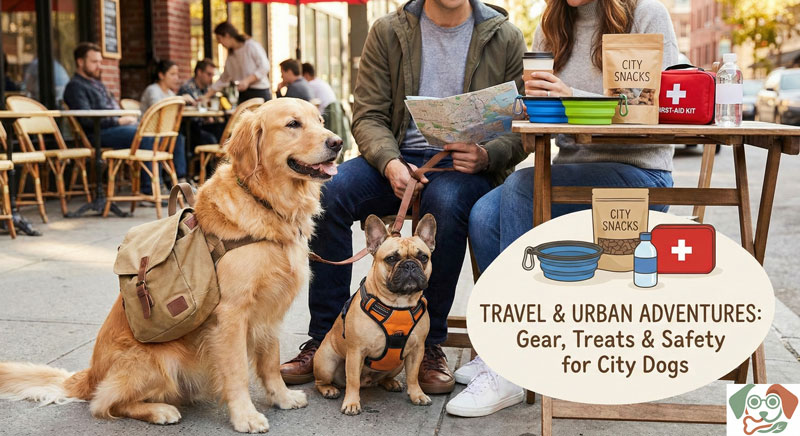
City heat plan: Prevent anxiety with Cooling Gear and hydration add-ins
Meta description: Practical cooling gear and hydration add-ins to ease dog anxiety in hot city days. Easy steps for apartments and suburbs.
Quick Summary
- Hot city days raise anxiety in Dogs. Hydration and cooling gear help.
- Create a simple, repeatable routine: morning, midday, and evening care.
- Use humane, reward-based training to help dogs enjoy cool activities.
- Tailor the plan to your home type: apartment, condo, or suburban yard.
- Know when to seek veterinary help for signs of heat stress or anxiety.
Why This Matters for Your Dog
City heat can feel tougher for dogs. Pavement, concrete heat, and crowded sidewalks can stress a dog’s body and mind. Anxiety can rise with fear of loud city sounds, closed spaces, and crowded parks. The right cooling gear and smart hydration make hot days safer and calmer. A practical plan supports your dog’s comfort, mood, and daily routine—without shaming or pressure.
Common Causes (or Key Factors)
- High ambient temperatures plus reflective surfaces from roads and buildings.
- Dehydration from not drinking enough or too much activity in heat.
- Overexcitement or fear in noisy urban spaces.
- Inadequate shade or air flow during outdoor trips.
- Crate or home spaces that feel stuffy or hot.
- Sudden changes in routine or long periods of confinement.
Step-by-Step What To Do
1) Build a simple cooling toolkit
– Cooling gear: a lightweight cooling vest or bandana, a portable fan, and a cooling mat for rest breaks.
– Shade and airflow: a sunshade, a breathable crate cover, and a fan for indoor rooms with windows.
– Foot care: check pavement before walking; pick grassy routes or early-morning concrete when cooler.
2) Hydration add-ins that are dog-friendly
– Broth boost: offer low-sodium, onion-free chicken or beef broth mixed with water in a bowl or ice cube tray.
– Ice and chill: keep fresh water with ice cubes at every station—home, car, and park.
– Electrolyte option: consider a dog-safe electrolyte mix as directed by your vet. Start slowly and watch for tummy upset.
– What to avoid: avoid foods with onion, garlic, excess salt, raisins, chocolate, or artificial sweeteners. Always check ingredients first.
3) Create a city-friendly daily routine
– Morning: short, shaded walk or sniff session in cooler hours. Quick praise and water before returning home.
– Midday: indoor enrichment (puzzle toys, nose work), brief supervised crate time with a fan on. Use a cooling mat during rest.
– Afternoon: if you must be out, plan shaded routes, bring water, and take breaks in cool spots.
– Evening: longer walk after sunset when temps drop, plus a reward-based training session in a cool spot.
– Crate and calm space: designate a cool, quiet zone. Use a soft blanket, a fan, and a crate cover for comfort.
4) Make crate time and resting safer in heat
– Ensure good airflow around the crate. If your dog rests in a crate, place it near a fan or in a cooler room.
– Use a cooling mat or pad inside the crate or beneath it for steady comfort.
– Keep crate doors open when supervised so your dog can choose to rest or move.
5) Outdoor outings with smart planning
– Parks and walks: choose early mornings or later evenings. Avoid hot pavement and metal benches.
– Dogs and crowds: bring a water bowl, offer breaks, and watch for signs of overheating or anxiety.
– Parking and transit: use shade while waiting for rides; never leave a dog in a hot car.
6) Gentle, reward-based training to ease anxiety
– Positive reinforcement: pair cooling gear with treats and praise.
– Desensitization: gradually introduce heat-related routines (cooling vest, water play, shady rest) in calm steps.
– Consistency: keep routines predictable to Reduce stress during heat.
7) Vet checks and routine care
– Regular checkups: keep routine vet visits for a wellness baseline and advice on hydration needs.
– Skin and paw care: inspect paws for burns from hot pavement and ensure skin stays hydrated.
8) Realistic home scenarios
– Apartment living: plan shade near windows, a balcony or shared courtyard if allowed, and quick indoor play sessions to avoid long outdoor heat exposure.
– Suburban homes: set up a cool dog zone with a mat on tile or linoleum, a shaded yard area, and a water station near doors.
– Transit and car safety: never leave a dog unattended in a car; plan outings with pre-packed cooling and water.
Mistakes to Avoid
- Overreliance on one cooling method: mix gear, water, and rest for balance.
- Ignoring signs of overheating or anxiety: panting, drooling, lethargy, or restlessness need attention.
- Waiting too long to cool down: start cooling early rather than after symptoms begin.
- Using human fans without airflow: a quiet dog-friendly fan helps; avoid loud, strong fans that frighten your dog.
- Forcing activity in heat: keep activity short and calm, not intense.
When to Call a Vet or Certified Professional
- If your dog shows persistent heavy panting, rapid heart rate, confusion, vomiting, or collapse.
- If you suspect heat stroke or dehydration that doesn’t improve with water and rest.
- If anxiety is severe or new, affecting eating, drinking, or behavior beyond normal stress.
- If you’re unsure about the best hydration add-ins or cooling gear for your dog, ask your vet for guidance.
Safety: This article offers general tips. It does not diagnose conditions or provide medication dosages. For health concerns, contact your veterinarian or a certified professional.
FAQs
-
Can I use a regular fan indoors for my dog?
Yes. A quiet, dog-safe fan can help move air around a cool space. Place it so your dog can enjoy a gentle breeze without being overwhelmed. -
Are ice packs safe for dogs?
Ice packs should be used with caution. Do not place ice directly on skin for long periods. Use a cooling mat or a damp towel between ice and skin and monitor your dog closely. -
How do I know if my dog is anxious in heat?
Look for restlessness, pacing, lip licking, yawning, or seeking shade but staying near you. Some dogs show clinginess or avoidance of outdoor spaces. -
Is it OK to add broth to my dog’s water daily?
A splash of low-sodium broth can encourage hydration, but use it sparingly and ensure it’s onion-free. Always check with your vet before introducing regular boosters. -
What about newborn puppies or senior dogs?
Puppies and seniors can be more sensitive to heat. Shorter, cooler outings and extra hydration work best. Use gentle cues and rewards to build comfortable routines. -
How do I start crate training during hot weather?
Create a cool, inviting space with a mat and gentle airflow. Use short training sessions with rewards and give your dog a safe exit when needed. -
Can I bring cooling gear to the dog park?
Absolutely. A cooling vest or bandana and a water bowl are helpful there. Keep sessions short and provide breaks in the shade.
By following these steps, you can turn hot city days into manageable, calmer experiences for your dog. A consistent routine, gentle training, and thoughtful cooling and hydration choices make a big difference in how your pup handles heat and anxiety, whether you’re in a cozy apartment or a family home with a yard.