
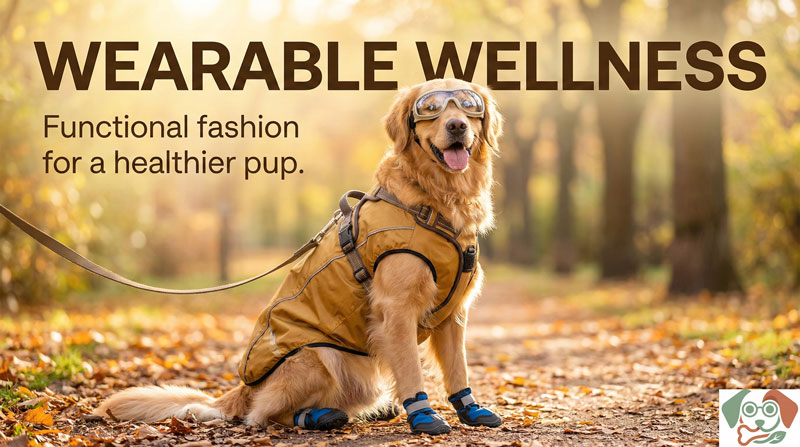
Recovery Suit Styling: Protect Skin and Reduce Snoring While Staying Cute
A dog Recovery Suit can help protect skin, ease post-surgery healing, and even reduce rubbing or itching. With a cute look and simple steps, it can fit many American households—from city apartments to suburban homes. This guide offers beginner-friendly, practical tips for everyday life.
Quick Summary
- What it is: a soft, snug garment for dogs that covers the torso and limits skin rubbing.
- Benefits: protects healing skin, prevents Hot Spots, and may reduce irritation that contributes to restful snoring.
- Fit and care: choose breathable fabric, measure carefully, and wash regularly.
- Use cases: post-surgery, skin sensitivities, crate time, or calm, restricted days.
- How to start: introduce slowly with treats, pair with crate or mat, and watch for comfort.
Why This Matters for Your Dog
Skin wounds, allergies, or rough fur can lead to itching, licking, and hair loss. A recovery suit creates a gentle barrier that reduces contact with irritants and protects delicate areas. For some dogs, a snug, comfortable layer can also help them relax by limiting mouth or paw access to the chest and neck area, which may ease anxiety and, in some cases, help with snoring tied to restless sleep. The goal is humane, gentle support that makes daily life safer and more predictable—whether you live in a small apartment or a roomy suburban home.
Key Factors (Common Causes for Needing a Recovery Suit)
- Skin irritation, hotspots, or post-surgical incisions.
- Excess scratching or licking that delays healing.
- Hair mats or rough fur rubbing on furniture or crates.
- After grooming or baths, to protect damp coats as they dry.
- Snoring or breathing comfort linked to neck or chest discomfort (not a medical claim; see your vet if you’re unsure).
- Everyday activities like walks, car rides, or visits to the dog park where minor scrapes can happen.
Step-by-Step What To Do
1) Measure your dog for a proper fit
– Use a soft measuring tape. Record neck circumference, chest girth just behind the front legs, and body length from neck to base of tail.
– Compare measurements to the product size chart. If in between sizes, pick the larger and check fit.
2) Choose fabric and fasteners
– Look for breathable fabrics such as cotton blends or lightweight jersey. Avoid heavy materials that trap heat.
– Prefer easy closures: Velcro or easy-zip zippers that won’t scratch the skin. Ensure fasteners are not near the dog’s face or paws.
3) Check fit carefully
– The suit should cover the chest and back without restricting movement.
– You should be able to fit two fingers between the garment and your dog’s body (a relaxed fit test).
– Check that legs and neck openings aren’t too tight and won’t slip down during activity.
4) Introduce gradually with praise and treats
– Start wearing the suit for short periods, 5–10 minutes, during a calm activity (snack time, crate time, or a slow chew).
– End on a positive note with praise and a treat. Gradually extend wearing time as your dog stays comfortable.
5) Create a daily routine that includes the suit
– Use after grooming, baths, or exposure to scratching surfaces (furniture, bushes) to protect the skin.
– If you crate train, put the suit on before crate time so your dog associates it with calm, safe routines.
– For apartment living, use the suit during afternoon rest or while your dog dries after a rainy walk.
6) Care and washing
– Hand or machine wash on a gentle cycle with cold water. Use a mild detergent.
– Air dry to preserve fabric and fit. Avoid high heat in dryers.
– Inspect seams and Velcro after washing for wear.
7) Real-life home examples
– Apartment life: quick daily wear after walks, then removable before couch time. Choose a lighter fabric and a snug but forgiving fit so your dog can hop onto a small dog bed.
– Suburban home with yard: use the suit after outdoor play to protect skin on grass or shrub contact. Have a dedicated spot for washing and drying the suit after muddy days.
– Crate training: pair the suit with a cozy mat and a treat, so your dog learns the routine without stress.
8) Vet and professional input
– If you’re unsure about skin healing or snoring, bring questions to a veterinarian or certified dog trainer. A professional can verify that the suit isn’t irritating or restricting breathing and can suggest alternatives if needed.
9) Quick-care checklist
– Measure right before buying; re-measure after a few weeks if your dog grows or gains weight.
– Ensure the fabric breathes; watch for overheating.
– Regularly inspect skin under the suit for redness or irritation.
– Keep a spare suit or two in your dog’s gear stash for trips or weather changes.
Note: This guide offers practical ideas for home use. It is not a substitute for professional medical advice. If you notice skin infections, persistent redness, swelling, vomiting, coughing, or breathing difficulty, contact your veterinarian promptly.
Mistakes to Avoid
- Choosing a garment that is too tight or too loose; both can create friction or slip and cause stress.
- Using non-breathable fabrics that trap heat and moisture.
- Wearing the suit during vigorous play that could snag or pull seams.
- Leaving the suit on for long periods without breaks, especially during hot weather.
- Skipping skin checks under the suit after gym or park visits.
- Ignoring signs of discomfort or distress; stop using the suit and consult a trainer or vet.
When to Call a Vet or Certified Professional
- Redness, swelling, or open wounds under the suit.
- Signs of infection (pus, foul odor) or fever.
- Trouble breathing, coughing, or unusually heavy snoring that worries you.
- Persistent itching, licking, or chemical irritation from the fabric.
- If your dog shows ongoing stress with the garment after a few days of gradual introduction.
- If you’re unsure about proper fit or usage for post-surgery care.
Disclaimer: This post is for general information and is not medical advice. Always consult your veterinarian for guidance on health, surgery recovery, or breathing concerns.
FAQs
-
Can recovery suits help with snoring?
A snug, comfortable suit may reduce discomfort that contributes to restless sleep for some dogs. It is not a cure for medical snoring. If snoring is persistent or unusual, talk to a veterinarian. -
How do I measure my dog?
Measure neck circumference, chest girth behind the front legs, and body length from neck to base of tail. Compare to the size chart and choose accordingly. -
Are recovery suits safe for puppies?
Yes, with careful sizing and supervision. Puppies grow quickly, so check fit every few weeks and replace as needed. -
How should I wash the suit?
Use a mild detergent on a gentle cycle with cold water. Air dry to protect the fabric and fit. -
One-piece vs. two-piece suits?
Both can work. One-piece suits offer full coverage and fewer gaps; two-piece sets can be easier to put on and take off for some dogs. -
How long can my dog wear the suit each day?
Start with short sessions and gradually extend. Most dogs tolerate a few hours daily if they are comfortable, but always prioritize your dog’s comfort and safety.
Special note for U.S. households: the best recovery suit fits your dog’s size and your living space. It should feel like a calm addition to daily life—helping skin stay protected, reducing irritation, and keeping your pup looking cute while you enjoy ordinary routines, from apartment mornings to suburban park visits. If you’d like, I can tailor sizing tips to your dog’s measurements and daily schedule.