
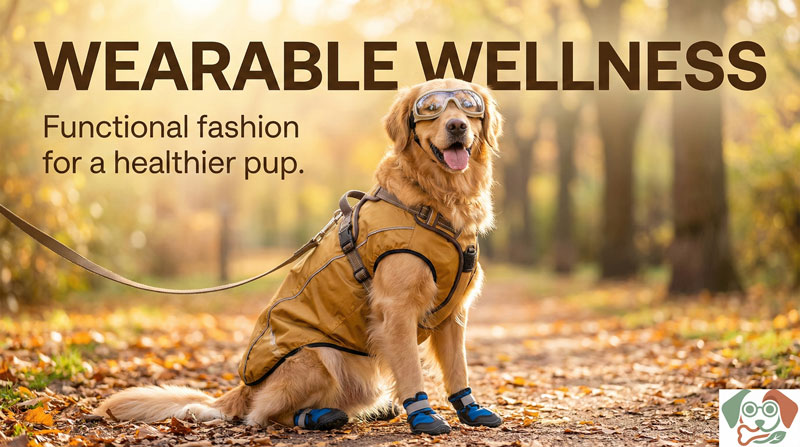
Harness Fit Mistakes That Trigger Ear Odor: Fix Your Travel Carrier in 5 Minutes
Quick Summary
A comfortable harness and a clean travel carrier can reduce moisture and rubbing that irritates your pup’s skin and ears. In just five minutes, you can adjust fit, refresh the carrier, and do a quick ear check to help prevent odors. Small, consistent steps beat big, noisy fixes.
Why This Matters for Your Dog
Many dogs spend time in a harness and a travel carrier—whether you live in an apartment or a house with a yard, whether you’re cruising to the dog park or boarding a car ride to the vet. When harness straps rub, or a carrier doesn’t vent well, moisture and bacteria can build up around the neck and head. That moisture can spread to the ears, leading to odor and discomfort. Keeping harness fit comfortable and the travel space clean supports better ear health, fewer bouts of itching, and a calmer pup on daily errands.
Common Causes (Key Factors)
- Harness rubbing and tight fit: Neck or chest straps that press too hard or sit in the same spot can cause skin irritation, which can lead to rubbing and sometimes ear-fur rubbing as your dog tries to relieve discomfort.
- Poorly ventilated travel carrier: A cramped, damp, or poorly aired carrier traps heat and moisture, creating a warm home for bacteria and yeast.
- Damp pads or towels: Wet or damp materials inside the carrier keep fur and skin damp, increasing odor risk.
- Moist ears and insufficient drying: If ears stay damp after walks or baths, odor can develop faster, especially in warm seasons or humid climates.
- Dirty routines between trips: Grimy straps, mats, or carrier corners transfer odor to the dog’s fur and skin.
Step-by-Step What To Do (Do this in about 5 minutes)
1) Quick harness fit check (60 seconds)
– Use the two-finger rule: you should barely fit two fingers between strap and your dog’s body at the snug points.
– Check the neck strap: ensure it’s not sitting on the neck or behind the ears; adjust so it sits on the chest or shoulder area without rubbing the skin.
– Look for rubbing points: run your finger along the inside of straps; if you feel chafing, loosen or reposition or switch to a different style (vest vs. step-in).
– Move with your dog: have your dog walk a short lap and note any spots where the harness slides or rubs.
2) Refresh the travel carrier (60 seconds)
– Ventilation check: make sure there are air holes or a mesh panel and that the carrier isn’t too closed up.
– Quick clean: wipe the interior with a dog-safe wipe or a damp cloth, then dry with a clean towel.
– Fresh padding: place a washable mat or a clean towel in the bottom; ensure it’s dry and breathable.
– Dry space only: if you’ve used it in damp weather, air it out for a minute while you finish the rest.
3) Quick ear and coat check (60 seconds)
– Look and sniff: gently check the outer ear (pinna) for redness or discharge. A mild, non-stinky odor can be normal, but persistent or foul odor needs attention.
– Outer-ear wipe: use a vet-approved, dog-safe ear wipe to wipe around the outer ear opening. Do not insert anything deep into the ear canal.
– Drying touch: if you notice moisture on the fur around the ears, give a quick pat with a dry cloth or towel.
4) Dryness and routine touch-up (60 seconds)
– Brush the fur around the ears and neck to remove loose hair and help airflow.
– If you traveled in humid weather, a quick blow-dry on a low, cool setting can help (keep the nozzle far from the ears).
– Recheck the harness after brushing to confirm no new rubbing spots.
5) Quick post-trip check (60 seconds)
– After you remove the harness and carrier, do a quick skin check on the chest, neck, and around the ears for any redness or irritation that appeared after the last trip.
– Clean and air out gear: gently wipe the harness and carrier, then let air dry before the next trip.
– Keep a small towel or mat in the car or entryway for quick post-walk cleanups to reduce moisture buildup.
Tip: If your dog has longer fur around the neck, trim or brush to reduce matting where moisture can collect. If your dog is sensitive to new products, use only vet-approved wipes and cleaners.
Safety note: This 5-minute routine is a quick check and care routine. It’s not a substitute for veterinary care. If you notice ongoing Ear Odor, redness, discharge, or your dog is scratching, head shaking, or showing signs of pain, consult a veterinarian.
Mistakes to Avoid
- Choosing a harness that’s consistently too tight or rubbing in the same spot.
- Leaving the harness on all day in warm, humid weather without checking for rubbing or overheating.
- Skipping carrier cleaning after trips or using damp pads inside the carrier.
- Using harsh cleaners or human products inside the carrier or on the harness.
- Ignoring persistent ear odor or signs of ear irritation.
When to Call a Vet or Certified Professional
- Persistent or strong ear odor with redness, discharge, or head shaking.
- Signs of pain, swelling, or sensitivity around the ears or neck.
- Skin irritation that doesn’t improve after adjustments and cleaning.
- Your dog shows fever, lethargy, vomiting, or loss of appetite along with ear or skin symptoms.
- You’re unsure about the right harness style for your dog’s body type or you notice unusual skin changes after travel.
Vet disclaimer: This article provides general pet care information. It is not medical advice. If you’re concerned about your dog’s health, please consult your veterinarian for a diagnosis and treatment plan.
FAQs
-
Q: How do I know if my harness fits correctly?
A: A snug fit with two fingers’ width between strap and body is a good rule of thumb. The harness should not restrict movement, breathing, or hearing, and should not rub at any point. -
Q: How often should I clean the travel carrier?
A: Clean the interior after every trip, especially if the trip involved moisture, odor, or messy conditions. Let it dry completely before the next use. -
Q: Can ear odor be a sign of something serious?
A: Sometimes it’s a mild issue like moisture buildup or wax changes, but persistent or foul odor, ear discharge, or pain can be a sign of an ear infection, mites, or allergies. See a vet if symptoms persist. -
Q: Are there dog-friendly products for ear cleaning?
A: Yes. Use only products labeled for dogs and approved by your veterinarian. Avoid inserting anything deep into the ear canal. -
Q: What about apartment vs. suburban living?
A: In apartments, you may see more moisture buildup in small spaces, so ventilated carriers and quick routine checks are especially helpful. In suburban homes, weather changes can affect humidity; keep an eye on outdoor moisture and dry gear after outings. -
Q: How can I make this a routine?
A: Pair the five-minute check with a daily or every-other-day walk or feeding routine. Consistency helps your dog stay comfortable and reduces odor over time.
Bottom line: A well-fitted harness, a well-ventilated travel carrier, and a rapid ear-and-skin check can help prevent odor issues and keep travel calm and comfortable for you and your dog. Start with these quick checks, adjust as needed, and reach out to your veterinarian if odors or discomfort linger.