
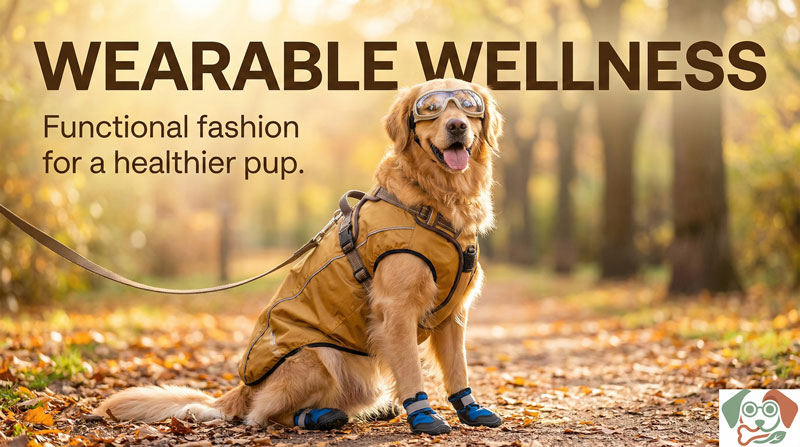
No-Pull Harness Fit: Reduce low energy and make walks look effortless
Quick Summary
- A well-fitted no-pull harness helps your dog walk with less pulling and more calm energy.
- Start with accurate measurements, choose the right front-clip design, and adjust for a snug but comfy fit.
- Use short, reward-based training sessions to teach your dog to walk with slack.
- Practice at home, then in the apartment hallway, surrounding sidewalks, and finally at parks.
- Watch for signs of discomfort or medical issues and consult a professional if needed.
Why This Matters for Your Dog
A comfortable, correctly fitted harness keeps walks enjoyable for both of you. When a harness fits well, your dog is less tempted to pull to reach a goal or scent. Training with a no-pull harness reinforces calm, steady walking. This supports joint safety, reduces fatigue, and makes strolls feel effortless rather than tense. With consistent routines—whether you’re in an apartment building or a suburban neighborhood—you’ll both look forward to daily outings.
Common Causes
- Ill-fitting harness: too loose or too tight can cause rubbing, chafing, or more pulling.
- Wrong clip placement: some dogs pull toward the chest; a front-clip design helps redirect.
- Insufficient training: dogs need gentle guidance and rewards for walking with slack.
- High-energy drives or excitement: sudden pulling can spike energy; practice helps.
- Pain or medical issues: sore joints or teeth pain can change how a dog walks. Always check with your vet if you notice sudden changes.
- Inconsistent routines: varying walk lengths or times can stress dogs and boost pulling.
Note: This post is for care and training guidance. If you notice pain, limping, or any medical concerns, contact your vet. This content is not a diagnosis or medical treatment plan.
Step-by-Step What To Do
1) Measure for a proper fit
– Use a soft measuring tape to check chest girth (the widest part of the rib cage) and neck circumference. Compare to the harness size chart.
– For many dogs, you should be able to slide two fingers between the harness and your dog’s body. If you can fit three or more fingers, it’s too loose; if you can’t fit two, it’s too tight.
2) Choose the right no-pull harness
– Look for a front-clip design that sits on the chest and redirects forward momentum gently.
– Ensure adjustable straps at the neck, chest, and girth so you can customize fit without restricting movement.
– Pick a harness with soft, padded lining and breathable fabric to prevent rubbing.
3) Fit it correctly at home
– Put the harness on in a calm area, like the living room or a quiet hallway.
– Clip or fasten according to the manufacturer’s instructions. The chest strap should sit at the sternum, not on the neck.
– Check that you can fit two fingers between the harness and your dog’s body, and ensure there’s no rubbing along the armpits or chest.
– Attach the leash to the front clip first. Gently tug to confirm it’s secure.
4) Introduce the harness with short practice
– Start with 3–5 minute practice sessions indoors. reward with small treats and praise for walking with you with a slack leash.
– Gradually move to a quiet yard, then a sidewalk near home, keeping sessions brief and positive.
5) Build a reward-based training plan
– Use a cue like “Let’s go” or “Walk,” then praise and treat for steady walking with a loose leash.
– If the dog pulls, stop walking, wait for the leash to slack, then resume. Reward when there is slack.
– Keep sessions frequent but short and end on a success.
6) Progress through real-life settings
– Apartment routines: practice in hallways, elevator lobbies, and stairwells; reward calm behavior near doors and in common areas.
– Suburban routines: gradually add porch, mailbox runs, then streets with light traffic. Stay at a comfortable pace and reward calm walking.
– Dog park outings: use a shorter leash to practice before entering; once calm, switch to a longer walk while watching for pull cues and reward consistency.
– Crate training and rest: keep harness on during calm crate breaks if your dog tolerates it, then remove after rest if necessary. Always prioritize comfort.
7) Daily care and maintenance
– Inspect the harness after each walk for wear, fraying, or signs of rubbing. Wash per label instructions regularly.
– Check for changes in fit as your dog grows or gains/loses weight.
Mistakes to Avoid
- Choosing the wrong clip: using only the back clip can give less control for some dogs; pairing a front-clip front with careful training yields best results.
- Over-tightening or under-tightening: both can cause rubbing or slipping. Recheck fit after a few days.
- Yanking or punishing pulls: use rewards, not force. Redirect with the front clip and treat-based encouragement.
- Relying on the harness alone: combine with short, positive training sessions, not just equipment.
- Skipping vet checks: sudden changes in behavior or gait may indicate pain or health issues.
When to Call a Vet or Certified Professional
- Your dog shows pain, limping, swelling, or refuses to walk calmly on a harness despite training.
- You notice persistent whining, coughing, or breathing difficulty during walks.
- You suspect medical issues like arthritis, hip dysplasia, or dental problems.
- You want personalized guidance on fit, clip options, or advanced leash training. A certified trainer can tailor a humane plan to your dog’s needs.
Vet disclaimer: If you have health concerns or notice unusual symptoms, consult your veterinarian. This article is for general education and is not a substitute for professional veterinary advice.
FAQs
- Q: Will a no-pull harness eliminate all pulling? A: It greatly helps by reducing forward tugging, but rewards-based training is still essential for lasting calm walking.
- Q: How long does it take to adjust to a new front-clip harness? A: Many dogs adapt within a few weeks with consistent practice and short sessions.
- Q: Can I still use a harness indoors? A: Yes. Practice indoors first to build confidence before outdoor walks.
- Q: Should I leave the harness on all day? A: If your dog is comfortable and it helps with routines, you can leave it on during crate time or car rides, but check for rubbing and heat buildup.
Meta description: Learn how to fit a no-pull harness and train for relaxed, effortless walks—step-by-step, apartment to suburb, with humane, reward-based methods.