
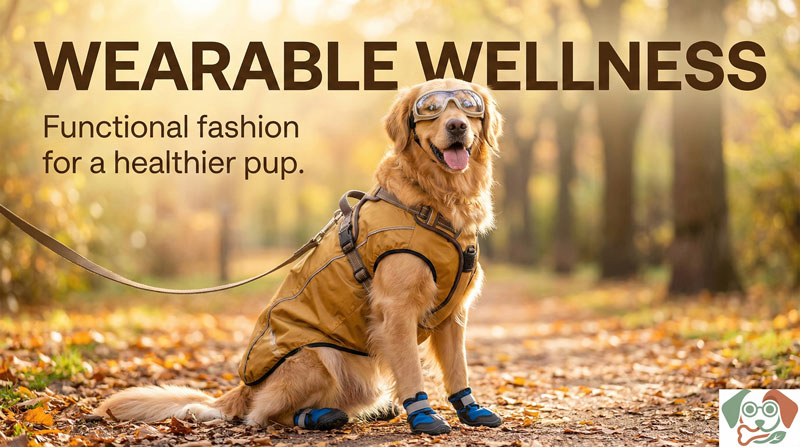
Doggles for Wind and UV: Protect Eyes and Reduce Hot Spots on Beach Days
Quick Summary
- Doggles shield your dog’s eyes from wind, sand, and sun, helping prevent irritation and dry eye.
- On beach days, they can reduce rubbing and hot spots caused by sand and heat.
- Start with a gentle, reward-based approach to fit and wear; clean and care for the glasses regularly.
- Pair Doggles with a sun-safe routine: shade, fresh water, and dog-safe sunscreen for sensitive areas.
- This guide offers practical steps for apartment living, suburban yards, crate training, vet visits, and more.
Why This Matters for Your Dog
Beach days are fun, but they bring eye and skin risks. Wind can dry and irritate eyes, sand can scratch the cornea, and sun exposure can irritate light-colored eyes. Hot spots often form from itching, licking, or rubbing after sunburn or irritation. Doggles reduce wind and UV exposure, helping eyes stay comfortable so your pup enjoys time outdoors. They’re especially helpful for dogs with light eyes, thin fur around the eyes, or a tendency to rub their face after windy walks. Remember: doggles are a tool to support eye comfort and safety, not a cure-all. Pair them with routine eye checks and sun protection as part of a careful daily lifestyle.
Common Causes (Key Factors)
- Wind and sand irritation on beaches or breezy parks.
- Prolonged sun exposure to sensitive eyes and noses.
- Dry eye symptoms from wind exposure or dusty environments.
- Hot spots from scratching, rubbing, or licking sun-warmed skin.
- Eye conditions that make eye protection beneficial (always confirm with your vet if you’re unsure).
- In apartments with strong sun through windows, or in humid suburban yards, UV exposure can still affect eyes.
- Training and routines that neglect eye comfort can compound irritation over time.
Step-by-Step What To Do
1) Pick the right Doggles
– Measure your dog’s head: width across the eyes and the distance from the brow to the nose bridge.
– Check size charts from reputable brands and choose a snug but not tight fit.
– Look for flexible straps, durable frames, and lenses that block UV. Clear or lightly tinted lenses are usually fine for daytime outdoors.
– If you’re unsure about fit, try a two-week indoor acclimation period before a beach day.
2) Fit and acclimation at home
– Introduce the Doggles indoors using treats and praise. Have short 2–3 minute sessions.
– Gradually increase wearing time by 1–2 minutes per session, always ending on a positive note.
– Check for rubbing, pressure points, or fogging. If any rubs occur, adjust the strap or size, and take a break.
3) Safe beach day routine
– Start with a dry run in your yard or a park before hitting the sand.
– Bring shade, water, towel, and a dog-safe sunscreen for sensitive areas (nose, ears) if your vet agrees it’s needed.
– Put the Doggles on before you reach the beach or when wind increases, and monitor your dog for signs of discomfort.
– Limit sessions to 10–20 minutes at first, then extend as your dog becomes comfortable.
– After water or play, wipe the lenses and face gently to remove salt, sand, and moisture.
4) Cleaning and care
– Hand wash Doggles with plain water and a mild, dog-safe soap if needed. Rinse well.
– Air dry out of direct sun and store in a soft bag or case to protect lenses.
– Check straps for wear and replace if stretched or cracked. Regular maintenance helps keep the fit secure.
5) Incorporating into daily routines (apartment vs. suburban)
– Apartment life: Use Doggles during morning breezes by the window or balcony, then during a supervised outdoor walk. Keep sessions short and rewarding.
– Suburban homes with yards: Tie in Doggles for sunny yard play, then remove after cool-down. Use them for road trips or trips to the dog park when wind or dust is present.
– Crate training and travel: If you travel to the beach, crate time in the car can include quiet wearing time for short periods to help acclimate. Bring a familiar blanket and treats to reduce stress.
6) Training and rewards (humane methods)
– Pair wearing with high-value treats and calm praise.
– Use a gradual ramp: first one minute, then two, then longer as comfort grows.
– If your dog resists, pause and try again later. Never force the fit. Keep sessions positive.
7) Vet check-ins and eye health
– Schedule an annual eye exam as part of a routine wellness visit.
– If you notice redness, discharge, blinking often, squinting, pawing at the eyes, or persistent rubbing, contact your vet promptly.
– Use Vet Disclaimers: this guide provides general tips and is not a substitute for veterinary care. If you suspect an eye issue, seek professional advice.
Mistakes to Avoid
- Forcing a tight fit or using poorly fitted Doggles. This can cause discomfort or damage.
- Leaving Doggles on too long in heat without breaks; heat stress can occur in dogs just like people.
- Not acclimating gradually; sudden wear can scare your dog and create negative associations.
- Cleaning with harsh chemicals or abrasive cloths. Use mild soap and water.
- Relying on Doggles to solve underlying eye or skin issues without vet input.
When to Call a Vet or Certified Professional
- Eye redness, swelling, discharge, or changes in vision.
- Persistent rubbing or blinking that lasts beyond a few days of acclimation.
- Signs of heat illness (heavy panting, lethargy, vomiting, collapse) during outdoor time.
- Recurrent hot spots, open sores, or skin changes around the eyes, nose, or ears.
- If you’re unsure whether Doggles are appropriate for your dog’s eye condition, a vet can offer guidance.
Vet disclaimer: This post offers general guidance for eye protection and care. It does not replace professional veterinary advice or medication recommendations.
FAQs
- Do all dogs need Doggles? Not every dog needs eye protection, but dogs with light-colored eyes, long flights of wind exposure, or frequent outdoor play may benefit. Talk with your vet if you’re unsure.
- Will Doggles protect against UV? They can significantly reduce UV exposure to the eyes, especially on windy, sunny days. No protective gear is flawless, so combine with shade and sunscreen where advised.
- How long should my dog wear them? Start with short sessions, then extend gradually. Always monitor for overheating, rubbing, or signs of stress.
- How do I clean them? Rinse with mild soap and water, air dry away from direct sun, and store in a case.
- Can I wear Doggles in the car? Some dogs tolerate them in the car, but they are primarily for outdoor protection. If used in a car, ensure they don’t distract the driver or impede safe travel.
Incorporating Doggles into your beach-day routine is a small step toward preserving your dog’s eye health and comfort. With patient acclimation, proper fit, and humane training, many dogs learn to wear them with little fuss. Pair the sunglasses with a sensible daily routine—shade, hydration, and gentle sun protection—and you’ll help your dog enjoy sunny days at the beach while reducing the risk of eye irritation and hot spots. If you have questions about your dog’s eye health or whether Doggles are right for them, discuss with your veterinarian during your next wellness visit.