
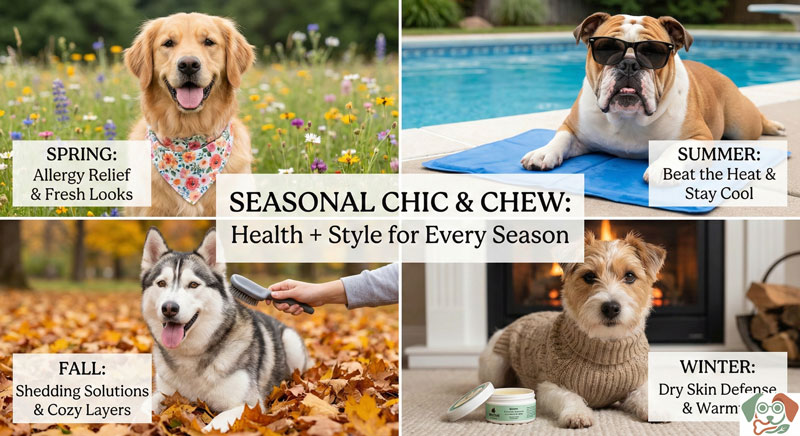
Spring Overheating Warning Signs: Prevent Dry Skin While Wearing a Bandana
Meta description: Learn spring overheating warning signs and tips to Prevent dry skin while your dog wears a bandana.
Quick Summary
- Spring heat can stress dogs, especially with a snug or thick bandana.
- Use breathable fabrics, loose fits, and regular breaks to prevent overheating.
- Keep water handy, groom regularly, and adjust outdoor routines for your space (apartment vs. suburban).
- If you notice worrisome signs, call your vet for guidance.
Why This Matters for Your Dog
Dogs don’t sweat like people. They pant to regulate temperature, and dry skin can flare when heat rises or when accessories trap heat. A bandana can be cute, but it should be breathable, not tight, and worn in a way that supports comfort. With simple changes, you can help your dog stay cool, hydrated, and happy during spring—whether you live in a sunny apartment or a leafy suburb.
Common Causes
- Bandana fabric and fit: Heavy or tight fabrics trap heat and rub the skin.
- Warm days plus sun: Direct sun and little shade raise body temperature quickly.
- Dry indoor air: Indoor cooling or heating can dry skin, especially near vents.
- Dehydration risk: Dogs drink less when busy with walks or parks; thirst shows up as dry gums or lethargy.
- Skin irritation from friction: A bandana rubbing or bunching can irritate skin and worsen dryness.
- Seasonal changes: More outdoor time means more exposure to wind, sun, and allergens that can dry skin.
Step-by-Step What To Do
1) Start with a quick daily check
– Look for signs of overheating: fast panting, heavy drool, glassy or red eyes, or restlessness.
– Check the skin around the bandana: is it red, irritated, or sweaty under the fabric?
– Feel the nose and gums: dry or tacky moisture can indicate dehydration.
2) Choose breathable bandana and a safe fit
– Pick cotton or other breathable fabrics; avoid slick synthetics that trap heat.
– Tie loosely enough to allow air flow; you should be able to fit two fingers between bandana and neck.
– Use a bandana for short periods in heat, and remove during peak sun or high humidity.
3) Build a seasonally friendly routine
– If you live in an apartment: plan outdoor time in the cooler early morning or late evening; bring water and a shade mat.
– If you live in a suburban home: offer shaded yard time, a fan or breeze near windows, and breaks in the shade during warm afternoons.
– Crate or cozy spot: provide cool, well-ventilated rest areas after outdoor sessions.
4) Hydration and cooling fixes
– Offer fresh water before, during, and after outdoor time. A small splash of water on the muzzle can help for short cooling breaks.
– Consider a light, dog-safe cooling bandana or a damp washcloth on very hot days (avoid cold water shock).
– If your dog loves ice, add a few ice cubes to the water to encourage drinking.
5) Grooming and skin care
– Brush regularly to remove loose fur and improve skin airflow.
– Bathe with a mild, dog-safe shampoo when needed; avoid human lotions or oils on the skin.
– After bathing, dry thoroughly and apply a vet-approved dog-safe moisturizer only if advised by your vet.
6) Environment and weather tweaks
– Use a room humidifier or place a fan near the dog’s resting area to prevent overly dry skin inside.
– Schedule park trips for cooler parts of the day; watch for signs of overheating in sunlit dog parks.
– In apartments, use window shades and create a cool-down routine after outdoor play.
7) Plan for different living situations
– Apartment living: shorter, more frequent outdoor breaks; portable shade, water bottle, and a cooling mat.
– Suburban homes: a routine that includes shaded yard time, a dip in a shallow kiddie pool if approved by your vet, and regular vet check-ins for skin health.
8) Easy bandana care plan
– Remove the bandana if your dog shows signs of irritation or overheating.
– Launder weekly with a mild detergent; ensure it’s fully dry before reuse to prevent mold or mildew on skin.
– Rotate fabrics to prevent skin irritation from repeated use in one area.
Mistakes to Avoid
- Keeping the bandana on for long stretches in heat or humidity.
- Using a bandana that fits too tightly or rubs on the skin.
- Assuming “dry skin” means not needing grooming; regular brushing helps.
- Ignoring early overheating signs; catch them before they escalate.
- Using human skin products on dogs or applying oils without veterinary guidance.
- Skipping water breaks or shade during outdoor activities.
When to Call a Vet or Certified Professional
- Signs of overheating persist: unusually fast panting that doesn’t slow with rest, collapse, confusion, or vomiting.
- Skin around the neck is very red, blistered, or raw, or you notice persistent dry patches not improving with home care.
- Your dog seems disoriented, has dizziness, or refuses to drink despite dehydration cues.
- Any change in appetite, energy, or bowel habits accompanies skin or heat-related concerns.
Note: This post offers general safety tips. It is not medical advice. If you spot concerning symptoms, contact your veterinarian promptly.
FAQs
- Can a bandana cause overheating? Yes, if it’s tight or made of non-breathable fabric. Choose breathable materials and ensure a loose fit, especially on hot days.
- How often should I wash the bandana? About once a week, or more often if it gets dirty after outdoor play.
- What fabrics are Best for spring? Cotton or cotton-blend fabrics are typically breathable and gentle on dog skin.
- How can I test fit safely? Tie, then check two fingers fit between fabric and neck; adjust if it feels tight or wet from sweat.
- How do I know if my dog needs more shade or water? Consistently watch for heavy panting, red gums, limp energy, or refusal to drink. If any of these occur, offer water and make a cooling plan, then consult your vet if signs persist.
- Are cooling bandanas safe? Some are, but those with safe, dog-specific materials and instructions can help. Always supervise and remove if dog shows discomfort.
If you’re a first-time bandana wearer, start slowly. Introduce it for short periods, always pair with water and shade, and monitor skin and overall comfort. With mindful choices—breathable fabrics, proper fit, and a flexible daily routine—you can enjoy the bright days of spring while keeping your dog’s skin healthy and comfortable.