
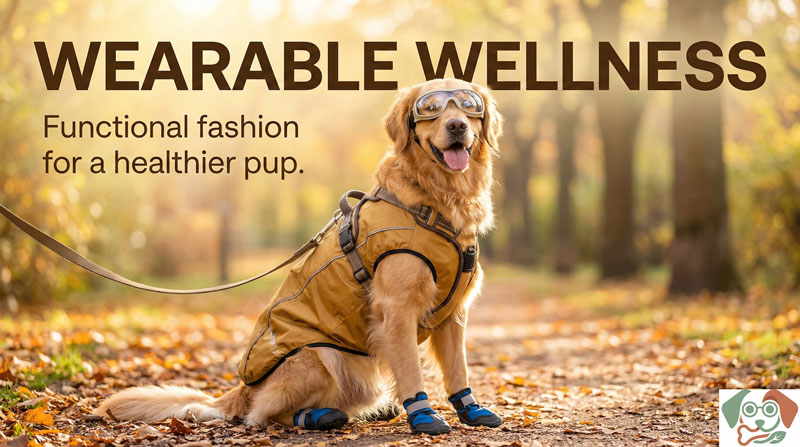
Booties 101: Prevent matting on pavement and keep the outfit on point
Meta description: Protect paws from hot pavement and matting with dog booties—practical, beginner-friendly tips for U.S. dog owners.
Quick Summary
- Dog booties protect paw pads from pavement heat, grit, and salts that cause matting and irritation.
- Fit matters: measure paws, pick soft or hard-soled styles, and test indoors first.
- Use a calm, reward-based approach to get your dog used to booties.
- Pair booties with regular paw checks, gentle grooming, and crate training for daily life in apartments or suburbs.
- Safe driving, parks, and vet visits are easier when paws stay comfortable.
Why This Matters for Your Dog
From city sidewalks to suburban sidewalks, paws take a beating on concrete. Hot pavement can burn paw pads in seconds, while sand, grit, and street salt mix with fur to create matted hair around the toes. Booties give your dog a protective layer without changing their daily routine. They also help dogs with longer coats or hair between the pads stay cleaner. A small investment in booties can reduce cleaning time after walks and keep outfits—from harness to hoodie—looking neat for photos, dog parks, or vet visits. And when you approach booties with patience and reward-based training, your dog learns a new routine without stress.
Common Causes
- Pavement heat and friction that dry and irritate pads.
- Grit, sand, and street salts that cling to fur and mat hair between pads.
- Wet grass or rain that makes fur cling and mat easily.
- Long hair around paws that mats with dirt and moisture.
- Slippery floors at home or in a car that tempt slipping or rubbing.
Step-by-Step What To Do
1) Pick the right booties
– Soft-soled booties work well for most dogs; hard-shell options are good for rough terrain.
– Look for fabric with a non-slip sole, reflective straps, and a secure closure.
– Consider different sizes for front and back paws if needed.
2) Measure and fit
– Use a ruler or tape measure to get paw width and length. Measure when the dog is standing.
– Compare measurements to the bootie size chart. If you’re between sizes, choose the larger and adjust with ankle movement.
– Check for a snug fit with a two-finger rule: you should be able to slide two fingers between the boot and the leg, not more.
– Inspect for rubbing points; if you see red skin after short wear, adjust size or style.
3) Break-in indoors
– Start indoors for 5–10 minutes, then gradually increase wear time across several days.
– Use positive reinforcement: praise, treats, and a favorite toy while they wear the booties.
– Practice simple cues like “sit,” “stay,” or “heel” with booties on to reinforce calm presence.
4) First outdoor trial
– Choose a cool, calm day for your first outdoor walk—avoid peak heat.
– Bring a towel to wipe paws and booties if they get sandy or muddy.
– Check paws every 10–15 minutes; if you notice rubbing, take a break and readjust.
– If a ground temperature test (press your palm on the sidewalk) feels too hot, shorten the walk or skip booties for that day.
5) Grooming and care
– Trim fur around the paw pads to reduce matting and snagging on booties.
– After walks, wipe paws and booties to remove dirt and moisture.
– Let the dog rest after wearing booties; remove them before long crib-time or car rides unless approved by your vet.
– Clean and air-dry booties between uses; store in a dry place.
6) Everyday use and routines
– Apartment life: booties help protect floors, especially with long-nosed breeds or dogs that love to explore carpeted routes.
– Suburban life: booties shield paws when walking on hot driveways, gravel, or salt in winter.
– Crate training: use booties when practicing crate time to help your dog learn to settle with equipment on.
– Vet visits and parks: booties reduce debris between pads and keep coats cleaner for photos or a quick check-up.
Mistakes to Avoid
- Skipping measurement and guessing size. Boots that are too loose rub or fall off; too tight restrict movement.
- Not breaking them in. Sudden wear can cause fear or resistance.
- Wearing booties for too long at first. Let the dog pace their comfort; never force for long periods.
- Forgetting to wipe paws and dry booties after use. Dampness can cause skin irritation.
- Using booties as a substitute for proper paw care. Boots supplement paw health, not replace grooming or vet care.
When to Call a Vet or Certified Professional
- If you notice raw spots, swelling, bleeding, or persistent limping after wearing booties.
- If the paws stay red or irritated after several days of use or you see unusual discharge.
- If you have concerns about allergies, skin conditions, or paw dermatitis.
- A veterinarian or certified trainer can help with proper fit, grooming tips, and humane training plans.
Note: This article provides general guidance. It is not medical advice. If you have health concerns, contact your vet.
FAQs
-
Do booties prevent matting on pavement?
Yes. They create a barrier between the paw hairs and gritty pavement, reducing friction that can lead to mats and irritation. -
How do I measure my dog’s paw?
Measure width (across the paw) and length (from toe pad to heel). Compare to the bootie size chart and consider a slightly larger size if you’re between sizes. -
What material is best for booties?
Soft, breathable fabrics are easier for beginners. Look for non-slip soles and adjustable closures. Some dogs prefer lightweight mesh, others prefer fabric with a little padding. -
Can puppies wear booties?
Yes, with careful fitting and a slow break-in. Start with very short sessions and reward calm behavior. -
Will booties stay on at home or in the yard?
They can stay on in safe, enclosed spaces or during supervised outdoor time. Use a gentle approach to help your dog accept them. -
How often should I replace booties?
Replace worn-out soles or torn fabric promptly to maintain protection and comfort. -
Are booties appropriate for all dogs?
Most dogs benefit, especially those with long coats, dogs in hot or cold climates, or dogs who are prone to paw irritation. If your dog licks or chews booties excessively, pause wearing and consult a trainer or vet. -
How do I transition from indoor to outdoor booties?
Start indoors, then progress to a calm, quiet outdoor area. Increase wear time gradually and keep sessions reward-based and short at first. -
Can booties replace paw grooming?
Booties help with protection, but regular grooming—trimming fur around the pads, checking for cuts, and cleaning between pads—is essential for paw health. -
Is there a difference between dog shoes and booties?
Terminology varies, but both are designed to protect paws. Look for fit, sole grip, and comfort rather than branding.
In everyday life—whether you’re apartment-dwelling with quick strolls to the mailbox, or you’re suburban with longer park trips—booties can become a simple, practical part of your dog’s routine. Start small, stay gentle and reward-based, and you’ll keep your dog’s paws healthy while keeping your outfits and walks on point.