
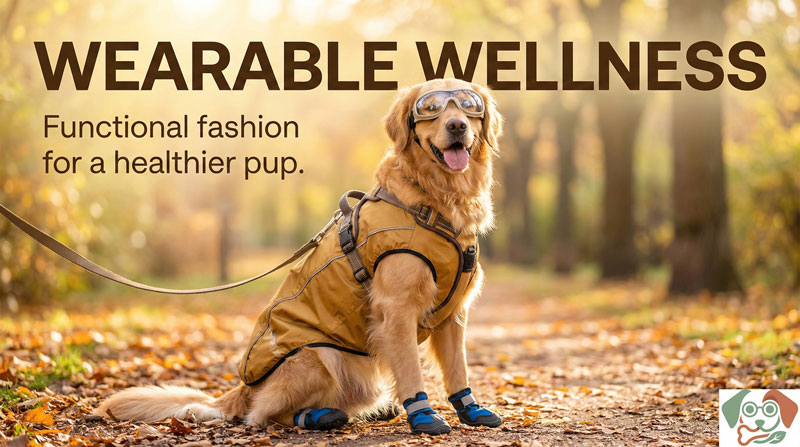
Meta Description: Learn how dog booties help prevent gas and bloating on hot pavement while keeping outfits on point. Simple, beginner-friendly tips.
Quick Summary
- Booties protect paws from hot pavement, sharp objects, and rough terrain.
- A calm, gradual introduction makes wearing booties easy for most dogs.
- Pair booties with a dog-friendly routine to reduce stress, which can affect digestion.
- Fit, break-in time, and daily care matter as much as style.
- If GI symptoms persist, consult your veterinarian.
Why This Matters for Your Dog
Summer heat and sunny sidewalks can burn paws and ruffle a dog’s routine. When a dog is uncomfortable on pavement, they may pant more, pause to sniff, or gulp air during walks. All of these factors can contribute to stomach upset or gas over time. Booties help your dog stay comfortable, focused, and safe while you’re out and about. And yes, they can look great, too—so you can keep your pet’s style on point while you stay practical and patient.
Healthy habits at home matter, too. A steady daily routine, mindful feeding, and smart exercise timing can reduce gas and bloating risks. This guide gives beginner-friendly steps for apartment and suburban households, crate training, vet visits, and dog park days—plus quick Tips for choosing and using booties that fit well and feel right for your dog.
Common Causes (Key Factors)
- Hot pavement and rough surfaces. They can irritate paws and increase panting, leading to stress or swallowing air during walks.
- Stressed or hurried walks. When dogs rush or get anxious, they may gulp air or eat too fast after exercise.
- Diet and feeding patterns. Fast eating, high-fiber foods, or new treats can cause gas if your dog’s tummy isn’t adjusting.
- Exercise timing. Exercising right after meals can contribute to bloating, especially in some breeds.
- Inconsistent routine. Sudden schedule changes or frequent crate-time shifts can stress dogs and impact digestion.
- Seasonal factors. Humidity, heat, and dry air can affect gut comfort.
Step-by-Step What To Do
1) Start with the right booties
– Measure accurately: Each paw is unique. Use a soft tape to measure width and length, then compare to size charts. If you’re between sizes, choose the larger for comfort.
– Choose the right material: Look for soft, breathable fabric with a non-slip sole. Reflective trim helps at dawn or dusk. Easy-strap or Velcro closures make fit adjustments quick.
– Check grip and protection: Boots should protect the paw pads from heat and sharp objects while allowing natural toe movement.
2) Break them in, gradually
– Inside practice: Put on one boot at a time for 3–5 minutes, with lots of praise and a tasty reward. Remove and repeat.
– Short outdoor trials: Increase to 5–10 minutes on a quiet porch or in your yard. If your dog seems uneasy, take a break and try again later.
– Positive associations: Use high-value treats and a fun cue like “boots on!” to create a calm, rewarding routine.
3) Fit properly and check often
– Fit test: Boots should be snug but not tight. You should be able to insert a finger between the boot and your dog’s leg.
– Watch for rubbing: If you see redness, sores, or limping, reassess the fit or switch to a different boot.
4) Build a balanced walking routine
– Start cool: Walk early in the morning or late evening when pavement heat is lower.
– Short, frequent outings: Begin with 10–15 minutes, then add a few minutes each week as your dog adapts.
– Pace control: Let your dog set the pace. If they sprint from excitement, pause to breathe and settle before continuing.
– Hydration: Offer water before and after walks. Don’t force drinks mid-walk.
5) Pair booties with digestive-friendly habits
– Feeding schedule: Feed smaller, more frequent meals instead of one large meal. Allow 1–2 hours before strenuous activity after meals.
– Slow eating: Use a puzzle feeder or place a few kibble pieces separately to encourage slow swallowing.
– Gentle treats: Choose easily digestible treats and avoid new foods in the hours around walks.
6) Training and safety during daily routines
– Apartment days: Practice booties inside, then in a tiny hallway, then a quiet balcony or patio area. Use baby gates to limit hallway crowds until your dog is comfortable.
– Suburban days: On sidewalks, test pacing near other dogs and people. Reward calm behavior with praise and small treats.
– Crate training: If your dog feels safer in a crate at home, keep short bootie sessions near the crate to reinforce calmness and a positive association.
– Dog parks: Check park rules about footwear. Keep experiences positive with short visits, calm walking, and immediate rewards for good focus. If your dog starts to pant heavily or look stressed, end the session early.
7) Care and maintenance
– Clean boots after each use to remove dirt and hair. Dry thoroughly to Prevent odor and material wear.
– Inspect paws after walks for cuts, chafing, or debris. Gently dry between toes if moisture builds up.
– Rotate sets: Having two or more booties allows you to rotate and dry them between uses.
8) Vet and professional checks
– Regular check-ins: Bring up any persistent gas, bloating, vomiting, or weight changes at your dog’s annual exam or sooner if you notice a new pattern.
– GI concerns: If gas/bloating is frequent, your vet can help identify food sensitivities, allergies, or underlying conditions. This post avoids medical dosing; always follow your vet’s guidance.
Mistakes to Avoid
- Forcing booties too soon: Rushing break-in can create fear or resistance.
- Poor fit: Too tight or too loose boots can cause blisters or trips.
- Ignoring heat cues: Not checking pavement color or heat with the back of your hand can risk paw burns.
- Feasting before long walks: A large meal just before exercise can worsen gas and bloating.
- Skipping hydration: Dehydration can aggravate GI upset and overall discomfort.
- Overlooking signs of distress: If your dog shows persistent whining, limping, or extreme panting, pause and reassess.
When to Call a Vet or Certified Professional
- Sudden, persistent swelling of the abdomen, vomiting with repeated attempts, or inability to pass gas.
- A noticeably distended abdomen with restlessness or discomfort.
- Weight loss, blood in stool, or repeated episodes of loose stools.
- If you notice any unusual behavior around eating, drinking, or balling up on walks.
- Note: This guide is not a diagnostic tool. If you’re ever unsure, contact your veterinarian. A professional can perform a clinical exam and provide guidance specific to your dog.
FAQs
- Do booties really help with gas or bloating? Booties mainly help with paw comfort, heat protection, and better walk focus. Indirectly, they can support calmer walks that may reduce stress-related swallowing or hurried eating. They are not a cure for GI disease.
- How do I measure my dog’s paws? Measure width (across the paw) and length (from heel to toe). Compare measurements to the booties’ size chart. If you’re between sizes, choose the larger pair for comfort.
- Are booties appropriate for small dogs or senior dogs? Yes. Start with gentle breaks and shorter sessions. Some small or older dogs may need more gradual acclimation or soft, flexible materials.
- How long should my dog wear booties each day? Begin with 5–10 minutes per session and gradually extend as comfort increases. Always monitor for rubbing or overheating.
- Can booties replace a paw massage or check? Booties are a supplement to care, not a substitute. Regular paw checks, nail trims, and skin care remain essential.
- What about cold weather? Booties can protect paws from frost, salt, and ice. Look for insulated options and ensure proper fit.
If you’re a first-time bootie user, remember: patience, gradual steps, and positive reinforcement are your best tools. With gentle practice and a plan for safe walks, you can keep your dog comfortable, confident, and stylish—without sacrificing health or safety.
Title: Booties 101: Prevent gas and bloating on pavement and keep the outfit on point