
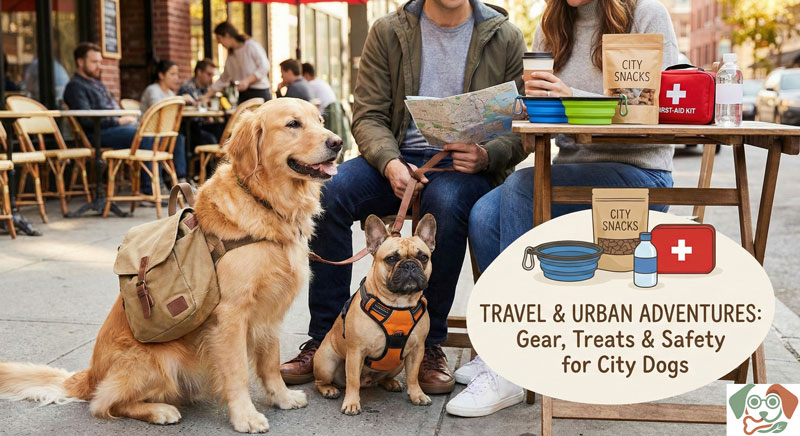
Weekend market walks: Leash plus reward plan for bad breath and loose-leash skills
Quick Summary
- Use a leash-plus-reward plan to tackle two common dog needs: fresh breath and loose-leash walking.
- At home, prep with dental care, a simple crate routine, and a short training plan you can repeat on weekend market trips.
- When you’re in the market, keep sessions short, positive, and reward-based to build good habits.
- Adjust for apartment living or suburban yards, and know when to bring in a vet or trainer.
- Safe, humane methods only—no shaming, no punishment, lots of praise and treats.
Why This Matters for Your Dog
Good breath and calm leash manners improve daily life. Fresh breath helps your dog stay comfortable during cuddles and face-to-face moments on market strolls. Loose-leash walking reduces stress for you and your pup, lowers the risk of injuries, and makes weekend trips to the market enjoyable rather than chaotic. A reward-based plan strengthens trust, supports a strong bond, and sets up routines that you can repeat every weekend and beyond.
Common Causes (Key Factors)
Bad breath:
– Dental plaque buildup, gum inflammation, or dental disease.
– Diets that include strong-smelling treats or spoiled food.
– Mouth moisture issues or chewing on foul items.
Loose-leash skills:
– Pulling from excitement or frustration.
– Inadequate leash training or easily distracted dogs.
– Wrong equipment (some dogs pull more with certain harnesses).
To help both problems, you’ll blend at-home care with short, fun market-walk practice.
Step-by-Step What To Do
1) At-home prep (30 minutes total, a few days before a market trip)
– Brush teeth or offer Dental Chews as directed by your vet (start slowly; reward calm behavior).
– Do a short crate routine: a 5–10 minute crate break before leaving the house helps your dog settle.
– Gather gear: 6-foot leash, non-retractable if possible, a front-clip harness if pulling is a concern, and tasty, small training treats.
– Choose a cue like “Watch me” or “Let’s go” to mark focus. Practice in small rooms with short durations.
2) Market walk plan (on the weekend)
– Before you enter the market, do 2–3 quick practice sessions at home to reset attention.
– In the market, keep walks short and focused: 5–8 minutes of walking with 2–3 deliberate training moments.
– Use rewards to reinforce loose leash: each time your dog walks with you beside your hip with slack in the leash, mark “Yes!” and treat.
– If you notice pulling or sniffing distractions, stop and redirect with a treat lure or a cue to “watch me,” then praise and reward when the leash stays slack.
– End on a good note: a brief, 1–2 minute praise-and-treat pause near a familiar spot before leaving.
3) Practical apartment vs. suburban routines
– Apartment: practice indoors first, then short hallway walks outside. Use a chew toy or dental treat to keep breath fresh between meals. Carry small treats for quick rewards during the market visit.
– Suburban: plan a short practice walk around your block before entering the market. Use a timed routine—same steps, same cues—so your dog learns what’s expected.
4) Crate and safety during trips
– If you use crate time, give a calm 5–10 minute period before each weekend market trip.
– Bring a collapsible mat or towel so your dog can rest when you take a break from walking.
5) Vet or professional support
– If bad breath persists despite home dental care, schedule a veterinary check to rule out dental disease. If loose-leash training stalls, a positive-reinforcement trainer or certified behaviorist can help.
Mistakes to Avoid
- Yanking or scolding for pulling; it worsens tension and fear.
- Using retractable leashes for training; they’re hard to control in busy markets.
- Overfeeding treats during training; keep treats small and use frequent, tiny rewards.
- Skipping dental care or letting breath issues go untreated.
- Expecting dramatic changes overnight; progress takes consistency.
When to Call a Vet or Certified Professional
- Persistent bad breath with other symptoms (loss of appetite, drooling, bleeding gums) or if you suspect dental disease.
- Signs of pain, mobility issues, or mouth injury.
- Training stalls despite consistent, humane efforts; a trainer can tailor a plan to your dog.
- If your dog shows aggression or reactivity, seek a certified professional who uses positive reinforcement methods.
Vet disclaimer: This post is for general guidance only. For health concerns or serious symptoms, consult your veterinarian.
FAQs
-
Q: Will this work for puppies?
A: Yes. Start small, keep sessions short, and increase gradually as your puppy learns. Use abundant praise and gentle guidance. -
Q: How long before I see improvement?
A: Consistency matters. Expect a few weeks of regular practice to notice looser leashes and better breath. Short, daily sessions often beat long, infrequent ones. -
Q: What if my dog is reactive at markets?
A: Focus on distance, rewards, and predictable routines. A trainer can help you set up a plan that minimizes triggers and keeps training humane and positive. -
Q: Can I use treats I’m already giving at home?
A: Yes, but keep portions small and use treats that are appropriate for training. Use a mix of high-value rewards for doors and busy moments. -
Q: Is a vet visit necessary for better breath?
A: Not always, but if breath remains very foul after dental home care, see your vet to rule out dental or health issues.
If you’re ready, start with a simple home prep tonight and a 5–8 minute market walk this weekend. Small steps, steady rewards, and a calm, friendly approach can make weekend market walks enjoyable for both you and your dog.