
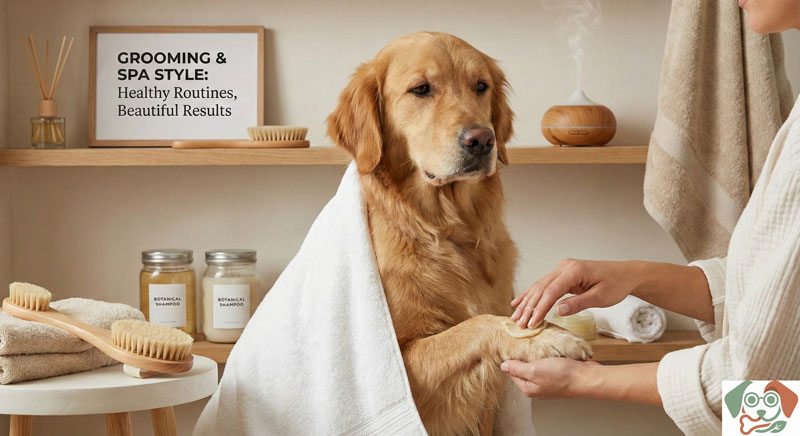
The 2024 spa day checklist: Reduce slippery paws and boost a shinier coat
Meta description: A friendly home spa day plan for dogs to curb slippery paws and boost coat shine.
Quick Summary
- Do a calm paw and coat check, then set up a dedicated, cozy spa space.
- Brush, trim nails, and inspect paw pads. Use a paw balm for traction.
- Bathe with dog-safe shampoo, rinse well, then dry thoroughly.
- Add a light conditioner if your dog has a longer coat; finish with a protective environment.
- Keep non-slip mats in high-traffic areas and consider crate downtime after grooming.
- Tailor the routine to your home (apartment vs. suburban) and your dog’s needs.
Why This Matters for Your Dog
A good spa day reduces slips on slick floors and makes the coat look shinier and healthier. That means more confident steps for your dog and fewer slips on wood or tile. Regular, gentle grooming supports skin health, distributes natural oils, and helps you spot issues early. The routine also fits everyday life for many U.S. households—whether you live in an apartment with little space or in a suburban home with a yard and a quiet grooming corner.
Key Factors
- Floor surface: Wood or tile can be slippery; add non-slip mats or rugs.
- Coat type: Short coats need regular brushing; longer coats benefit from detangling and conditioning.
- Paws and pads: Dry pads can slip; keep them moisturized and clean.
- Baths and shampoos: Use dog-safe products; avoid human shampoo and hot water.
- Hydration and nutrition: A balanced diet supports coat shine and skin health.
- Routine and calm handling: Short, positive sessions are more effective than long, stressful ones.
Step-by-Step What To Do
1) Pick a calm day and a comfortable space. Gather towels, brushes, nail clippers, paw balm, dog-safe shampoo, conditioner (optional), a non-slip mat, and a small fan or a quiet dryer on low heat.
2) Inspect everything first. Look for cuts, redness, dryness, loose fur, or objects between toes. If you see anything concerning, pause and call your vet.
3) Wipe and dry paws after walks. Use dog wipes or a damp cloth, then dry between toes completely.
4) Trim nails safely. If you’re unsure, trim a little at a time and stop before you touch the quick. If nails are tough, consider a pro groomer’s visit.
5) Brush your dog’s coat. Start with a gentle brush that suits your coat type, then switch to a finer brush to finish. This reduces shedding and improves shine.
6) Bathe with care. Use lukewarm water and a dog-safe shampoo. Massage gently from neck to tail, avoiding eyes and ears.
7) Rinse thoroughly. Any leftover soap can irritate skin, so rinse well. Slightly cool water is best.
8) Condition if needed. For longer coats, a light conditioner helps detangle and adds luster. Rinse well again.
9) Dry thoroughly. Pat dry with towels first, then use a low-heat, cool-dry setting or a towel-and-air dry. A warm bath towel around the neck can keep your dog comfy.
10) Moisturize paw pads. Apply a dog-safe paw balm or wax to pads for moisture and traction. This helps reduce slipping on slick floors.
11) Create traction at home. Place non-slip mats in kitchens and bathrooms; add area rugs on wood floors. In apartments, designate a small “spa corner” with towels and mats.
12) Reward and rest. End with a tasty treat, some gentle brushing, and a calm cuddle. Consider crate time after grooming to help your dog decompress.
13) Plan the next spa day. Frequency depends on coat and lifestyle—monthly is common for many dogs, or every 6–8 weeks for longer coats.
Mistakes to Avoid
- Over-bathing or using human shampoo. It can dry skin and dull coats.
- Skipping the rinse or not drying the paws fully; moisture can cause irritation.
- Using a hot dryer or high heat; it can damage fur and skin.
- Pulling or tugging on mats. Detangle slowly with the right tool, or seek help.
- Ignoring nails that are too long or pads that are dry; both increase slipping risk.
- Skipping the calm routine. Rushing makes dogs tense and less cooperative.
When to Call a Vet or Certified Professional
- Redness, swelling, or signs of infection around paws or skin.
- Persistent itching, hair loss, or new rashes.
- Lameness, limping, or obvious pain during handling.
- Wounds, cracks, or unusual discharge.
- If you’re unsure about a product, shampoo, or a grooming approach.
Note: This guide offers grooming and safety tips. It is not medical advice. If health concerns arise, contact your veterinarian for guidance.
FAQs
- How often should I do a spa day for my dog?
-
It depends on coat type, lifestyle, and activity. Short-coated dogs may benefit from monthly brushing and a bath every 6–8 weeks; longer coats may require more frequent detangling and conditioning. Tailor it to your dog’s comfort.
-
Can I use coconut oil or other home remedies on paws?
-
Small, dog-safe applications can be okay in moderation. Check with your vet if your dog has allergies or skin sensitivities.
-
Are booties or paw balm safe for slippery floors?
-
Yes. Paw balms help moisturize and improve traction. Booties are a good option for dogs who slip or dislike slick floors, especially in winter.
-
How can I trim nails without causing stress?
-
Use a calm, positive approach, offer treats, and take small trims. If nerves or nails are very curved, ask a pro groomer or vet for a quick lesson or service.
-
Will spa day reduce shedding?
-
Regular brushing helps remove loose fur and distribute oils, which can reduce visible shedding. It won’t eliminate shedding entirely, but it improves coat health and appearance.
-
My dog dislikes baths. Any tips?
- Start with short sessions, reward calm behavior, use lukewarm water, and keep the experience positive. If fear persists, consider professional grooming in a familiar setting.