
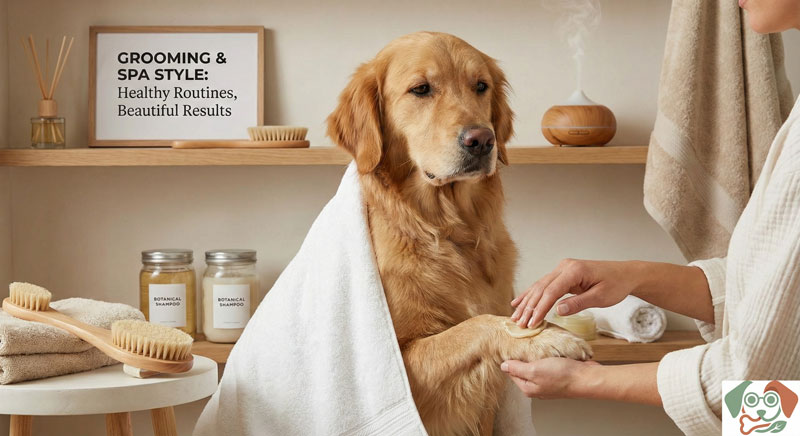
The quick 15-minute groom: Reduce dry skin and style a clean martingale collar look
Meta description: A fast 15-minute groom plan to ease dry skin and neatly style a martingale collar for everyday American dog owners.
Quick Summary
This is a fast, beginner-friendly groom you can do at home in 15 minutes. You’ll brush to ease dry skin, give a quick skin-and-coat check, and tidy up a martingale collar so it sits clean and flat. It’s easy to fit into daily routines—whether you live in an apartment or a suburban home, with a dog that’s crate-trained or plays at the park. Use gentle, dog-safe products and reward-based methods, and you’ll build a pleasant grooming habit your dog looks forward to.
Why This Matters for Your Dog
Healthy skin and a soft, shiny coat feel better to your dog. Regular, gentle brushing distributes natural oils, reduces itch, and helps catch dryness early. A neat martingale collar look isn’t just about style; a properly fitted collar sits flat and comfortable, reducing rubbing and skin irritation. Short, consistent grooming sessions also create calm, positive experiences that support crate training, regular walks, and safe trips to the vet or dog parks.
Common Causes (Key Factors)
- Dry indoor air, especially in winter or with central heating.
- Harsh shampoos or bathing too often.
- Low-quality or inappropriate diets affecting skin health.
- Allergies or skin conditions (canines can experience dryness, itching, or flakes).
- Coat type and seasonal shedding.
- Wearing a dirty or twisted collar that irritates the neck area.
If you notice persistent redness, sores, heavy itching, or hair loss, have a quick chat with your veterinarian. This routine is for maintenance, not diagnosis.
Step-by-Step What To Do
1) Gather supplies and set a timer
– Soft-bristle brush for most coats, or a comb for longer coats.
– Dog-safe, mild shampoo and conditioner (optional).
– Clean, damp cloth or wipes for quick spot-cleaning.
– Towel and, if your dog tolerates it, a low-heat blow-drier.
– A clean martingale collar (and a spare if you want a quick swap).
– Treats for rewards.
Tip: In an apartment, pick a small, cozy grooming spot near a crate or mat. In a suburban home, you can use a kitchen or laundry area with a non-slip mat. Keep your dog on a leash or in a calm crate before you start to reduce wiggles.
2) Quick coat and skin check (1–2 minutes)
– Gently feel the coat from neck to tail. Look for flakes, redness, or irritated patches.
– Check ears for wax buildup or odor (do not insert objects into the ear canal).
– Note any rough patches or mats that need extra attention.
3) Gentle brushing (4 minutes)
– Start with a light stroke to loosen loose hair.
– Use a brush suited to your dog’s coat: a bristle brush for short coats, a slicker for typical medium coats, or a detangling tool for longer fur.
– Brush in the direction of hair growth. If you find a small tangle, don’t yank—work it out gently with a detangler spray or a comb.
– Finish with a quick pass around the neck and chest where dry skin can show.
4) Skin care and light massage (2 minutes)
– With clean hands, give your dog a gentle circular massage across the back, shoulders, and neck. This helps distribute natural oils and gives you a chance to notice any skin issues early.
– If you see dryness or flakiness during the massage, you can apply a tiny amount of dog-safe conditioner or a vet-approved skin lotion, following product directions.
5) Quick bath or spot-cleaning if needed (3 minutes)
– If your dog has dirt on the back or legs, do a quick wash with a small amount of canine shampoo. Dilute as directed on the bottle and avoid eyes and ears.
– Rinse thoroughly with lukewarm water. Squeeze out excess moisture with a towel.
– If your dog is sensitive to baths, you can skip a full wash and do a wipe-down with a damp cloth, then brush again to refresh the coat.
6) Drying and second brush (2 minutes)
– Gently towel-dry and, if tolerated, use a low-heat blow-drier on a cool setting for a short burst. Keep the dryer moving and don’t hold it too close.
– Give the coat a quick brush again to blend any damp spots and distribute oils.
7) Martingale collar care and look (1 minute)
– Wipe the collar with a damp cloth to remove loose hair and dirt.
– Inspect the martingale loop for smooth operation and no frayed edges; replace if worn.
– Fit check: place two fingers between the collar and your dog’s neck when the collar is on. This keeps it snug enough to prevent slipping but comfortable and safe.
– For a neat look, ensure the collar lies flat against the neck and that any tags sit to one side, not snagging fur. If your dog’s fur is long, you can brush the fur around the collar area to keep it tidy.
8) Praise, rewards, and crate-time wrap-up (1 minute)
– End with a few treats and a calm cue like “all done” to reinforce a positive routine.
– If you’re crate-training, you can place your dog back in the crate with a safe toy or a treat for a short cooldown after grooming.
Mistakes to Avoid
- Skipping brushing or brushing too aggressively. Gentle, frequent strokes beat harsh scrubbing.
- Using human shampoo, soaps, or products not designed for dogs.
- Over-bathing. Most dogs don’t need daily baths; 1–2 times a month is plenty unless advised by a vet.
- Neglecting to dry the coat completely, especially in cold weather.
- Twisting the martingale or wearing a collar that’s too tight or too loose.
- Ignoring skin changes like redness, itching, or sores—see a vet if these appear.
When to Call a Vet or Certified Professional
- Persistent dry skin despite home grooming and a good diet.
- Redness, swelling, sores, hot spots, or hair loss.
- Itching that seems painful or leads to rubbing and wearing.
- Signs of infection or unusual odor from ears or skin.
- If you’re unsure about product safety, coat care, or collar fit.
Note: This post provides general guidance. If your dog has a medical condition or allergies, consult your veterinarian before changing grooming routines or products.
FAQs
-
Can I do this every day?
You can do a quick brush daily and a longer grooming session several times a week. Keep baths infrequent unless advised by your vet. Use rewards and keep sessions positive. -
My dog hates baths. Any alternatives?
Spot-clean with a damp cloth or waterless dog shampoo. Consider pairing sessions with treats and short, gradual conditioning to reduce stress. -
What if my dog has sensitive skin?
Use a hypoallergenic, fragrance-free dog shampoo and test any product on a small area first. Don’t apply too much lotion; follow product instructions and consult a vet if issues persist. -
How should I choose and fit a martingale collar?
Look for a collar with secure hardware and a smooth, well-made martingale loop. Fit it so two fingers can slide between the neck and collar when fastened. Regularly check for wear and replace if needed. -
How often should I groom my dog?
Short- to medium-coat dogs benefit from brushing 2–3 times weekly and full grooming every 4–6 weeks, depending on fur length and activity. Long-haired dogs may need more frequent brushing to prevent mats. -
What about crate training and grooming routines?
Use grooming as a bonding, calm activity for crate training. Short sessions with rewards help your dog associate grooming with safety and comfort. Keep doors closed during grooming to prevent distractions if your dog is crib-crated or crate-trained. -
Is the collar safe for dog parks or walking?
A properly fitted martingale collar is a humane option to prevent slipping. Always supervise, avoid choking hazards, and ensure the collar fits well to prevent snagging on leash hardware or park equipment.
If you adopt these steps as a regular, friendly routine, you’ll help your dog feel comfortable, look neat, and stay calmer during grooming. A quick 15-minute groom can be a small daily act of care that adds up to a healthier coat, happier skin, and a more confident stroll with your best friend.